
Key Highlights
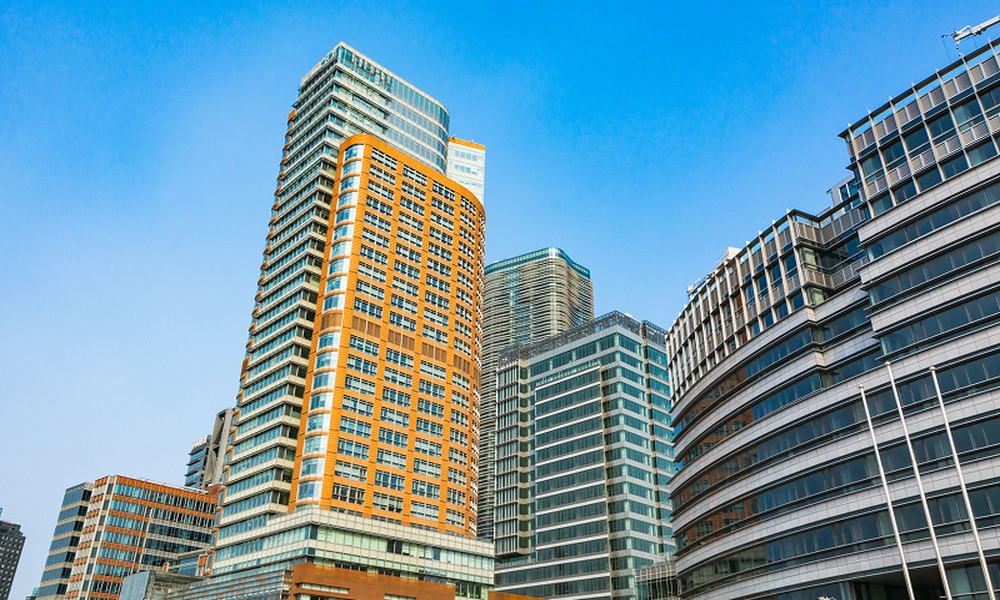
- Havelock Road serves as a bridge between Singapore’s historical warehouses and its modern skyscraper identity.
- Traditional architectural principles like Feng Shui continue to dictate layout and entry points in high-end developments.
- Communal spaces within these hotels reflect the regional “Kampong” spirit, encouraging social interaction among travellers.
Introduction
Architecture is a physical manifestation of a society’s values and history. In the heart of the city, the hotels on Havelock Road in Singapore stand as prime examples of how cultural norms dictate every detail from the lobby layout to the choice of textures in a guest room. Designers working in this precinct must navigate a complex set of expectations that include respecting local traditions while providing the global standards that modern travellers require.
The Historical Echo of the Warehouse District
The cultural norm of adaptive reuse encourages architects to retain the silhouette of these industrial giants. You will often notice high ceilings, exposed brickwork, and metal accents that pay homage to the labourers and merchants of the past. This design choice is a cultural commitment to preserving the memory of the city’s trade roots. Travellers often seek out these spaces because they offer a sense of place that a standard, cookie-cutter hotel cannot provide.
Feng Shui and the Flow of Energy
In Singapore, the ancient Chinese practice of Feng Shui is a deeply ingrained cultural norm that affects urban planning. When developers conceptualise hotels in Havelock Road in Singapore, they frequently consult with masters to ensure the building’s orientation promotes prosperity and well-being. The result is an atmosphere that feels naturally balanced and serene, providing a psychological sense of comfort that stems from centuries-old wisdom regarding the human relationship with space.
Reimagining the Kampong Spirit
Modern hotels in Havelock Road in Singapore often attempt to replicate the Kampong atmosphere within an urban high-rise setting. Designers achieve this by creating large, open-plan communal areas where guests and locals can mingle freely. Instead of closed-off, intimidating lobbies, you find living rooms and shared co-working spaces that encourage conversation. By integrating these social hubs, hotels serve as modern villages that facilitate the exchange of ideas and culture.
Materiality and the Use of Local Textures
Cultural norms also dictate the sensory experience of a hotel stay through the selection of materials. Designers often incorporate rattan, teakwood, and Peranakan-inspired tiles to ground the hotel in its Southeast Asian context. These materials are chosen because they resonate with the local climate and history. This focus on materiality ensures that the hotels in Havelock Road in Singapore feel authentic rather than artificial, bridging the gap between luxury and heritage.
Culinary Spaces as Design Anchors
The restaurant or cafe is frequently the central anchor of the property, often visible from the street to invite the public inside. The design of these spaces usually mimics the vibrancy of a local hawker centre but with a refined, upscale twist. Long communal tables, open kitchens, and vibrant decor are used to create an energetic environment. This architectural focus ensures that the dining experience is integrated into the guest’s stay, making it a highlight of their cultural immersion.
The Integration of Greenery and Biophilia
Singapore is famously known as a “City in a Garden,” and the cultural norm of living alongside nature is a mandatory element of modern design. Hotels in Havelock Road in Singapore often feature vertical gardens, rooftop terraces, and indoor plants that blur the line between the interior and exterior. Culturally, there is a strong emphasis on sustainability and environmental stewardship, which manifests in the use of natural light and energy-efficient systems.
Future Trends in Cultural Architecture
As the city continues to evolve, the cultural norms influencing design are becoming more global yet more specific. The goal is to create a space that feels like a curated gallery of the city itself. Furthermore, as digital nomadism becomes a cultural norm, the design of guest rooms is shifting to accommodate longer stays with better ergonomic setups and flexible layouts. The hotels that succeed in the future will be those that can adapt to these changing lifestyles while remaining firmly rooted in the rich, multi-cultural soil of Singaporean tradition.
Conclusion
The hotels on Havelock Road in Singapore are cultural vessels that hold the history, values, and aspirations of the city. By prioritising communal spaces and integrating natural elements, these establishments offer a stay that is both luxurious and deeply meaningful. Whether you are a business traveller or a tourist, understanding the cultural design of your accommodation adds a layer of appreciation to your journey. The marriage of traditional wisdom and modern innovation ensures that these hotels remain relevant and captivating in an ever-changing global landscape.
Enquire at InterContinental Singapore Robertson Quay to experience a sophisticated blend of contemporary design and local heritage during your next visit today.