
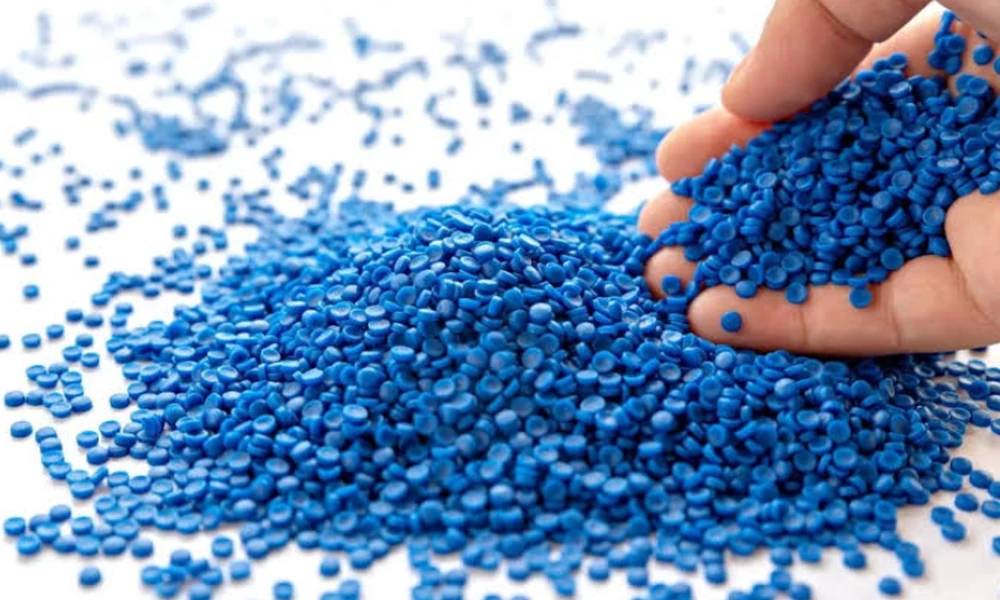
This flexibility of plastic can be seen in the contribution it makes to a large variety of useful household products and equipment. Their versatility starts before it even leaves the manufacturing floor or enters a shop. Materials are selected based on their strength, flexibility, surface, and durability. The right raw plastic materials can help to turn your ideas into reliable products. Polymers have unique properties, which provide some choice to the designer for difficult applications and necessary requirements. Production teams appreciate materials that are consistent during moulding, extrusion, and other processes. This knowledge allows businesses to confidently select each material to suit its applications.
Design Freedom
Plastic polymers provide designers the freedom to develop shapes that meet human necessities. Certain grades develop fine details, and others help to create flowing surfaces and movement. The use of texture and colour in products may also help to convey their purpose in a more defined way. Teams can demonstrate complex detail at various batches provided processing methods/techniques are adjusted appropriately. The versatility benefits the products, ranging from protective housings to lightweight products around houses. Creative ideas have a practical base through thoughtful material selection to deliver reliable products.
Everyday Strength
When handling and/or moving or exposing products to varying conditions during use, a major consideration is durability. Some polymers provide good resistance to impact that allows parts to resist knocks and bumps. Some offer rigidity in structures which do need to maintain their form in use. By selecting raw plastic materials, manufacturers can take into account all of the above factors. To ensure that the selected grades meet the requirements of their intended uses, they are tested and given specifications. Support products used for everyday handling and use.
Lighter Products
For manufacturing, many plastics possess a low density compared to some common metals. That property can make objects to help things such as carrying, moving, and handling them safely. Lightweight components are helpful in portable equipment, storage products, and vehicle applications. Recommended weight reduction materials may be used with required strength by varying design grades and construction. The outcome could be a convenient, functional product. The importance of material choice in this manner is therefore an important part of developing comfortable and convenient experiences.
Smooth Production
Manufacturers like materials that have characteristics that are compatible with modern manufacturing and quality control practices. There are grades of polymer available to suit the demands of processes such as injection moulding, extrusion, and blow moulding. Appropriate choices will allow teams to achieve uniformity in shape, finish, and size from production to production. Information on technical specifications can help determine appropriate processing temperatures, handling procedures, and quality assessment. If there is a better fit between requirements for production and attributes of the material, the workflow can be managed effectively. This uniformity is advantageous for paying good attention to workmanship and product quality.
Useful Adaptability
Materials used in various environments need to have similar thermal, electrical, and chemical characteristics to those of the environment. Certain plastics are also electrically insulating, and so they are effective in protective components that are designed to do this. Some also provide moisture resistance, which is ideal for specific packaging and storage scenarios. A wide variety of raw materials in plastics offers designers solutions for different industries. Manufacturers have a choice of grades that have characteristics appropriate for the working environment of a product. The versatility of plastics is especially useful in the stuffing of household items and in technical uses.
Responsible Choices
Product selection can help to plan the sustainability and conservation of resources wisely. If specifications and processes permit, some plastic grades will contain recycled content. Drafting designs for durability can be beneficial in ensuring the functionality of components during service life. Identification of polymers can provide aid to sorting and recycling if there are appropriate facilities. The manufacturers can take these factors into consideration along with safety, performance, and customer requirements. These decisions perpetuate useful and responsible product design.
Conclusion
The right choice of polymer material can impact the Physical Properties of a product, including its appearance, shape, and tactile interplay. Manufacturers have the leeway to create functional solutions for a range of applications because of versatile properties. Characteristics of material have an impact on product experiences, from lightweight designs to reliable components. Strategically choosing the raw plastic materials for products links the creative aspects of product development with the manufacturing aspects and expectations of such a product. The highly consistent processing and testing continue to ensure the quality of every product. Specifications allow teams to choose from various options that can best meet their working needs. The longevity and appropriate opportunities to be recovered after the useful life ends are all taken into account as responsible design. In the end, well-informed product material choices allow manufacturers to make products that people can rely on with confidence.