
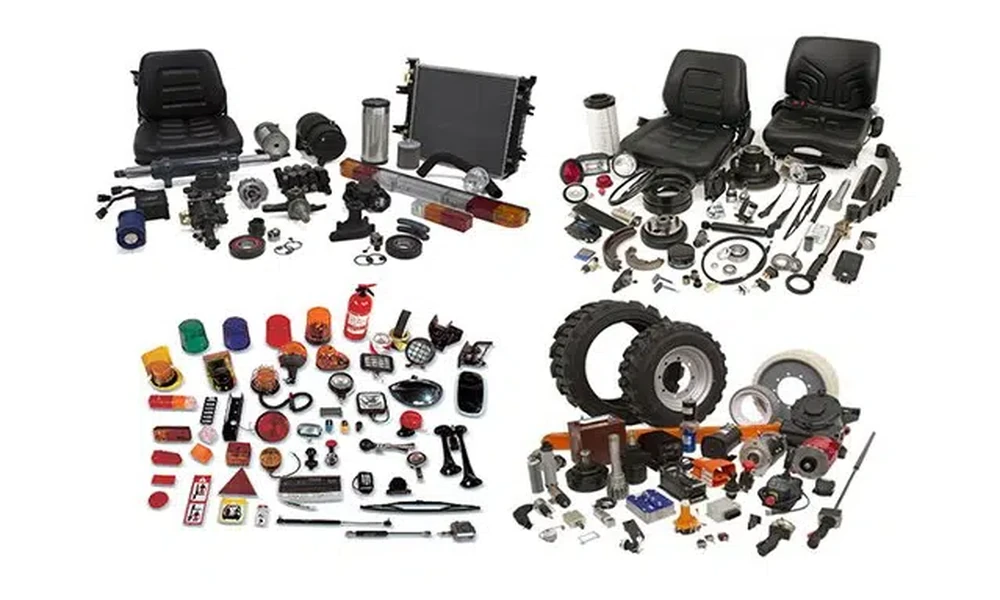
The equipment in busy warehouses must be predictable all day long during a testing day. The smoother forklift movement, the less unnecessary interruptions in goods’ delivery. Each part of a system is useful in some way, either for directing motion or for holding, lifting, or restraining it. Businesses can ensure the reliability of their forklift equipment and streamlined operations by selecting appropriate forklift parts. Good condition equipment also provides operators with confidence while conducting routine operations. Reliability counts in all areas, such as compact storage units down to high-traffic loading bays. Maintenance staff make informed decisions when it comes to equipment maintenance when they are familiar with the factors that are essential.
Reliable Performance
Forklifts operate optimally when they are performing tasks according to the manufacturer’s design. Appropriate filter and seal matching and hydraulic component selection results in uniform operating performance. Predictable responses while lifting, steering and travelling can be supported by quality replacement components? Pallets are checked regularly, so that participants of the planned activities of the warehouse are not disturbed. Maintenance staff can then plan for the necessary replacement within a set maintenance schedule and need. In this organised way, equipment is always ready for regular rigorous material handling requirements.
Safer Handling
Controlled handling relies on the suitability of equipment, and the condition of the equipment as well as the training of operatives. Safety systems like brakes, tyres and steering impact predictable operating motion. Due to the forklift manufacturer specification, selecting parts assures reliable essential safety functions. Techs should ensure machines return to service after checking the performance under approved fitting procedures. Maintenance history is also easier to pull up, enabling supervisors to have better insight into equipment in a busy work site. All of these practices contribute and together form a better base for confident safe and responsible lifting practices.
Smoother Movement
There are a variety of challenges associated with warehouse floors including narrow aisles, second-hand loading floors, etc. Plus, the proper tires ensure that forklift trucks can get extra grip on the type of surface they’re working on. Steering components help to accurately manoeuvre loads when operators are forced to move loads in a restricted area. Comfortable and controlled equipment motion is also achieved by well-maintained bearings and wheels. Each acceptable alternative enhances the attributes that are considered appropriate for machine handling. When it’s running smoothly, trained team members can focus on load positioning.
Productive Workflows
Reliable forklift equipment ensures reliable and systematic warehouse operation and delivery, providing warehouse teams with a solid foundation for their daily operation. Reliable components grant regular unload, stock preparation and stock transfer for departures. Preventive servicing activities allow for opportunities to monitor wear and make the appropriate required repairs. Teams are able to schedule maintenance work in a way that fits in with other work and available equipment. If machines operate with uniformity, communication among the operators and supervisors would be easier. This stability supports a robust workflow that remains ordered with varying workloads throughout the day in the business.
Longer Service
Careful care of its parts is one of the main ways that forklift systems can stay an asset in the company’s service for their planned operating life. It is crucial to select the right forklift components when planning forklift maintenance. When installed and changed in accordance with instructions, filters are able to shield associated systems from pollution. Good lubrication practices and proper maintenance checks are also important in ensuring moving parts perform as intended. Service histories will enable technicians to identify regular demands and proactively schedule the right service. A pragmatic discipline that contributes to long-term equipment reliability whilst not compromising on key safety standards.
Confident Maintenance
When documentation is well-established, technicians are able to easily identify what parts machines need. Note that manufacturer guidance is useful and it gives details on compatibility, inspection periods and procedures. It is easier to follow up on technical queries and parts identification with good suppliers. Up-to-date records indicate the items installed and serviced. This data is useful to maintenance staff in order to transfer knowledge between shifts and change of duties. Well organised servicing contributing to better decision making and more reliable working environment.
Conclusion
In everyday working life in the warehouse, it is essential to keep things well organised, and reliable forklifts are essential to that. They will only operate if all the components are in good working order, and if they are subject to regular checks and to responsible operation. Careful selection of forklift partscan help to ensure the right handling attributes that the machine is designed for. The different tyres, brakes and hydraulic components serve different operational needs. Scheduled maintenance also enables teams to plan their maintenance in line with community needs. Replacement decisions are more easily understood and managed because of the clear records and manufacturer guidance. Most important, a dependable piece of equipment enables trained personnel to take their duties with assurance. Mindful component selection offers, in turn, safer handling practices, streamlined processes and continued operational reliability.