
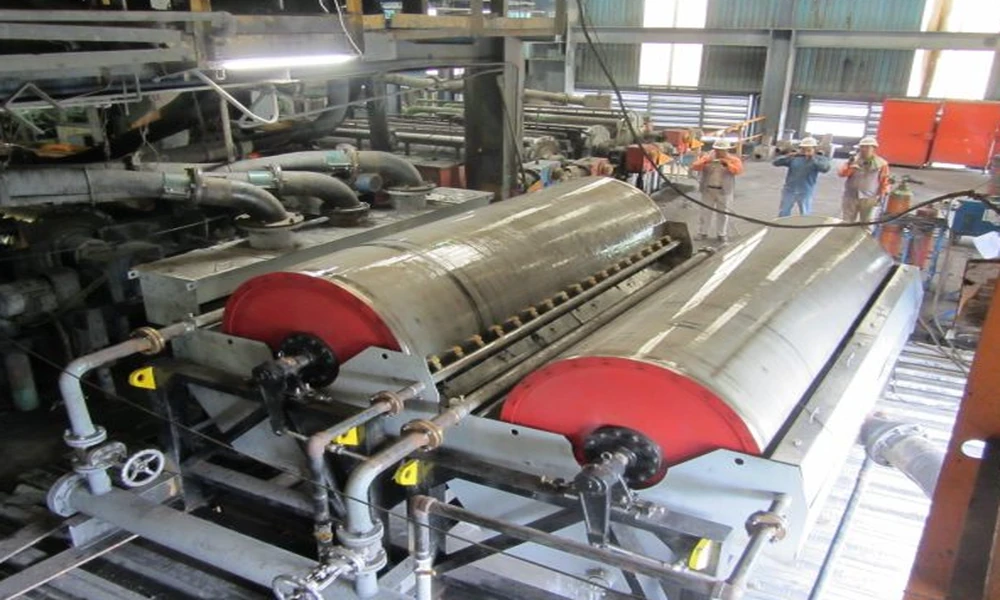
In a high-throughput processing plant, being able to efficiently separate valuable materials can make a huge difference in the plant’s daily operations. A drum magnetic separator is used to recover magnetic particles in the continuous process of a mixture of materials. The rotating drum differentiates the material attracted to it using a magnetic field to route it to collection. This practical solution is compatible with recycling centres, extraction and processing of minerals, and other types of industry. When the correct pieces of equipment are chosen, teams can keep their products cleaner and better structured to move the material around more effectively. The knowledge also helps the operators to select arrangements that they want for their feed materials. Magnetic separation is an important component of a managed production line, and well-placed use of the technology can reap rewards.
Cleaner Outputs
The quality of the material can depend upon the effectiveness of the separation of unwanted ferrous particles during the processing. This uses a magnetic drum to attract suitable metals and also separate them from the nonmagnetic materials via a different discharge path. This controlled separation facilitates a uniform stream for further manufacturing or/or recycling processes. A well-designed system takes into account the characteristics of the particles, the depth of the feed and what particle separation is desired. This allows operators to evaluate with clear process requirements and not by assumption!
Steady Processing
Production teams love equipment that processes material continuously without disrupting the big processing system. The drum magnetic separator is a separator that separates magnetic particles by transforming magnetic force into centrifugal force as it rotates and ingests the feed. Depending on the application, appropriate designs may be designed to process dry material or performed in a wet separation circuit. The uniformity of feeding promotes the efficient working of the magnetic field on material that is fed across the drum. For the required throughput capacity, engineers can find and choose the right drum size and magnet arrangement.
Valuable Recovery
Recycling operations can get another boost of resource productivity by recovering useful ferrous material. The magnetic separation system is engineered to separate out recoverable metals from the appropriate mixed stream prior to additional sorting. The resulting fractions can then be directed to further processing based on their quality and other purposes. Recovery efficiency is material dependent, size of particles and system parameters dependent. Good process design can allow the capture of magnetic products with greater consistency from the facility.
Equipment Protection
The clearing of loose ferrous objects may prevent machinery downstream from being affected by some mechanical conflicts. Crushers and conveyors, or other equipment, can be a critical link in processing lines with regard to unwanted metallic objects. Appropriate magnetic separation will minimize the amount of desired pieces entering these later stages. Feed condition and placement of installation are determined by equipment specialists and used in order to give the correct recommendation of the magnetic assembly. Proper installation will complement existing site protection measures.
Flexible Applications
Depending on the nature of the feed streams, animal (barn) effluent recycling facilities perform a variety of different operations. For some recycling, aggregates, mining, or bulk material operations, a drum magnetic separator may be an appropriate separator. The manufacturers provide various configurations depending on the level of magnetic strength, drum construction, and specific operating conditions. Extensive discussions cover moisture, material size and throughput to help narrow candidate equipment selections. This flexibility enables engineers to adapt a separation technique to actual production.
Simpler Maintenance
The growth of accessible designs of equipment allows maintenance staff to access parts and maintain a well-organised routine. It is normal to find service guidance in a drum about bearings, drum surfaces, guards, and appropriate drive markings (if applicable). Isolation and workplace safety procedures are to be followed and operators will be able to follow the manufacturer’s recommended guidelines. While routine checks can also be made, it will also help determine whether there have been variations in the feed condition or separation performance. Known maintenance records are used to communicate teams’ observations and plan work around the production schedule.
Practical Integration
The first step to a successful separation is to figure out how the material gets to the drum and out each exit. Conveyor arrangements, discharge paths and existing space constraints within the plant are taken into consideration by the engineers. The suitable installation provides good flowways for magnetic and nonmagnetic fractions to their next process. There are also safe access points and guarding, which enable appropriate planned maintenance and operation. The process of equipment and site interface team coordination provides practical considerations resolution at an early stage.
Conclusion
In industrial applications, where managing an assortment of material streams is challenging, magnetic drum technology proves to be a practical solution. The proper selection of a drum magnetic separatorfor the application will achieve more consistent separation. Useful ferrous material doesn’t leave appropriate designs to end up in downstream operations. For example, with the right planning of feeding and discharge arrangements, continuous operation can also back up existing workflow if necessary. Access for maintenance and operating instructions clearly explain the day-to-day operations, making this reliable. Using the right equipment will enable businesses to connect cleaner outputs with confident material handling while, in turn, bearing in mind knowledgeable guidance on its selection. In conclusion, magnetic separation enhances the versatility and effectiveness of manufacturing processes.