
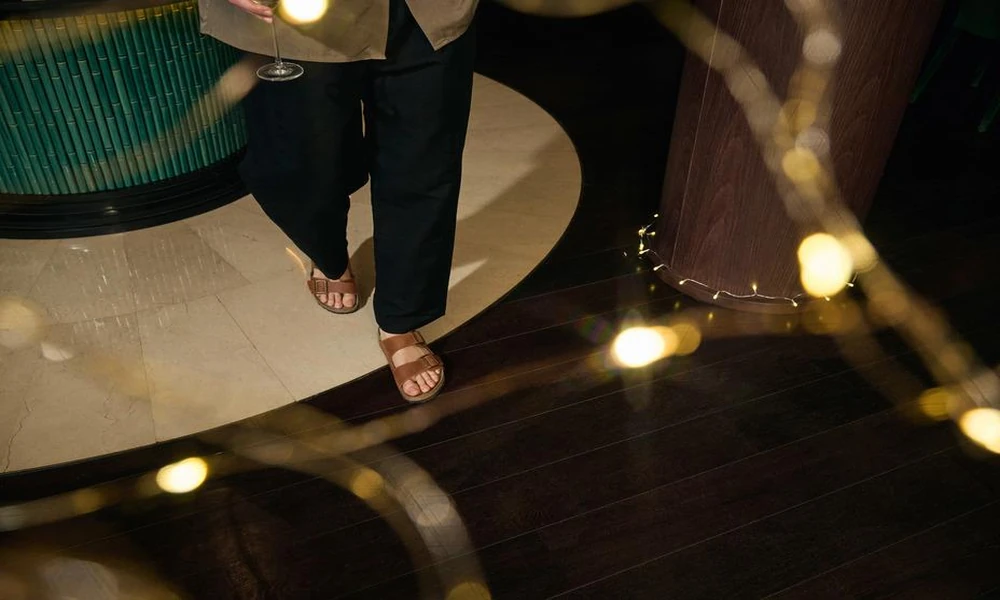
Most of us have a “beautiful but brutal” pair of shoes tucked at the back of the wardrobe. You know the one. Gorgeous in photographs, a personal crime scene by hour three. Great footwear isn’t supposed to be a trade-off between how it looks and how it feels. It rests on three pillars: comfort, quality, and versatility. Get all three right, and you’ve found a pair worth defending in every group chat debate about “practical vs pretty.”
Here’s the breakdown, pillar by pillar, no jargon, no fluff.
Pillar One: Comfort That Actually Does Something
Comfort isn’t a marketing word. It’s a design outcome. A well-built shoe distributes weight evenly, supports the natural shape of the foot, and doesn’t punish you for standing in a queue for twenty minutes. This is where footbed construction matters more than looks. Contoured footbeds, proper arch support, and breathable materials work quietly in the background so your feet aren’t the ones doing overtime.
If you’re hunting for comfortable sandals for men or women, this is the checklist to run through before anything else. Cushioning is nice, but structure is what keeps your feet from feeling flat and tired by evening. The same logic applies whether you’re picking sandals for men or women for daily errands or something dressier for a weekend brunch.
Pillar Two: Quality You Can Actually Verify

Quality is less about a label and more about material honesty. Genuine leather uppers, cork and latex footbeds, and stitching that doesn’t unravel after two monsoons. A well-made shoe ages like a good denim jacket, not like a soggy biscuit.
This is also where certain classic silhouettes earn their reputation. Take the Birkenstock’s Arizona, the brand’s iconic two-strap design that’s stayed recognisable for decades without needing a redesign every season. Then there’s the Gizeh, a single-strap thong sandal that trades bulk for simplicity, and the Boston, a closed-toe clog that proves comfort footwear doesn’t have to look like a compromise.
For men’s and women’s sandals, quality shows up in the small things: adjustable straps that actually adjust, buckles that don’t dig in, and soles with enough grip to survive a sudden downpour without an unplanned slide across the pavement.
Pillar Three: Versatility, Or, Can It Do More Than One Job?
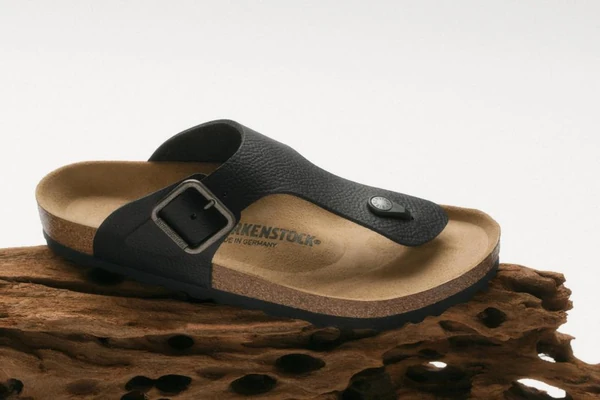
A great shoe should not require a personality change to match your day. It should move from a morning coffee run to an evening dinner without you overthinking it. This is where the Mayari, a double-strap crossover sandal, tends to shine. It’s dressy enough for a linen kurta and casual enough for denim shorts.
Versatility also means seasonal flexibility. Are your sandals for men and womenonly good in peak summer, or can they handle a light drizzle and a cooler evening too? Neutral tones, adaptable straps, and simple silhouettes tend to stretch across more occasions than anything overly trend-led.
The Quick Cheat Sheet
Still deciding what to prioritise? Here’s the shorthand:
- Comfort first: Look for contoured footbeds and breathable materials.
- Quality second: Check stitching, material, and how the shoe ages over time.
- Versatility third: Ask if it works across at least three different occasions.
The Real Takeaway
Comfortable sandals for men and well-constructed women’s sandals aren’t opposing categories chasing different customers. They’re built on the same three pillars, just styled differently. The next time you’re shoe shopping, skip the “does it look nice in the mirror” test and run the comfort, quality, versatility checklist instead. Your feet, quite literally, will thank you by the end of the day.