
I planned my trip based on food and less on major sights. Pune’s food culture is best described as simple but locally rooted, influenced by historical eateries and family-run kitchens. During my three-day trip, I dined mostly s where locals have their meals and took notes on my experience.
Maharashtrian cuisine is rich and wholesome. Apart from popular dishes such as misal and vada pav, there are thali combinations, sweets and flatbreads, and seasonal festive dishes. Most of it is served in small eateries located in Pune’s old areas. The menus remain unchanged, and the food is cooked traditionally.
First thali at Hotel Shreyas in Pune
My first meal was lunch at Hotel Shreyas on Apte Road in Deccan Gymkhana, which has been serving Maharashtrian thalis since 1971. The place was tranquil, with lush surroundings. Its location is just off a busy road.
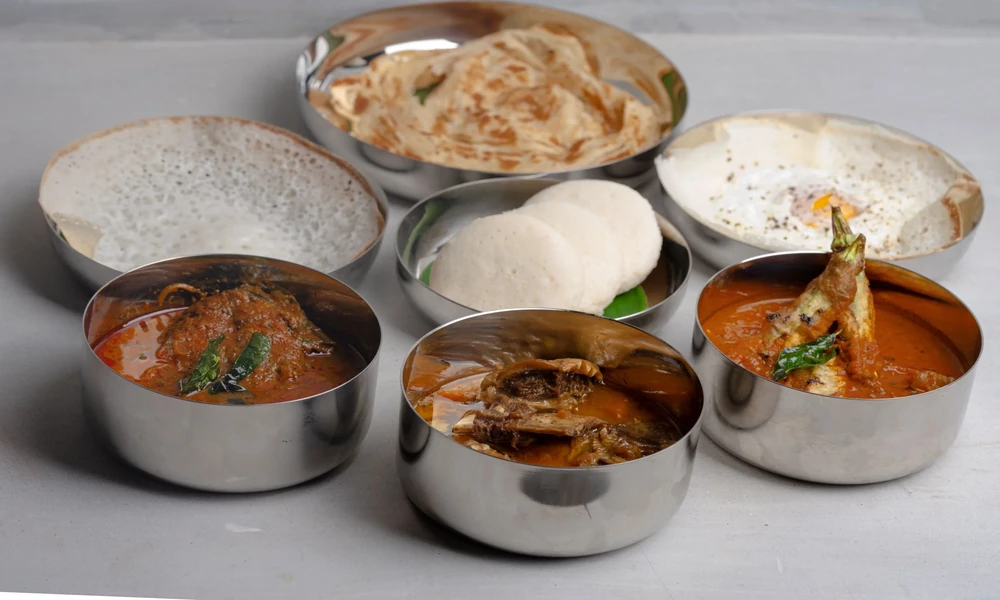
The thali arrived in steel bowls. Amti, batata bhaji, kothimbir vadi, puri, rice and a small sweet. Puran poli appears when in season, served with warm milk. Everything was mild and balanced, and no single dish was too strong.
Why I arrived hungry and rested in Pune
That first meal tasted better because I was rested. Since I did not get direct connections to Pune, I had taken one of the business class flights into Mumbai that morning after a very early start. The spacious seat and hot breakfast on board meant I landed relaxed and ready for the road ahead instead of fatigued. By the time I reached Apte Road, I was ready to eat properly and not just pick at things.
It is a small point, but a food-focused trip depends on appetite. Arriving drained would have cost me at least one meal.
Old city dining halls in Pune
The next day, I went to Durvankur Dining Hall in Sadashiv Peth for lunch. It is a family-owned restaurant famed for its intricate vegetarian thalis. The restaurant gets crowded during weekends, especially during the mango season, when aamras thali becomes popular. Fortunately, I went on a weekday and got a seat as soon as I arrived.
Later, I strolled around Budhwar Peth to Poona Guest House, which serves Maharashtrian food in Brahmin style for almost a century. Though the restaurant’s decor is simple and the menu limited, the thalipeeth and puran poli were delicious.
Sweets and afternoon stops in Pune
Mastani is Pune’s popular dessert, a thick milkshake topped with ice cream, and Sujata Mastani in Sadashiv Peth. I ordered a seasonal flavour and ate it slowly. It is richer than I expected, but very fulfilling.
Between meals, I walked through Kasba Peth, where small sweet shops sell traditional Maharashtrian sweets. I bought a small box of modak and a few pieces of shrikhand to eat later. Shops often close in the afternoon, so go before two.
Practical notes for eating in Pune
Lunch is considered the most important meal of the day and restaurants generally close from three to seven in the evening. Dinner is lighter and is served earlier. Most restaurants serve unlimited thalis, so keep breakfast light.
Carry small notes and wear comfortable shoes. The old peths are best explored on foot, and parking is limited. Ask what is seasonal when you order. Aamras in summer and modak around Ganesh Chaturthi are good reasons to time a visit.
What Pune’s cuisine taught me
I left with a better understanding of how Maharashtrian cooking works. It relies on balance, patience and a few ingredients treated with respect. If you give Pune three days and a decent appetite, its old dining halls will tell you more about the city than any monument could.