
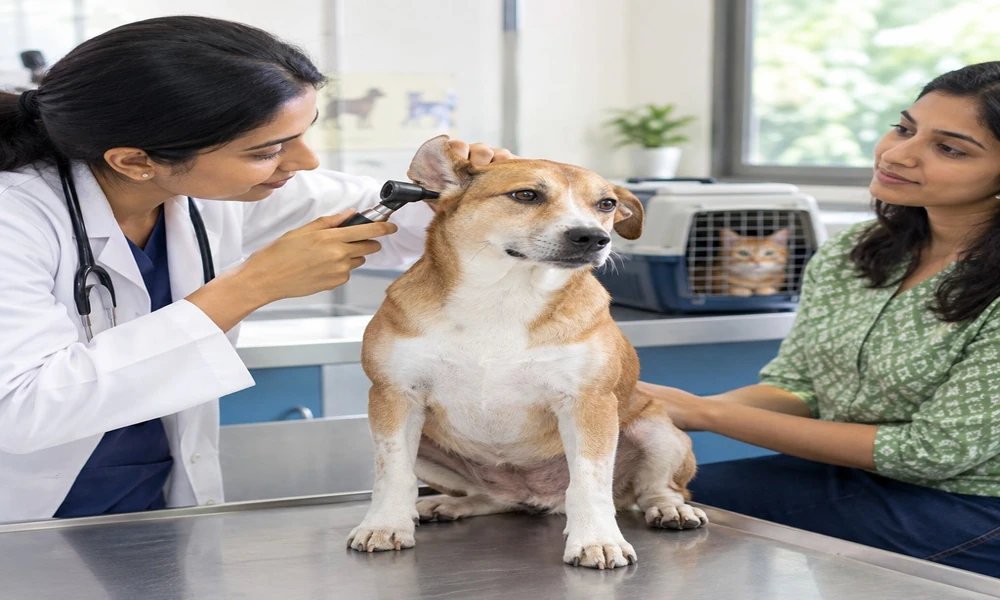
Pets cannot tell you what hurts. A sudden fever, repeated vomiting or an ear infection may be the first sign that something is wrong. Veterinary care can involve tests, medicines and a hospital stay. Illness cover helps with treatment bills, but not every condition or visit is included.
The illnesses listed below may be covered under pet policies in India, depending on the type of cover chosen, waiting periods and exclusions. Always check the policy wording before making a claim.
Digestive Disorders
A dog that keeps vomiting or has loose stools may need more than a change of food. Infections and stomach inflammation can require hospital care. A pet insurance policy may cover eligible treatment when the illness meets its terms.
- Possible costs: Diagnostic tests, prescribed medicines and hospitalisation.
- Check whether routine consultations and dietary treatment qualify.
Skin Infections and Allergies
Constant scratching, red patches or hair loss can point to an allergy, fungal infection or another skin problem. These issues can return after treatment. Skin conditions are excluded under some policies, so do not assume that every veterinary bill will be paid.
- Look for: Skin disease exclusions
- Check whether: Tests and prescribed treatment are included
Respiratory Infections
Coughing, a runny nose and noisy breathing can signal a respiratory infection. Some pets develop pneumonia and need urgent veterinary attention at once. Plans with illness or hospitalisation benefits may cover eligible treatment when the vet recommends admission.
- Common conditions: Upper respiratory infections and pneumonia
- Possible expenses: Chest tests, medicines, oxygen support and inpatient care
Eye and Ear Infections
Red eyes or constant ear scratching can signal an infection. Conjunctivitis and ear infections may need prescription drops or further tests. If you have pet insurance for dogs, see whether outpatient visits are included before expecting the bill to be paid.
- Watch for: Discharge, swelling or head shaking.
- Check whether: Prescribed medicines and procedures qualify.
Urinary Tract Infections
Frequent urination, pain or blood in urine may signal an infection. Bladder infections may cause discomfort. Urinary infection treatment may be covered, but payment can depend on hospitalisation or optional outpatient benefits. A vet can confirm the cause through testing.
- Possible care: Urine tests and prescribed medicines.
- Important: An inability to urinate needs urgent veterinary care.
Tick and Flea-Borne Diseases
Ticks may spread infections such as ehrlichiosis, often called tick fever. Fleas can pass on tapeworms, while heavy infestations may cause anaemia. Not all parasite-related treatment is covered, so check the named illnesses and exclusions before assuming a claim will be paid.
- Watch for: Fever, tiredness or poor appetite
- Coverage note: Routine parasite prevention is usually excluded
Arthritis and Joint Problems
An older dog that struggles to climb stairs or get up may have joint pain. Walking may become painful too. Arthritis needs a vet’s assessment and often ongoing care. Some plans cover certain joint treatments, while others exclude existing or inherited conditions.
- Possible tests: Examination and X-rays
- Check limits on: Medicines, surgery and follow-up visits
Diabetes and Other Chronic Illnesses
Drinking much more water, losing weight or urinating often can be signs of diabetes. Thyroid and kidney conditions may also need continued care. These illnesses are not automatically covered under every plan. Some policies offer separate long-term illness benefits.
- Check: The list of named chronic illnesses
- Ask about: Pre-existing conditions, payment limits and repeat treatment
Conclusion
Illness cover can help with veterinary expenses, but the diagnosis alone does not confirm a claim. The policy must include the condition and the treatment received. Before relying on cover, read the waiting periods, exclusions, hospitalisation rules and outpatient benefits. Keep vaccination records, vet prescriptions, test reports and bills. If your pet seems unwell, seek veterinary care promptly rather than waiting to find out whether a claim will be accepted.