
Four meals. Three towns. One stomach. That’s the honest math of a weekend food trip through Western Massachusetts, and most itineraries ignore it. They hand you a list of forty restaurants and hope you figure it out. You won’t, and you’ll end up at the same chain twice out of fatigue.
The fix isn’t a longer list. It’s a route. Western Mass spreads its food identity across distinct towns, each with its own personality, and the smart move is to treat the region like a small country with culinary provinces. You drive a loop, you eat one anchor meal per province, and you stop trying to see everything. If you want a starting point for the sheer range of options, you can find local dining in Western Massachusetts organized by town and cuisine, which beats guessing from a map at 7 p.m. on a Saturday.
Here’s the framework I’d actually use, tested on real trips and adjusted for the fact that you will get hungry between meals.
What’s the single biggest mistake food travelers make here?
Treating Springfield as a pass-through on the way to Northampton. That’s the error. Springfield and Holyoke together carry the region’s most culturally layered food scene, with Puerto Rican, Dominican, Vietnamese, and Korean kitchens clustered in neighborhoods that reward an afternoon of wandering rather than a quick exit off the interstate.
I’d build an entire day around Springfield alone. Lunch in one of the city’s neighborhood restaurant corridors, an afternoon walk to reset your appetite, then a second, smaller meal somewhere completely different. Two modest meals beat one enormous one when you’re trying to cover ground, and this is the one place on the route where I’d argue against the big dinner plan.
Fair warning: portions in these kitchens tend to be generous, and the price tags are gentler than the college towns. You’ll spend less here than anywhere else on the loop and eat better than you expected to.
Northampton and Amherst: the college-town cluster
Northampton and Amherst sit close enough together that you can treat them as one dining zone. The college presence shapes everything, which is why you’ll trip over vegetarian menus, vegan bakeries, third-wave coffee, and small independent kitchens that change their menu with the season. That density is genuinely useful when you’re traveling with someone whose dietary needs don’t match yours.
My move: park once in Northampton, walk the downtown core, and pick a restaurant based on the room rather than the reputation. Some of the best meals here happen in narrow storefronts with twelve tables and a chalkboard. Amherst works better as a lunch stop between other plans, especially if you’re heading north or east afterward.
One judgment call. If you only have time for one of the two, pick Northampton. It’s denser, more walkable, and easier to pivot from when a place has a wait.
Where farm-to-table actually means something
Western Massachusetts has kept a working agricultural base while a lot of New England turned its farmland into subdivisions. That’s not nostalgia, it’s infrastructure, and it’s why seasonal menus here have real teeth. The National Park Service manages farmland and historic agricultural landscapes across the country, and the survival of working land around here is the reason local kitchens can source close to home instead of shipping in trucked produce.
What that means for you practically: ask what’s local before you order. Servers at farm-focused restaurants here usually know the answer, and the response tells you whether the claim is real or marketing. Look for menus that shift noticeably between spring and fall, and be suspicious of a place advertising the same twelve dishes in July and November.
Also worth a detour: farm stands and orchards. A mid-afternoon stop for peaches or cider donuts is not a snack, it’s a scheduling tool. It keeps you from over-ordering at dinner.
The Foothills Loop: a weekend plan you can steal
I call this the Foothills Loop because it traces the hill towns and river valleys that shape where the food comes from. It’s four meals across two days, with driving capped at roughly an hour between stops.
| When | Where | What to prioritize |
|---|---|---|
| Saturday breakfast | Northampton | Bakery and coffee, walkable downtown |
| Saturday lunch | Springfield or Holyoke | Puerto Rican, Dominican, or Vietnamese kitchens |
| Saturday dinner | Hill towns | Farm-sourced seasonal menu, reserve ahead |
| Sunday brunch | Amherst | Vegetarian-friendly spot, then a farm stand stop |
The order matters more than the specific restaurants. Doing the city meal at midday and the countryside meal at night gives you daylight for walking and darkness for lingering. Reverse it and you’ll end up driving narrow roads on an empty stomach, which is a bad combination.
Reserve the Saturday dinner. Everything else can be spontaneous, but the hill-town table with a seasonal menu is the one place where showing up unannounced on a summer weekend is a real gamble.
Practical moves that save the trip
A few things I’d tell a friend before they leave the driveway.
- Call ahead on Mondays. Small independent restaurants in this region keep odd hours, and a closed dining room can wreck a carefully planned day.
- Skip the second coffee stop. You’ll want the appetite later.
- Carry cash for farm stands. Some of the best ones are honor-system boxes at the end of a driveway.
- Book lodging near your dinner, not your lunch. Nobody wants a forty-minute drive after a long meal.
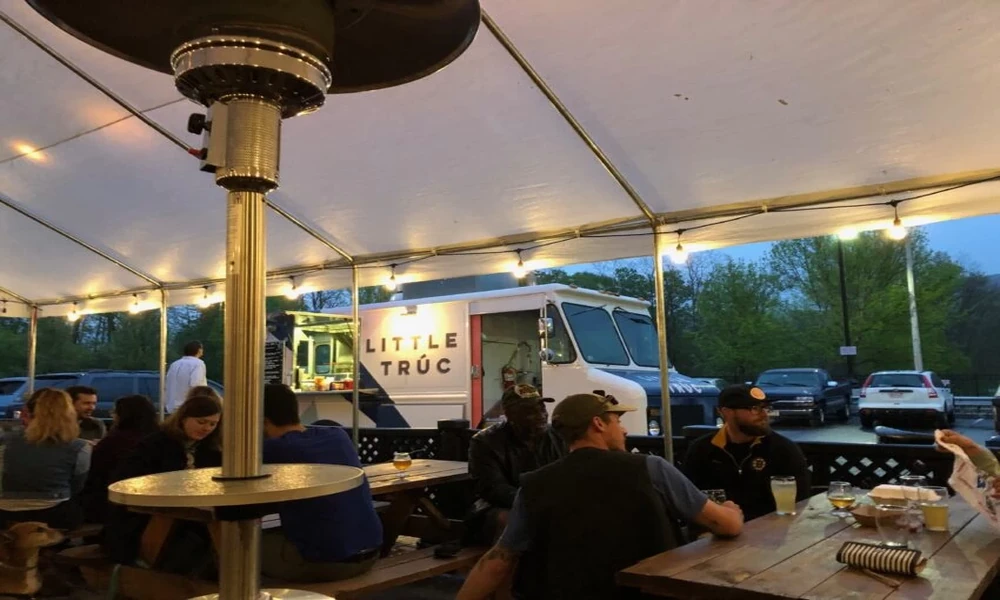
On the craft beverage side, the region has a genuinely strong brewery and distillery scene, and taprooms often serve food or host trucks. A brewery stop is a good way to break up a two-restaurant day without committing to a full third meal. If you’re planning around events, the state’s tourism office at Mass.gov publishes seasonal programming and regional travel resources that help you time a visit around something worth seeing.
Who’s actually traveling, and does it change the plan?
Quite a bit, yes. According to Census Bureau data, American households increasingly skew toward smaller sizes, which means a lot of food travel is couples and solo travelers rather than big family groups. That changes the plan in a useful way. Smaller parties can sit at a bar, order two small plates, and move on. Groups of six need reservations and a single destination.
Solo travelers should lean into counter seating and taprooms. Families should anchor the day around one kid-friendly spot and treat everything else as a bonus. Couples get the best deal of all: two appetizers and one entrée split between you covers more menu ground than two full plates.
Eating across Western Massachusetts rewards restraint over ambition. Pick four meals, commit to the route, and let the farm stands and bakery detours fill the gaps. You’ll eat better than the person who tried to hit twelve restaurants in two days, and you’ll actually remember the meal. So which province are you starting in, Springfield or the hill towns?