
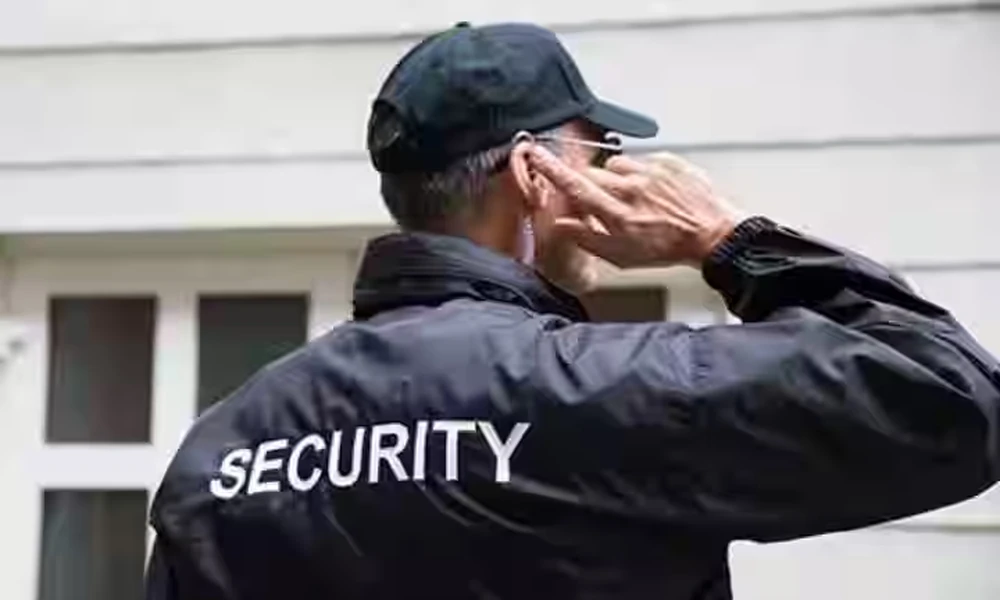
Security does not always require a heavily equipped approach. Many businesses and properties primarily need someone who can observe activity, manage access, identify potential concerns, and maintain a professional presence throughout the day. Unarmed Security Services can fulfill these responsibilities while allowing the security environment to remain approachable and orderly.
For offices, retail locations, residential properties, schools, medical facilities, and public-facing businesses, the ability to prevent problems through visibility and communication can be an important part of everyday security planning. Ranger Security Agency describes unarmed officers as providing functions such as access control, patrols, surveillance monitoring, identification checks, and incident reporting.
More Than Simply Watching a Property
A security officer’s role can involve many routine activities that contribute to a property’s overall organization. Officers may monitor entrances and exits, check restricted areas, conduct scheduled patrols, and observe surveillance systems. These responsibilities can help identify unusual activity before it develops into a larger disruption.
Documentation is another important element. When an incident occurs, a clear report can provide property managers with useful information about what happened, when it occurred, and how it was handled. Consistent reporting can also help identify patterns that may require changes to existing security procedures.
Unarmed officers can also serve as a point of contact for employees, visitors, residents, or customers. In public-facing environments, a professional and approachable presence can be particularly useful because security personnel may interact with people throughout their shift.
Where Unarmed Security Can Be Useful
The appropriate security arrangement depends on the property’s circumstances. Retail stores may use guards to monitor customer areas and entrances, while office buildings can benefit from visitor management and controlled access. Residential communities may require regular patrols and monitoring of common areas.
Medical facilities and schools can have additional considerations because security personnel may need to maintain a calm environment while handling disagreements or unexpected situations. Event venues can also use unarmed guards for entrance monitoring, credential checks, crowd movement, and general observation.
Ranger Security Agency lists retail stores, office buildings, residential communities, medical facilities, schools, and event venues among the environments where unarmed security can be used.
The same principle can apply to research facilities and other controlled environments. In these settings, maintaining restricted access and protecting sensitive areas can be more important than introducing an armed presence.
Building a Security Plan Around Everyday Needs
Good security planning starts with understanding how a property operates. Managers can consider the number of entry points, operating hours, visitor traffic, restricted areas, valuable equipment, parking arrangements, and previous security concerns when determining the type of coverage required.
Unarmed officers can work alongside cameras, alarms, electronic access systems, lighting, and other security technology. Technology can identify or record activity, while personnel can observe conditions directly and communicate with people on-site. This combination can provide broader oversight than relying on a single security measure.
Training and licensing should also be considered when selecting a provider. Ranger Security Agency states that its unarmed officers are licensed through the Texas Department of Public Safety Private Security Bureau and receive training that includes areas such as conflict resolution, emergency procedures, and incident documentation.
Ultimately, Unarmed Security Services are centered on prevention, observation, access management, communication, and professional on-site support. They can be adapted to different property types and schedules without changing the everyday character of the environment. For organizations that need consistent security oversight, the right combination of trained personnel, clear procedures, and existing security technology can create a structured approach to protecting people, property, and daily operations.