
Eyebrow tinting and microblading continue to influence how clients approach brow definition, especially as people seek long-lasting results without daily makeup. Both methods offer a structured look, yet they function differently and require varying levels of commitment. Knowing the differences guides clients in choosing the approach that aligns with their expectations, skin type, and lifestyle.
How Eyebrow Tinting Works
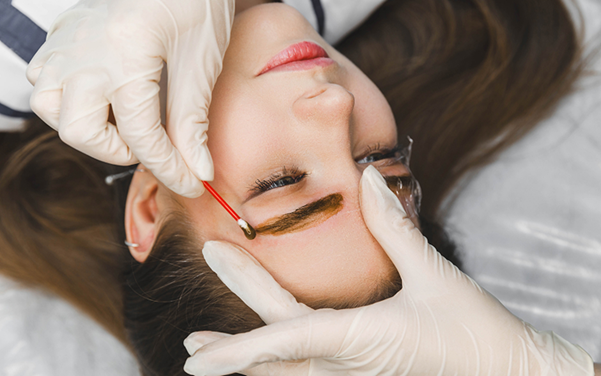
Eyebrow tinting in Singapore involves applying semi-permanent dye to the brow hairs and, to a limited extent, the skin beneath them. The goal is to darken the brows, define their outline, and create a fuller appearance without altering the natural brow structure. The treatment is usually quick, often completed within thirty minutes, and relies on choosing a pigment shade that suits the client’s complexion and hair colour. Brow shaping is commonly paired with tinting to refine the edges through threading, tweezing, or waxing, ensuring the brows look symmetrical once the dye develops. Tinting fades gradually over one to three weeks, depending on skincare habits, sweat exposure, and how frequently the client cleanses the area.
How Microblading Differs
Microblading is a semi-permanent cosmetic procedure that creates fine strokes on the skin to mimic natural brow hairs. A manual tool deposits pigment into the upper dermal layer, offering a longer-lasting result compared with tinting. Microblading is suited for clients who want to alter the brow’s shape, density, or structure rather than simply darken existing hairs. The process requires more time, including consultation, mapping, and aftercare instructions. Healing typically takes around one to two weeks, with a touch-up recommended after a month. Results last from one to two years, depending on skin type, lifestyle, and adherence to aftercare guidelines. Unlike eyebrow tinting, microblading is more sensitive to factors such as skin oiliness and sun exposure, which may cause faster fading.
When Eyebrow Tinting Is More Appropriate
Tinting is suitable for clients who want a low-commitment enhancement or have lighter brow hairs that disappear against their complexion. It is also practical for clients undergoing regular brow shaping in Singapore, as the tint helps define the brow outline and makes maintenance easier between appointments. Clients who prefer minimal downtime often choose tinting because the procedure requires no healing period. Those who frequently adjust their brow style may also prefer tinting since the effect fades quickly, offering flexibility to change shapes or try new grooming techniques. Tinting is less suitable for individuals with sparse brows or gaps where there is no hair to hold pigment.
When Microblading Is the Better Option
Microblading is suitable for clients seeking structural changes rather than temporary colour adjustments. It works well for those with thin, uneven, or patchy brows that do not respond well to tinting alone. People who want consistency in brow shape across several months may find microblading more practical, provided they are prepared for aftercare requirements such as avoiding excessive sweating, swimming, or exfoliating products during healing. Clients with active skin conditions, extremely oily skin, or sensitivity to pigments may need further consultation before proceeding. Since microblading deposits pigment into the skin, it offers more defined results in areas where brow hairs are limited.
Choosing the Right Method Based on Lifestyle and Maintenance Needs
Selecting between eyebrow tinting and microblading depends on how much time and effort a client is prepared to commit to upkeep. Tinting suits those who prefer short sessions and minor maintenance, as it integrates easily with regular grooming. Microblading fits clients seeking long-term shape stability and who are comfortable with follow-up appointments and structured aftercare. Both methods can complement brow shaping, but the level of permanence is the key factor influencing selection.
Conclusion
Eyebrow tinting and microblading offer distinct approaches to achieving defined brows, with differences in technique, longevity, and suitability for various brow conditions. Clients benefit from understanding how each method works before committing to a treatment. Evaluating lifestyle, maintenance expectations, and natural brow density helps determine which solution supports long-term grooming goals.
Contact Carragheen to find the brow technique that suits your routine and long-term goals.
