
A well-planned garden transforms how a home feels, both from the street and from your own back deck, but jumping straight into planting without a clear plan is one of the most common ways a landscaping project goes over budget or simply doesn’t turn out as hoped. Working with an experienced landscaping Narre Warren homeowners trust from the earliest planning stage sets a project up for a much smoother result.
Here’s a practical starting point for anyone considering a landscaping project in the area, from understanding your soil through to sequencing the actual work.
Understand Your Soil Before You Plant Anything
Narre Warren’s soil varies noticeably from block to block, with some areas featuring heavier clay that holds water and others with better-draining loam. This genuinely affects what will thrive in your garden long term, and it’s worth understanding before committing to a particular planting scheme. A landscaper familiar with the local area will often be able to make a reasonable assessment simply from experience working on nearby properties, saving you the cost of formal soil testing for a straightforward residential project.
Drainage is closely tied to this soil consideration. Heavier clay soils common in parts of the outer south-east can lead to waterlogging around garden beds or even structural issues near the home if not properly managed, so it’s worth discussing drainage solutions upfront rather than treating them as an afterthought once plants are already struggling.
Think About How You’ll Actually Use the Space
It’s easy to get swept up in aesthetics and forget to plan around how the garden will actually be used day to day. A family with young children needs different considerations, like open lawn space and low-maintenance, non-toxic plantings, compared to a couple who entertains often and wants a defined outdoor dining and lounging area. Being clear about this upfront helps a landscaper design a space that genuinely suits your lifestyle rather than one that simply looks good in a design render.
Low-Maintenance Doesn’t Have to Mean Boring
Plenty of homeowners want a garden that looks great without demanding hours of weekend maintenance, and this is entirely achievable with the right plant selection and layout. Native and drought-tolerant species suited to Melbourne’s climate, combined with sensible mulching and an efficient irrigation system, can deliver a genuinely attractive, low-fuss garden without resorting to an all-artificial-turf solution that some homeowners feel pressured into simply to avoid upkeep.
- Front yard makeovers: focus on kerb appeal with structured planting and clear pathways.
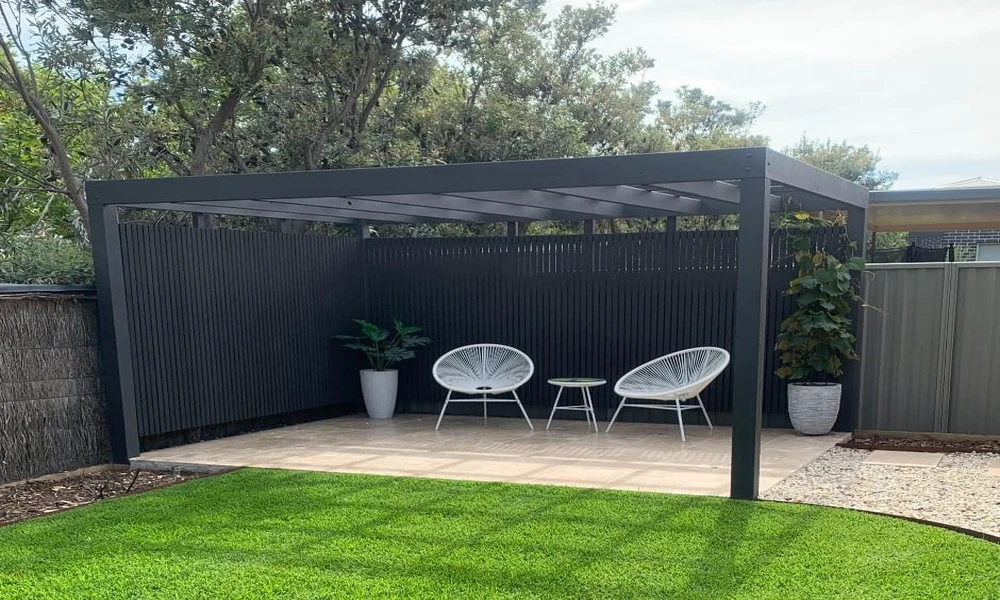
- Backyard entertaining areas: define spaces clearly with paving, planting borders or low retaining walls.
- Low-maintenance gardens: prioritise native species and efficient irrigation over high-upkeep lawns.
- Drainage-prone yards: address grading and drainage solutions before finalising planting plans.
Sequencing the Work Properly Saves Money
Larger landscaping projects, particularly those involving retaining walls, irrigation, or significant earthworks, need to happen in a sensible order to avoid costly rework. Getting drainage and irrigation lines in before final paving or turf goes down, for instance, avoids having to dig up freshly completed work later. A good landscaper will map out this sequence clearly before starting, rather than figuring it out as the project progresses.
Choosing Plants Suited to the Local Climate
Melbourne’s variable climate, with hot dry summers and cold, wet winters, means plant selection matters enormously for a garden’s long-term success. Species that thrive in a Mediterranean climate can struggle through Melbourne’s winter frosts, while some cold-hardy varieties can wilt badly under a run of summer heatwave days. A landscaper with genuine local experience in the Narre Warren area will have a strong practical sense of what performs reliably through both extremes, rather than relying purely on generic plant labels from a nursery.
Grouping plants by their water needs, a principle often called hydrozoning, also makes ongoing maintenance and irrigation significantly more efficient. Thirstier plants clustered together can be watered appropriately without over-watering more drought-tolerant species planted nearby, which both saves water and keeps every part of the garden looking its best rather than some sections thriving while others struggle.
Final Thoughts
A successful landscaping project in Narre Warren comes down to understanding your specific block, being honest about how you’ll use the space, and sequencing the work sensibly from the start. Taking the time to plan properly before the first shovel goes into the ground consistently leads to a better result, and often a cheaper one, than a project that evolves ad hoc as it goes along.
A short on-site consultation with a local landscaper is generally the most useful first step, giving you a realistic sense of what’s achievable for your specific block, soil type and budget before any detailed design work begins.
Budget planning deserves particular attention too, since landscaping costs can escalate quickly once retaining walls, irrigation and quality hardscaping are added to a project. Getting a detailed, itemised quote upfront, broken down by stage, makes it much easier to identify where costs could be trimmed if the full scope exceeds your initial budget, without having to abandon the overall design vision.
Ultimately, a garden that’s been properly planned around your soil, your lifestyle and a sensible work sequence will look better, cost less to maintain, and hold up far longer than one assembled piecemeal without that groundwork in place first. This is particularly true for larger blocks where staging the work sensibly can also help spread the cost across more manageable stages.