
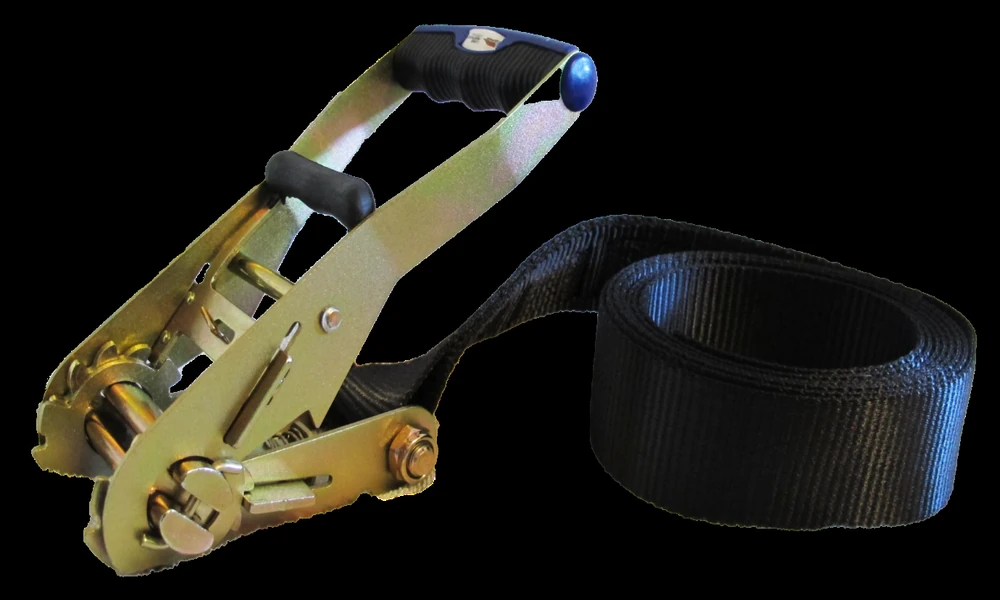
Whether you’re hauling a load of firewood, securing furniture during a move, or tying down equipment on a work trailer, the right load restraint makes the difference between an uneventful trip and a genuinely dangerous situation on the road. Choosing the right ratchet straps for the specific job isn’t just about grabbing whatever’s cheapest, it’s a genuine safety decision that Australian road rules take seriously.
Here’s what actually matters when selecting ratchet straps, beyond just picking a length that looks about right.
Understanding Rated Capacity
Every quality ratchet strap comes with a rated capacity, usually expressed as a Working Load Limit, and this figure matters far more than the strap’s breaking strength alone. The Working Load Limit represents the safe maximum load the strap should be used for under normal conditions, with a built-in safety margin below the point where the strap would actually fail. Using a strap rated well below your load’s actual weight is one of the most common and dangerous mistakes people make.
For securing a load correctly under Australian load restraint guidelines, the combined Working Load Limit of all straps used generally needs to meet a proportion of the load’s total weight, depending on the direction of force being restrained. This isn’t just red tape, it reflects the genuine physics of what happens to an unsecured or under-secured load during braking or cornering.
Matching Strap Width and Length to the Load
Wider straps generally offer higher Working Load Limits and are the better choice for heavier loads, while narrower straps suit lighter items where a bulkier strap would be unnecessary or impractical. Length matters too, since a strap that’s too short leaves little room for proper tensioning, while an excessively long strap creates more loose material that needs securing to avoid it flapping or becoming a hazard during transit.
Hook Types Matter More Than People Expect
Ratchet straps come with a variety of hook styles, including S-hooks, J-hooks, and flat hooks, each suited to different anchor points. Using the wrong hook type for your vehicle or trailer’s tie-down points can result in a less secure connection than intended, even if the strap itself is correctly rated for the load. It’s worth checking your specific anchor points and choosing a strap with a compatible hook style rather than assuming any hook will do.
- Light loads (furniture, small trailers): narrower straps around 25mm generally suffice.
- Medium loads (general trade and hardware): 38mm to 50mm straps offer a solid working capacity.
- Heavy loads (machinery, structural items): wider 75mm straps rated for higher Working Load Limits.
- Always check for fraying, cuts or UV damage before each use, regardless of strap width.
Maintenance Extends Strap Life Significantly
Ratchet straps degrade over time, particularly with UV exposure, moisture, and general wear from regular use. Storing straps dry, away from direct sunlight when not in use, and inspecting them regularly for fraying, cuts or damaged stitching goes a long way toward extending their working life. A strap showing any of these signs should be retired rather than pressed into service for one more trip, since the whole point of a rated strap is knowing it will actually perform to that rating.
Combining Straps With Other Restraint Equipment
For larger or irregularly shaped loads, ratchet straps often work best in combination with other restraint equipment like load bars, cargo nets, or chocks to prevent lateral movement. Relying on straps alone for a load that could shift sideways or roll is a common oversight, particularly with cylindrical items like pipes or drums, where straps need to be paired with physical blocking to genuinely prevent movement in every direction.
It’s also worth having a basic understanding of your vehicle or trailer’s own rated tie-down points, since even a perfectly rated strap is only as strong as the anchor point it’s attached to. Aftermarket tie-down points installed without proper backing or reinforcement are a common weak link that undermines an otherwise well-executed restraint setup.
Final Thoughts
Choosing the right ratchet strap comes down to matching rated capacity, width and hook type to your specific load, and maintaining the straps properly once you own them. It’s a small investment of attention that makes a genuine difference to safety on the road, both for you and for other drivers sharing it.
Whatever you’re securing, taking the extra few minutes to select the correctly rated strap for the job, and to check it over before each use, is a small effort that consistently pays off in genuine peace of mind on the road.
It’s also worth understanding that different states and territories, along with the national Load Restraint Guide, set out specific requirements depending on vehicle type and load category. While the core principles remain consistent, checking the current national guidelines, or simply asking a reputable supplier for advice on your specific situation, ensures you’re not relying on outdated assumptions about what’s genuinely required.
Getting this right consistently, rather than just on the loads that feel obviously risky, is what separates drivers who never think twice about their restraint setup from those who eventually learn the hard way why the guidelines exist in the first place. This small extra diligence is especially worthwhile before any long-distance trip where a shifted load could go unnoticed for hours. Taking that extra minute before setting off is a small habit that consistently prevents much bigger problems from developing once you’re already on the road.