
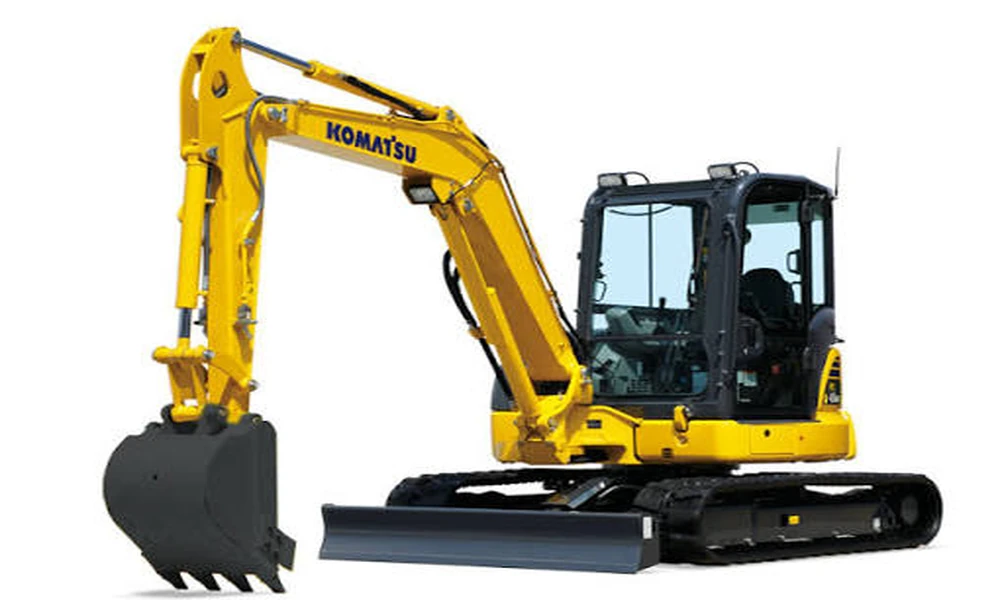
Whether you’re putting in a new retaining wall, digging trenches for irrigation, or clearing ground for a shed slab, a mini excavator turns a weekend of backbreaking manual digging into a job that’s done in a few focused hours. Arranging excavator hire Bendigo homeowners and tradies rely on has become a popular alternative to either doing the job by hand or paying a contractor for full excavation services.
Before you book one, though, there are a few practical things worth understanding to make sure the job goes smoothly and safely.
Confirm You’re Digging in the Right Spot
The single most important step before any excavation work, hired equipment or otherwise, is confirming what’s underground. A Dial Before You Dig request is free, straightforward, and takes the guesswork out of where gas, water, power and telecommunications services run through your property. Skipping this step is how minor landscaping jobs turn into expensive, dangerous incidents involving a severed service line.
It’s also worth checking your local council requirements if the work involves anything close to a boundary, an easement, or a significant change to ground levels. Bendigo’s council has specific rules around stormwater management and retaining structures that can catch homeowners out if they assume DIY landscaping doesn’t need any approval.
Choosing the Right Size Excavator for the Job
Mini excavators typically range from around one to five tonnes, and the right size depends heavily on both the job and site access. A 1.7-tonne machine might be perfect for garden beds and small trenching work but underpowered for a large retaining wall footing, while a larger machine that can’t physically fit through a side gate is no use at all no matter how capable it is. Measuring your access points before booking saves the hassle of a machine arriving that simply can’t get to where it’s needed.
Attachments Make a Bigger Difference Than People Expect
The bucket that comes standard with most hire excavators isn’t always the right tool for the job. Trenching buckets, auger attachments for post holes, and rippers for breaking up compacted or rocky ground can dramatically change how efficiently a job gets done. It’s worth discussing the specific task with the hire company, since the right attachment often turns a two-day job into a half-day one.
- Garden beds and small trenches: a compact 1.5-2 tonne excavator is usually sufficient.
- Retaining walls and footings: a 3-5 tonne machine with a trenching bucket for consistent depth.
- Post holes for fencing or decking: an auger attachment saves significant manual labour.
- Rocky or heavily compacted soil: a ripper attachment or breaker may be needed.
Operating Safely if You Haven’t Used One Before
Mini excavators are more intuitive than people expect, but they’re still heavy machinery capable of serious harm if used carelessly. Most reputable hire companies will run through basic operation and safety procedures before handover, and it’s worth taking the time to properly understand the controls rather than rushing to get started. Working on a slope, near a trench edge, or close to structures all require extra care that’s worth confirming before you begin.
What’s Typically Included in a Hire Package
A straightforward hire usually includes the machine, transport delivery and pickup, and basic attachments like a standard digging bucket. Fuel, on the other hand, is commonly the hirer’s responsibility, and it’s worth clarifying this upfront so there are no surprises when the machine is returned. Many hire companies around Bendigo also offer optional extras like trailer hire if you need to move materials, or an additional bucket size for a small extra fee, which can be more cost-effective than booking two separate machines for a job that needs different digging widths at different stages.
It’s also worth asking about the hire period itself. A half-day rate might look appealing, but underestimating how long a job will actually take is one of the most common reasons DIY excavation projects run over budget. Being realistic about the scope of digging, especially if you haven’t operated a machine before, and booking a full day rather than squeezing the job into a tight half-day window generally leads to a far less stressful experience.
Site Access and Delivery Logistics
Bendigo’s mix of established inner suburbs and newer outer developments means access varies enormously from property to property. Narrow side gates, steep driveways, and overhead power lines near the delivery point can all affect what size machine can reasonably be delivered and unloaded safely. A quick phone conversation describing your access, including gate widths and any obstacles between the street and the work area, before the hire company sends a truck saves everyone time and avoids a wasted trip if the machine simply won’t fit, and it’s a step experienced Bendigo hire companies will always ask about before confirming a booking.
Final Thoughts
A hired mini excavator can save an enormous amount of time and physical effort on the right project, but a bit of upfront planning around access, service locations and the correct machine size makes the difference between a smooth job and a frustrating one. Talk through your specific project with the hire company before booking, and you’ll get far more value out of the machine once it’s on site.
It’s also worth asking the hire company about weight limits for the machine relative to your ground conditions. Soft or recently rained-on ground can cause a heavier excavator to sink or become unstable, and an experienced operator or hire company will be able to advise whether ground protection mats are worth adding to the booking for particularly soft sites around Bendigo’s clay-heavy soils.