
Drive from Curtis Park out to Natomas and you pass through about a century of roofing history in twenty minutes. Steep bungalow gables give way to long, low ranch roofs, then to rows of composition shingle tracts, and finally to the concrete tile that covers most newer subdivisions. Each of those roofs was built with the materials and habits of its decade, and each one ages in its own particular way.
That’s why two neighbors asking the same question, “do I need a new roof?”, can get completely different answers. The house’s birth year often tells you more than the shingles do.
Anyone vetting a roofing company in Sacramento will notice that the good ones ask about the age of the home before talking price. Maginis Roofing, based in Rancho Cordova, works across that whole timeline, from older homes in Carmichael and Fair Oaks to newer streets in Elk Grove and Folsom, offering inspections, repairs, residential roofing and gutter work, all backed by a satisfaction guarantee. What follows is a look at what those house eras tend to reveal once someone actually gets up top.
Prewar Bungalows and the Layers Nobody Remembers
Homes built in the 1920s through the 1940s, the kind found in Land Park, East Sacramento, Midtown and Oak Park, have usually been reroofed three or four times. That history matters, because earlier owners didn’t always tear off the old roof first.
It’s common to find a layer of asphalt shingles sitting on top of another layer, sometimes over the original wood shakes. Building codes generally cap residential roofs at two layers, so a third reroof almost always means a full tear off down to the decking.
Then comes the surprise underneath. Wood shake roofs were nailed to spaced boards called skip sheathing, with gaps between them so the shakes could breathe. Asphalt shingles need a solid surface, so these homes often need new plywood laid over the old boards before anything else can happen. Older roofs can also hide materials made with asbestos, particularly in old felt or cement shingles, which calls for proper testing before removal.
Chimneys add one more wrinkle. Brick that has stood for ninety years tends to shift, and the flashing around it is frequently patched with layers of tar instead of being properly replaced.
Postwar Ranch Homes and the Trouble With Low Pitch
The building boom that followed the war, fueled in this area by Mather Air Force Base and Aerojet, filled Rancho Cordova, Carmichael, Arden-Arcade and Citrus Heights with single story ranch homes. Their low, wide rooflines look great, but a gentle slope sheds water slowly.
Asphalt shingles aren’t meant for very flat sections at all, and roofs on the shallow end of the acceptable range need extra underlayment to stay watertight. Many of these houses also picked up additions over the years, a family room or a patio cover tied into the main roof at an awkward angle, often finished with rolled roofing or old tar and gravel. Those joints between old and new sections are where leaks tend to start.
Ranch homes often have shallow attics too, with little room for airflow. Heat builds up under the deck all summer, which shortens shingle life on a roof that’s already working against gravity.
Tract Homes From the Seventies Through the Nineties
The neighborhoods that spread across Citrus Heights, Elk Grove, older parts of Folsom and much of Rancho Cordova in these decades usually carry composition shingles on fairly simple rooflines. They’re the easiest roofs in the region to replace, though they come with their own quirks.
Skylights were wildly popular in the 1980s, and the original units are now well past their prime. Cracked domes and tired curb flashing are among the most frequent leak sources in these homes. Ventilation is the other recurring weak spot. Many tracts were built with a handful of small roof vents that don’t come close to moving enough air out of a valley attic in August.
Some homes from the late eighties and nineties went with early concrete tile instead, which leads directly into the next group.
Newer Subdivisions Where the Tile Looks Fine
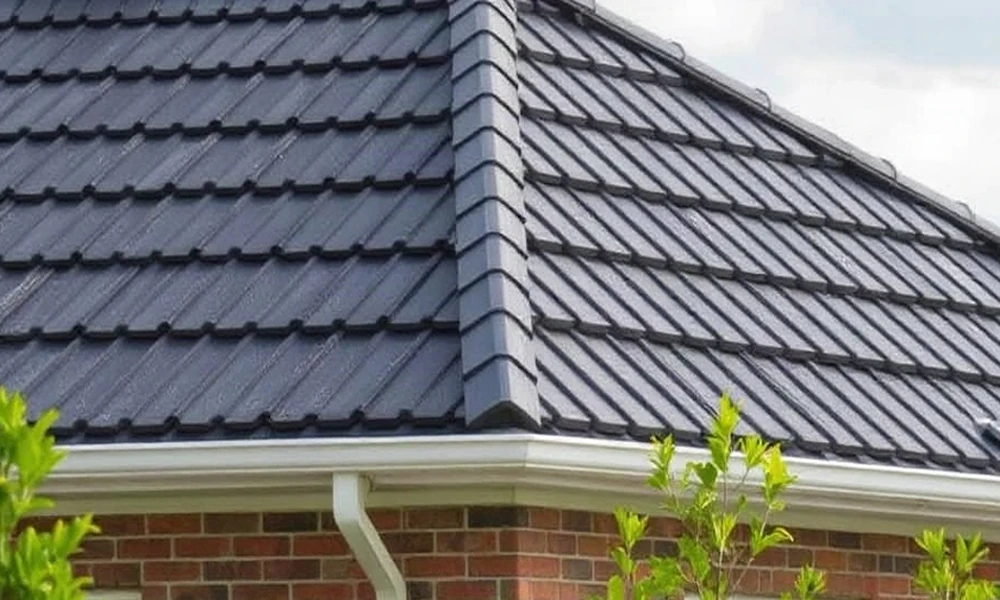
From the late 1990s on, concrete tile became the default across Natomas, Elk Grove, Folsom and newer Rancho Cordova communities. The tiles themselves can easily outlast the mortgage. The problem is everything beneath them.
Tile is mostly a sun shield. The real waterproofing is the underlayment below it, and the felt used on many of these homes was rated for roughly twenty to twenty five years. A lot of those roofs are reaching that point now. The fix is usually lifting the tiles, replacing the underlayment and battens, and resetting the original tiles with any broken ones swapped out.
Broken tiles deserve a mention of their own. Solar installers, satellite techs and holiday light hangers all walk these roofs, and concrete tile cracks under a careless step. Complex rooflines with several valleys also collect leaves from the region’s many street trees, which hold water right where the roof is most vulnerable.
Questions Worth Asking, Whatever the Era
No matter when your house was built, a few questions will sharpen any estimate you receive.
- How many layers are on the roof now, and will the bid include a full tear off?
- What condition is the decking in, and how will soft or spaced boards be priced if they’re found?
- Is ventilation being checked and upgraded, or simply reused as it is?
- For tile roofs, is the bid for underlayment replacement, and how are broken tiles handled?
- If solar is already installed or planned, who removes and reinstalls the panels?
It’s also smart to confirm the contractor’s license before signing anything. The Contractors State License Board lets you look up any California license by name or number, including its status, bonding and workers’ compensation coverage.
Reading the House Before the Roof
A roof never really stands alone. It carries the decisions of every builder and owner who came before, from skipped tear offs to undersized vents to tile laid over felt with an expiration date. Knowing which era your home belongs to gives you a head start on the right questions.
When you understand what your particular generation of house tends to hide, an inspection stops feeling like a mystery and starts feeling like a conversation. That’s usually how homeowners end up with a roof that suits the house it sits on, instead of one that simply covers it.