
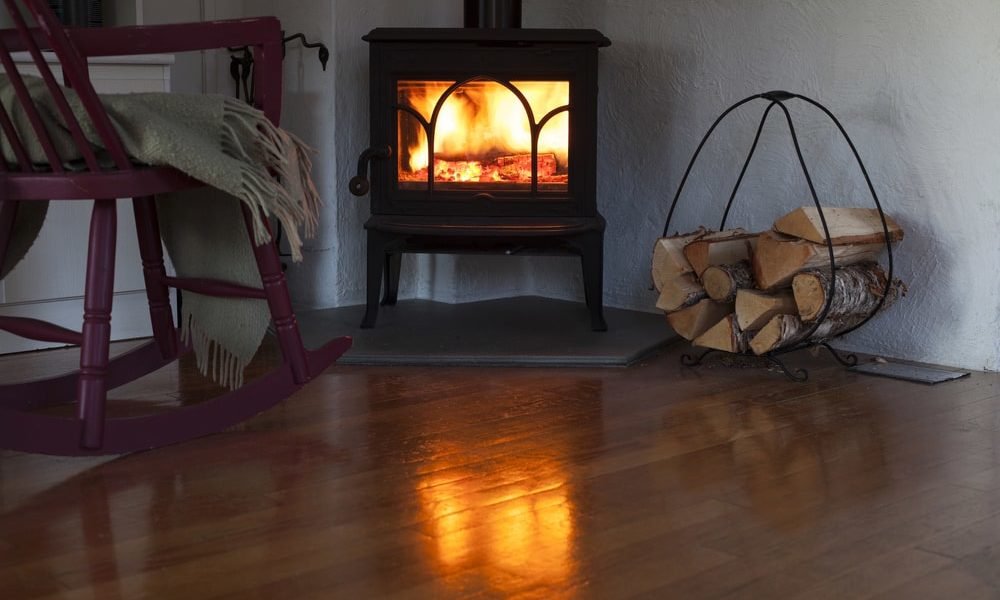
Buying a stove for your home is a big decision. It’s not just about finding something that looks good in the living room. A stove needs to heat your space properly, suit your lifestyle, work with your chimney or flue setup, and meet UK regulations. With so many types available—wood burning, multi-fuel, gas, electric, inset, freestanding—it’s easy to feel overwhelmed.
Here’s a simple, practical guide to help you choose the right stove for your home, without the jargon or confusion.
Decide What Type of Stove You Want
Different stoves offer different benefits. Understanding the main options makes the choice much easier.
Wood Burning Stoves
These burn seasoned logs and produce a natural, traditional flame. They’re popular for their cosy feel and low running cost when using properly dried wood.
Multi-Fuel Stoves
These can burn wood, smokeless coal and other approved fuels. They offer flexibility, especially for homes that want longer burn times overnight.
Gas Stoves
Great for convenience. Turn them on with a button and enjoy instant heat. They’re clean, easy to use and still give the look of real flames.
Electric Stoves
Perfect for homes without a chimney. They can be placed almost anywhere and create a warm, realistic flame effect with little maintenance.
Check if You Live in a Smoke Control Area
Many towns and cities in the UK fall under smoke control rules. If you live in one, you need a DEFRA-approved stove or a fuel that’s permitted for your area.
This doesn’t limit your choices, but it does mean checking the stove’s rating before buying. Most modern wood burners and multi-fuel stoves now meet these requirements.
Choose the Right Heat Output (kW)
The most common mistake people make is choosing a stove that’s too powerful.
Too much heat makes the room uncomfortably warm. Too little heat means the stove struggles to warm the space.
As a simple rule:
- Small rooms (under 45m³): 3–4kW
- Medium rooms (45–90m³): 5–6kW
- Large rooms (over 90m³): 7–8kW+
A stove specialist can calculate this properly, but the estimates above give a clear starting point
Think About the Style: Freestanding or Inset
The design of the stove changes how it looks and fits into your home.
Freestanding Stoves
These sit on a hearth and can be placed in a fireplace opening or out in the room. They create a classic wood-burner look and suit both modern and traditional homes.
Inset Stoves
These are built into the wall or existing fireplace. They save space and look sleek, making them a good choice for contemporary interiors.
Check Your Chimney or Flue Requirements
Before choosing a stove, think about how the smoke or fumes will leave your home:
- Homes with a chimney: Usually straightforward; you may need a flue liner.
- Homes without a chimney: You can use a twin-wall flue system or choose a gas or electric stove.
- Flats & new builds: Electric stoves are popular because they require no flue.
A quick survey usually confirms what setup you need.
Consider Running Costs
Different fuels have different costs:
- Logs: Cheapest if you buy in bulk or season them yourself.
- Smokeless coal: Burns longer but costs more.
- Gas: Easy to control and efficient.
- Electric: Easiest to install but can be the most expensive to run.
Think about how often you’ll use the stove—every evening, weekends only, or occasionally for atmosphere.
Look for High Efficiency Ratings
Modern stoves are far more efficient than older ones. Look for:
- Eco-design approved models
- Cleanburn technology
- Airwash systems to keep the glass clear
These features mean more heat into the room, less heat wasted, and cleaner burning.
Measure Your Space Carefully
Before you fall in love with a stove, measure:
- The fireplace opening (if using one)
- Hearth size
- Distance to walls, furniture and beam above
- Ceiling height
- The overall room layout
Stoves need safe clearances around them. A stove that’s too large for the opening or too close to the wall can’t be installed legally.
Think About Everyday Use and Maintenance
Ask yourself:
- Do you want the ritual of lighting logs?
- Would you prefer a stove that turns on instantly?
- Do you mind cleaning out ash trays?
- Do you want a stove that works during power cuts?
The right stove fits naturally into your lifestyle, not the other way around.
Set a Realistic Budget
Your budget should include:
- The stove itself
- The flue or flue liner
- Hearth costs
- Installation
- Carbon monoxide alarm (required by law)
A safe installation done by a HETAS engineer is essential. It protects your home, keeps you compliant with regulations, and ensures the stove performs properly.
It’s About Balancing
Choosing the right stove for your home in the UK is all about balancing style, heat output, fuel type and the features that matter most to you. When you pick the right one, it becomes the heart of the home—a warm, cosy and inviting space you’ll enjoy for years.
