
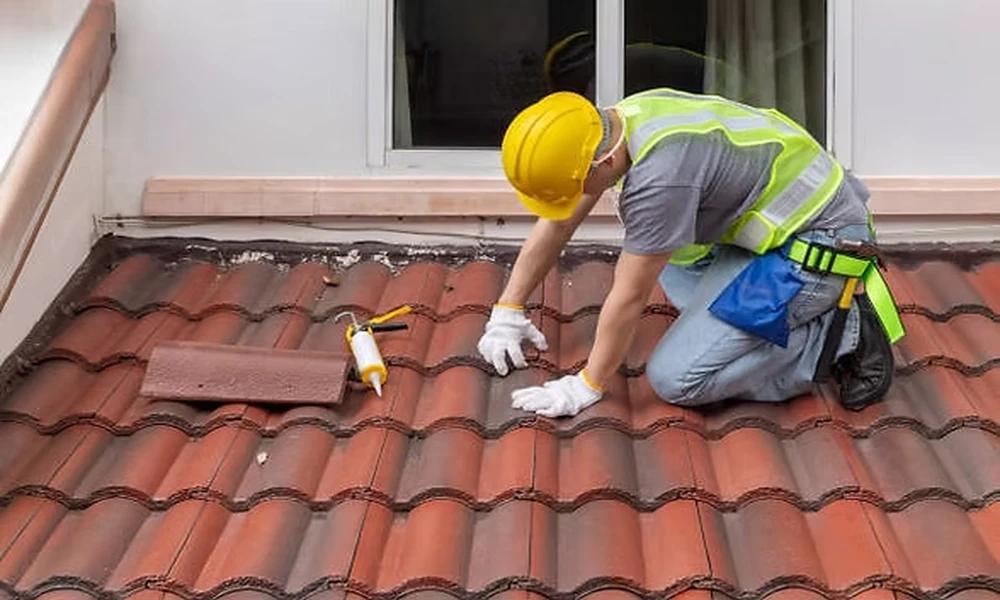
The second leak shows up in the same spot, eight inches from where the first one was patched, and that is when most building owners realize they have been treating a symptom for two years. I have watched this exact scene play out on strip centers, warehouses, and small office buildings around Tulsa. So here is the honest version of how commercial roofs go bad, what a real repair versus a replacement decision looks like, and how to tell whether the contractor standing on your roof is diagnosing or just selling.
Why Oklahoma Is Brutal on Flat and Low-Slope Roofs
Tulsa sits in a part of the country where the same roof has to survive hail, 100 degree afternoons, and freeze-thaw cycles that push water into seams. According to the National Weather Service, this region regularly sees severe convective storms, which means large hail and high winds are not rare events, they are seasonal expectations. Membrane gets pounded, fasteners work loose, and every small penetration becomes a starting point.
Then summer does the slower damage. A dark TPO or modified bitumen surface can hit temperatures well above the ambient air, and that thermal cycling expands and contracts the membrane hundreds of times a year. Seams that were welded perfectly in April are the same seams that crack by September. I would take a slightly thicker membrane and better flashing detail over a fancy top coat every single time, because the failure almost never starts in the field of the roof.
The Five Places Commercial Roofs Really Fail
Ask any experienced roofer where the water is coming from and they will point at the same short list. Water almost always enters at a transition, not in the middle of a clean field of membrane.
- Drain and scupper details. Debris clogs the strainer, ponding starts, and the seam around the drain ring fails first.
- Penetrations. HVAC curbs, vent stacks, conduit supports. Every one of these is a hole someone sealed and weather has been working on since.
- Terminations and edge metal. Wind gets under loose coping, and once it does, it peels the membrane back from the wall.
- Seams. Poorly welded or aged seams open up, especially on older roofs that have already been patched in the same area more than once.
- Wet insulation. This is the quiet one. Saturated insulation loses its R-value, adds weight, and keeps the deck damp long after the visible leak is fixed.
Wet insulation is why a cheap patch can feel like a win and still be a loss. You stopped the drip over your desk, but the deck underneath keeps deteriorating. A moisture survey, either infrared or core samples, is what separates a real diagnosis from a guess.
The Repair or Replace Call, With Real Numbers
Here is the framework I use when a building owner asks whether to patch or replace. Call it the three-question test.
- How much of the roof is affected? If the damaged area is under roughly a quarter of the total surface and the rest of the membrane tests dry, repair makes sense. Past that, you are funding a slow replacement one invoice at a time.
- How old is the system? Most commercial membranes land in a 15 to 25 year service window depending on material and installation quality. A repair at year 8 is smart. A repair at year 22 is buying time, and you should know that going in.
- Has this area failed before? The same spot leaking three times means the underlying detail is wrong, not the patch.
On the money side, a targeted commercial roof repair in this market commonly lands in the low thousands, while a full replacement on a mid-size building runs into the tens of thousands and up. Those numbers swing hard based on square footage, membrane type, insulation thickness, and how much of the deck needs work. Any contractor who quotes a firm replacement price from the parking lot is guessing.
What to Demand From a Commercial Roofing Tulsa Contractor
This is where most owners get burned, so let me be blunt. A one page proposal with a price and a handshake is not a proposal. When you are evaluating commercial roofing in Tulsa providers, hold every bid to the same bar and compare like for like.
I would ask for five things before signing anything:
- A written inspection report with photos of every problem area, not just the ones being repaired.
- Specifications. Membrane manufacturer, thickness, attachment method, insulation R-value, and flashing details in writing.
- Manufacturer certifications. This is not marketing fluff. Certified installers can register the warranty with the manufacturer, and that warranty is worth dramatically more than a contractor’s own paper promise.
- A clear scope on tear-off versus re-cover. Re-covering is cheaper and legal in many cases, but it caps how well anyone can inspect the deck.
- Lien waivers from subcontractors at final payment, so you are not the one holding the bag if the roofer and their supplier have a dispute.
Also ask who is actually on your roof. A company that sends its own crews has control over quality and schedule. A company that brokers the job out to whoever is available that week does not. I know which one I would hire, and it is not close.
The Maintenance Piece Nobody Wants to Pay For
Twice a year, someone walks your roof, clears the drains, checks the flashing, and photographs everything. That is it. Building owners skip it because nothing is leaking, then spend five figures because a clogged drain sat through a spring storm season. The math is not subtle.
If you want to think about it the way safety professionals do, the Occupational Safety and Health Administration treats falls as one of the leading causes of serious work related injury, which is exactly why you should not be the one climbing up there with a hose. Let the crew with harnesses and insurance handle it.
A Quick Scenario Worth Stealing
A 22,000 square foot warehouse off a busy commercial corridor, built in the late 1990s, TPO membrane, three leaks near HVAC units. The owner had paid for four patches over three years. An infrared scan showed saturated insulation across roughly a third of the field, concentrated along the units and one drainage path. The repair quotes were cheap and the replacement quote was terrifying, which is usually the setup for a bad decision.
The right answer there was a partial replacement: tear off and rebuild the affected third, add crickets to redirect water away from the curbs, re-flash every unit, and leave the dry section alone with a maintenance plan attached. It cost less than a full replacement and more than a patch, and it addressed the actual cause instead of the visible symptom. That is the whole game.
For context on why material selection and installation specs matter long term, the National Institute of Standards and Technology does extensive work on building performance and materials, and the general principle holds across construction: how a system is specified and installed determines how it performs, not how it was advertised.
Your Next Move
Stop paying for the same repair twice. Get a written inspection with photos, demand specifications and manufacturer certifications in writing, and compare every bid against the same scope. If a contractor cannot show you why your roof is failing and what the fix looks like in detail, they are selling you a patch, not a solution.
Get the inspection scheduled before the next storm season, and get it from someone who will put their findings in writing. What does your roof look like right now, honestly?