
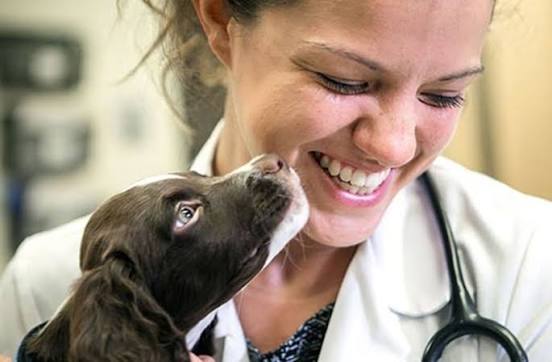
You notice something small, then your mind starts racing. Your dog skips breakfast. Your cat hides more than usual. Your new puppy chews everything and you are not sure what is normal, what is training, and what is a health issue. Caring for a pet often feels like making constant judgment calls with very little room for error, especially when the one depending on you cannot explain what hurts. A trusted West Palm Beach veterinarian can help you make sense of those moments with confidence.
That is where how animal clinics support pet owners through education becomes more than a nice extra. It becomes part of good care. An animal clinic does not just treat illness. It helps you understand prevention, behavior, nutrition, vaccines, parasites, and warning signs so you can make calmer, better decisions at home.
Pet owner education turns stress into clearer decisions
Most pet owners are not looking for a lecture. You want straight answers, plain language, and help sorting out what matters now versus what can wait. A clinic that prioritizes education gives you that. During exams, follow up calls, discharge instructions, and wellness visits, the team can explain what they are seeing, why they recommend a test or treatment, and what changes you should watch for once you get home.
That guidance matters because small misunderstandings can grow fast. A missed dental issue can become pain and infection. A feeding habit that seems harmless can lead to weight gain, stomach upset, or nutrient gaps. A skipped vaccine or parasite prevention plan can leave your pet exposed to avoidable disease. The Centers for Disease Control and Prevention offers useful guidance on healthy pets and safe pet ownership, and clinics often help translate public health advice into daily routines that fit your household.
Education also helps with the emotional side of pet care. When your pet is sick, fear tends to fill in the blanks. You may assume the worst, delay care because you are unsure, or search online until every symptom sounds urgent. Veterinary teams can narrow the noise. They can tell you which symptoms need same day attention, which ones call for monitoring, and how to track appetite, water intake, bathroom habits, mobility, and behavior in a way that actually helps.
Animal clinic education supports prevention, not just treatment
Many people think of a clinic visit as something that happens after a problem starts. Good education shifts that pattern. It teaches you how to prevent common issues before they become painful or expensive. That includes vaccine schedules, spay and neuter discussions, dental care, weight management, parasite control, senior pet screening, and breed specific risks.
A simple example is ear infections. A dog that swims often or has floppy ears may be more prone to them. If a clinic teaches you what healthy ears look and smell like, how to clean them safely, and when to come in, you are less likely to miss the early stage. The same goes for cats who hide illness well. By learning subtle signs such as reduced grooming, litter box changes, or quiet withdrawal, you may catch disease sooner.
Veterinary education for pet owners also improves follow through. People are more likely to give medication correctly, complete treatment plans, and return for rechecks when they understand the reason behind the plan. Clear teaching reduces mistakes and builds trust, which helps pets in a very direct way.
Reliable pet health information protects you from bad advice
Pet owners are flooded with opinions. Raw diet claims, supplement trends, social media training tips, and home remedy videos can sound convincing when you are worried and trying to help. Some advice is harmless. Some of it delays care or creates new problems. Clinics act as a filter. They can point you to sources grounded in veterinary medicine, including the Cornell pet health education library, and explain how general guidance applies to your pet’s age, breed, medical history, and lifestyle.
This is especially useful with chronic conditions. If your pet has diabetes, arthritis, kidney disease, allergies, or seizures, your day to day choices matter. Food, activity, home setup, medication timing, and stress can all affect outcomes. A clinic that teaches well gives you a workable plan instead of a stack of confusing instructions.
Home research and animal clinic guidance serve different roles
| Approach | What It Helps With | Limits |
|---|---|---|
| Online pet research | Learning general terms, reading about common symptoms, preparing questions before a visit | Does not examine your pet, can be inaccurate, often misses urgency and context |
| Animal clinic education | Personalized advice, physical exam findings, treatment instructions, prevention plans | Requires an appointment and follow through at home |
| Combined approach | Better understanding, stronger communication, more confidence in care decisions | Works best when online information comes from trusted medical sources |
pet care education from animal clinics works best when it meets you where you are. Some owners need help with first puppy vaccines and crate training. Others need support through end of life decisions. The value is not only in the facts. It is in having a professional explain those facts in a way that fits your real life, your budget, and your pet.
Clear steps help you get more from every animal clinic visit
1. Bring a short list of changes you have noticed.
Write down symptoms, when they started, how often they happen, and what has changed with eating, drinking, sleep, activity, or bathroom habits. A one minute summary gives the clinic a clearer picture and leads to better teaching.
2. Ask for home care instructions in plain language.
If a medication schedule, diet plan, or recovery step feels confusing, say so. Ask the team to show you how to clean ears, give pills, check gums, trim nails, or monitor a wound. A quick demonstration can prevent a week of guesswork.
3. Use clinic approved learning resources between visits.
Ask which websites, handouts, or videos they trust. That gives you a safer way to keep learning without falling into panic driven searching or bad advice from strangers online.
Education makes animal clinic care more useful at home
The best clinic visits do not end at the exam room door. They give you practical knowledge you can use the same day, whether that means spotting early illness, feeding more wisely, handling medication with less stress, or understanding when your pet needs urgent care. That kind of support eases worry because you are no longer guessing through every decision.
Your pet depends on you, and you do not need to know everything at once. You need good information, clear guidance, and a clinic that treats education as part of care. Reach out to a trusted animal clinic and ask for help understanding your pet’s health, habits, and next steps.