
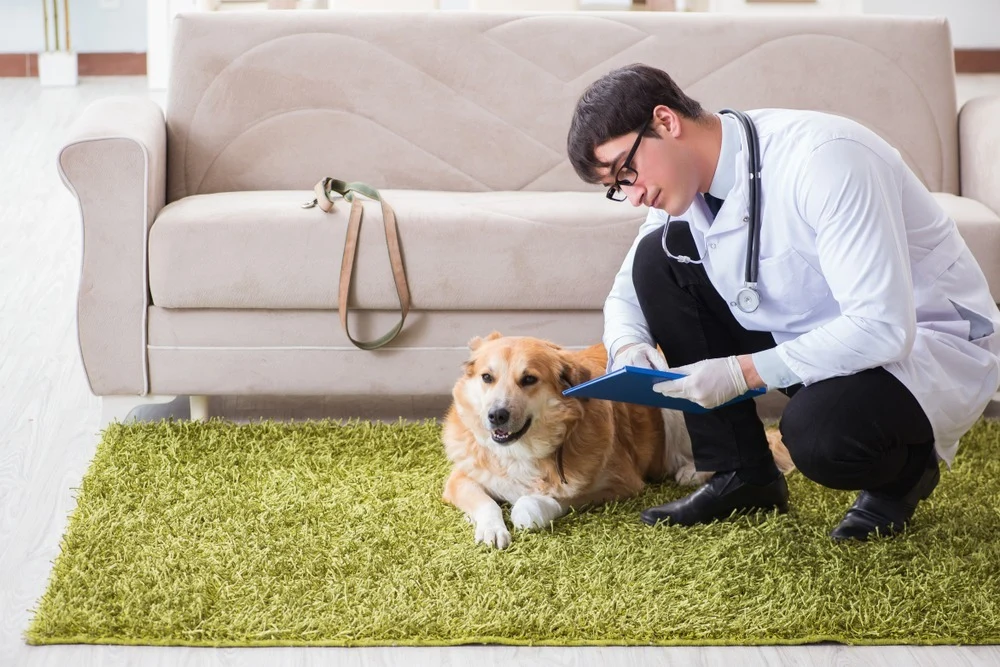
You know your pet better than anyone. You can tell when the pace of their breathing feels off, when they stop greeting you at the door, or when a simple car ride turns into panic, drooling, shaking, and a long, miserable day. When your animal needs care, getting them to a clinic is not always the kind, practical, or even safe option. That is where a mobile veterinarian often makes the most sense, offering preventative veterinary care brought to your doorstep.
For many families, the hardest part is not deciding whether their pet needs help. It is figuring out how to get that help without making things worse. A house call vet can reduce stress, limit pain during transport, and make difficult moments more peaceful. The right choice depends on your pet’s condition, your home setup, and whether the problem is urgent enough for hospital level care. If your pet is having a true emergency, such as collapse, severe bleeding, trouble breathing, or suspected poisoning, go straight to an emergency hospital. Ohio State’s pet emergency and critical care guidance gives a clear picture of what counts as urgent.
Severe anxiety and transport stress make mobile veterinary care the better option
Some pets do not just dislike the car. They unravel in it. You may have a cat who hides for hours after every appointment, or a senior dog who cries the moment you pick up the leash because he knows what comes next. That stress changes the whole visit. Heart rate goes up, breathing changes, muscles tense, and a basic exam becomes harder for everyone.
In those cases, mobile veterinary care gives your pet a fairer experience. At home, the smells are familiar, the floor is steady, and there is no waiting room filled with strange animals and sounds. A veterinarian can often get a more accurate read on behavior, mobility, appetite, and comfort when your pet is in their normal space.
This matters even more for cats, reactive dogs, and pets with a history of fear based behavior. A clinic visit can turn into a cycle. Your pet panics, the exam is rushed, you dread going back, and routine care gets delayed. Home visits can break that cycle before a manageable issue becomes a larger one.
Mobility problems, chronic pain, and end of life care often call for a house call vet
Moving a pet with arthritis, weakness, spinal disease, or late stage illness is not a small task. You may be lifting a large dog who cannot stand well, coaxing an old cat out from under the bed, or trying not to hurt an animal who already looks exhausted. Even if you can manage the trip, the strain can leave your pet sore for the rest of the day.
A house call vet is often the best fit here because the exam comes to your pet, not the other way around. The veterinarian can assess pain, hydration, appetite, skin issues, medication response, and quality of life in the place where your pet actually lives. That home view matters. It shows whether your dog can reach the water bowl, whether your cat still uses the litter box comfortably, and how much support daily life now requires.
This becomes especially meaningful near the end of life. Families facing that stage are usually carrying grief before the loss has even happened. They are trying to be brave, practical, and kind all at once. Home based visits for hospice support or euthanasia can give your pet peace and give you room to say goodbye without a rushed drive or a bright exam room. Cornell’s pet loss resources and support can help if you are in that space and need guidance after a loss or while preparing for one.
Multi pet households and busy schedules can make a mobile veterinarian more practical
Sometimes the issue is not fear or pain. It is logistics. You may have three pets due for vaccines, an indoor cat who has not seen a carrier willingly in years, or a workday packed so tightly that one clinic appointment throws off everything else. In those cases, a mobile veterinarian can save more than time. It can reduce missed care.
Routine care often gets pushed back because the process around it feels too hard. One pet needs a separate appointment. Another gets carsick. Someone has to leave work early. By the time you sort it all out, weeks have passed. Home visits can simplify wellness exams, follow ups, basic diagnostics, and medication checks, especially when several animals need attention at once.
That convenience is not just about your calendar. It also helps pets who feed off each other’s stress. If one dog gets anxious, the others may start pacing too. If one cat returns from the clinic smelling unfamiliar, conflict can break out at home. Keeping care in one familiar setting can lower that disruption.
Mobile vet care and clinic care serve different needs
| Situation | Mobile Veterinarian | Traditional Clinic |
|---|---|---|
| Anxious pet that becomes hard to examine in transit | Often the better choice because the pet stays in a familiar space | Can work, but stress may affect behavior and exam findings |
| Senior pet with pain or limited mobility | Strong option for exams, medication review, and quality of life checks | Useful if imaging or advanced procedures are needed on site |
| End of life support | Often more peaceful for the pet and family | Appropriate if home service is unavailable or hospital support is preferred |
| Routine care for several pets | Efficient and less disruptive for the household | May require multiple trips and added handling stress |
| Breathing trouble, collapse, severe trauma, active seizures | Usually not appropriate if immediate hospital equipment is needed | Best choice for urgent treatment and monitoring |
Clear next steps help you choose the right veterinary service
1. Look at your pet’s response to travel, not just the medical issue. A mild skin problem may still be better handled at home if the trip causes panic or physical pain. On the other hand, a calm pet with a complex condition may do well in a clinic where more tools are available.
2. Ask what can be done during a home visit. Not every mobile vet service offers the same care. Some provide wellness exams, vaccines, diagnostics, and quality of life visits. Others focus on hospice or urgent in home support. Ask about testing, medications, follow up care, and what would require referral to a hospital.
3. Make an emergency plan before you need one. A mobile appointment is not a substitute for emergency care. Keep the nearest emergency hospital address handy, know your route, and recognize red flag symptoms like labored breathing, collapse, severe bleeding, and sudden extreme lethargy.
The best care is the care your pet can actually receive safely and with the least distress. For many families, that means recognizing when a clinic trip adds strain that serves no real purpose. In those moments, a mobile vet is not a luxury. It is the better fit for the animal in front of you. If your pet is struggling with travel, pain, or end of life changes, reach out to a mobile veterinary service and ask what support is available in your home.