

Engineering services play a critical role in the creation, preservation, and enhancement of places where people work and live. Almost every component of modern infrastructure requires engineering, spanning from roads and bridges to drainage systems, commercial buildings, water, transportation facilities, and more. They combine a range of technical expertise, planning, creativity, and problem-solving into practical projects that become safe and functional. With the continuous expansion of cities, the long-term need for effective and reliable engineering solutions is rising. Professionals need to take into account safety, the environment, project costs, long-term durability, and upkeep issues. For projects with facilities that will serve large communities, Public Infrastructure Engineering is a significant way of weaving these considerations into the project.
Work out a plan for projects that will have a long-term benefit
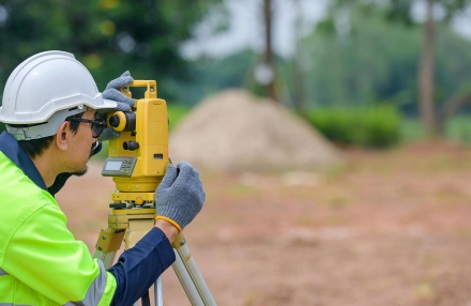
The key to successful engineering is to get things right before the construction efforts do. The engineering team investigates the area, does research on the existing systems, designs solutions, estimates the materials needed, and provides estimates of potential problems. Careful planning is key to avoiding expensive pitfalls and ensuring a smoother building process. A key aspect of civil engineering services is primarily in the realm of infrastructure, including structural design, transportation, land development, drainage, utilities, and more. These services aim to ensure that projects are technically completed and not just suited for implementation but also for the people who will use them. The approach is much more detailed in Public Infrastructure Engineering because public projects involve thousands or millions of people. An improperly designed road, water system, and/or drainage plan can impact an entire community. So engineers have to take care of both past and future needs of the project as well as the varying environmental conditions.
Better Engineering Decisions and Technology
Since then, modern technology has completely revolutionized engineering projects, their design and management. Professionals use computer-aided design, building information modeling, geographic information systems, surveying technology, and sophisticated project-management software to make increasingly accurate analyses. But digital tools can also assist engineers in spotting potential conflicts prior to construction. For instance, a comprehensive model can uncover issues that can arise between utilities, structures, and transportation systems, all without becoming a site cost issue. This helps to coordinate between the architects, contractors, consultants, and government agencies.
These technologies are gaining popularity in the field of Public Infrastructure Engineering, as big projects have many technical aspects along the way. Improved data will help in making better decisions on construction technology, resource planning, maintenance, and development. Public Infrastructure Engineering brings together these technical priorities and the needs of the community. Roads must be adaptable to varying traffic flows, drainage systems must withstand harsh weather multiple times a year, and public facilities need to be accommodating and safe for different users and groups.
Building stronger communities through engineering
The very engines of economic activity and community development are engineering services. Stable transport, communication, buildings, utilities, and roads are critical pillars for the operations of business. A reliable supply of safe housing, clean water, effective sewage and drainage systems, and public facilities are requirements of residents. With population growth and ageing infrastructure, there is greater need for engineering skills. Public Infrastructure Engineering will assist communities in systematically planning infrastructure improvements instead of only when the infrastructure breaks down. Technical skills paired with good planning, when accompanied by engineering projects, can offer long-lasting benefits and help to build healthier, more resilient, and connected communities.