
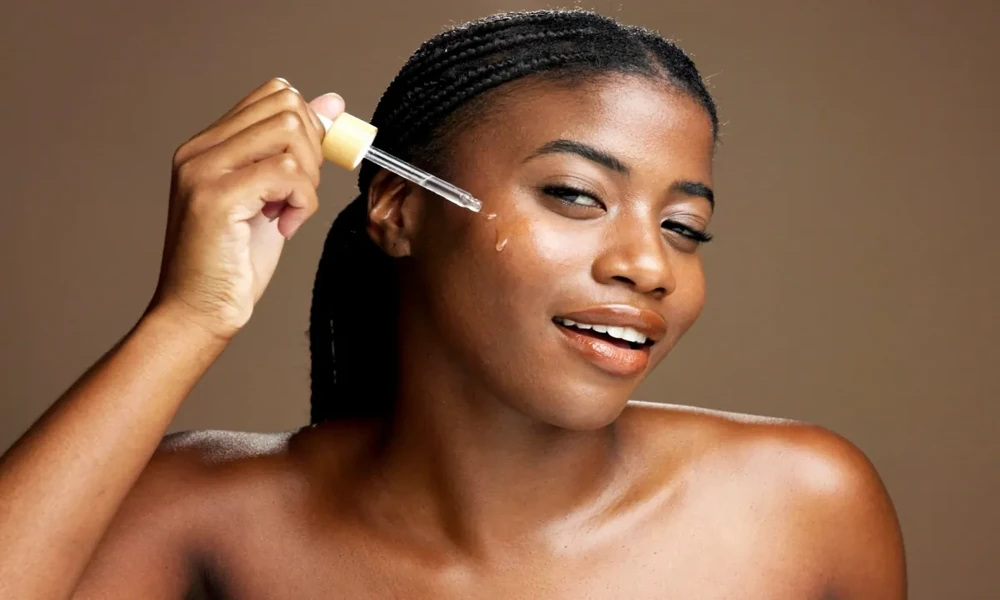
Applying a peptide inside a formal skin trial involves far more decisions than spreading a cream on a test zone. Research teams must choose how the compound enters the skin, what strength it carries, and how each participant is tracked from first visit to last. Protocol reviews available through Plasticsurgerykey show how these choices have settled into recognisable standards across dermal research, and this article follows those standards through delivery, dosing, and monitoring in the order a real trial applies them.
Dermal delivery techniques
Delivery route is the first decision every trial team makes, and the simplest arm of most studies uses topical cream or serum applied twice daily to marked facial or forearm zones. Peptide strength stays fixed, and the vehicle remains identical across all participants, so texture differences cannot influence results. Some teams push past surface application. Microneedling sessions create temporary channels before the solution goes on, moving material past the barrier that limits ordinary absorption. A third group works with injectable mesotherapy protocols, placing diluted solution directly into the dermis at mapped points. Each route reaches a different tissue depth, so researchers select based on which skin layer their measurements target, and many trials run two routes side by side on separate zones of the same participant to compare outcomes directly.
Concentration selection standards
• Strength ranges tested – Most topical work sits between low fractions of a per cent and a few per cent by weight. Teams start at the low end because the complex remains active at small doses, and cell culture screening before the trial identifies where the response begins to level off. Pushing past that plateau adds no measurable gain, so published protocols cluster tightly within the proven range.
• Vehicle and pH control – Formulation chemistry receives as much attention as strength. Solutions are buffered mildly acidic to match skin surface conditions, and stabilisers keep the copper from separating during storage. A batch that drifts chemically midway through a trial would corrupt every reading taken after the drift began, so teams test stability samples at every stage.
Participant progress tracking
Monitoring runs on a fixed visit calendar, usually at baseline, four weeks, eight weeks, and twelve weeks. Each visit repeats identical instrument readings in the same room, covering hydration probes, elasticity suction devices, and standardised photography under controlled light. Repeating conditions this exactly is what allows small tissue changes to register above background noise.
- Between visits, participants keep application diaries and report any site reactions immediately. Dropout tracking matters as much as measurement, since trials must state how many people finished and why any left before completion. Teams also photograph untreated control zones at every visit, keeping a parallel record that shows what the skin would have done on its own without the compound. Seasonal timing enters the record, too, because skin measured through humid months behaves differently from the same skin in dry ones, and a trial spanning both must account for the shift when reading its numbers.
- Final analysis draws these threads together. Delivery route determines which tissue layer the data describes, concentration records confirm every participant received the same exposure, and the visit calendar supplies matched readings that statistics can compare cleanly. Weakness at any one stage undermines the other 2, which is why published dermal work describes methods in such exact detail.
Dermal researchers apply GHK-Cu through matched delivery routes, screened concentrations, and rigid visit schedules. Discipline at each of these three stages is what allows a finished trial to attribute recorded skin change to the peptide alone rather than to formulation drift, missed visits, or season, and that discipline is what separates publishable results from wasted effort.