
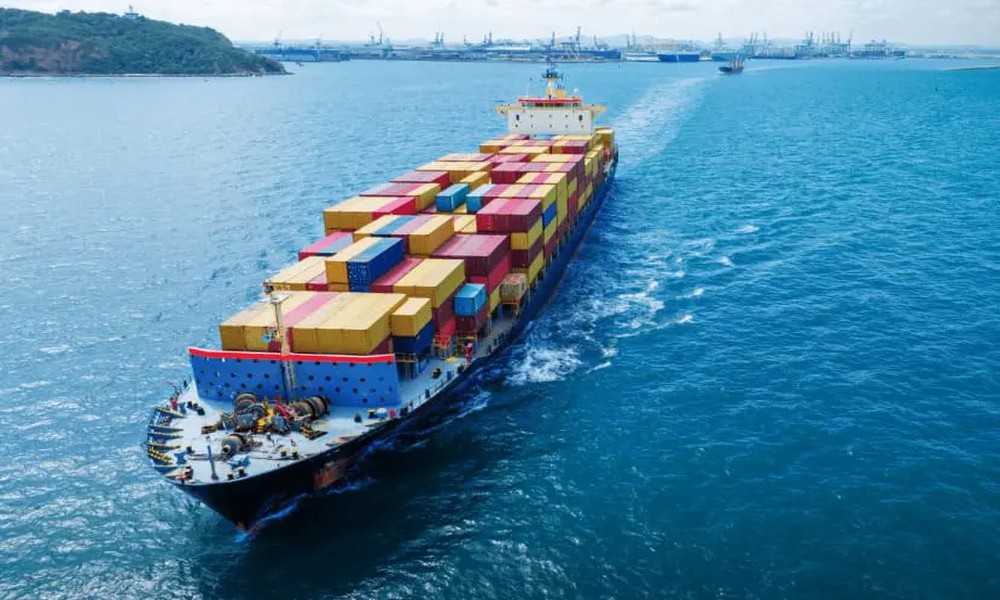
The way goods are transported is starting to shift. More businesses are paying attention to their environmental impact and trying to make their logistics a bit cleaner and more efficient. That could mean better route planning, using less fuel, or switching to more efficient vessels.
As these changes occur, there is also a need to consider the risks involved. New methods don’t always come with predictability. That’s where a marine policy fits in. It helps cover gaps as businesses adjust to different ways of moving goods, so they are not left with unexpected costs if something doesn’t go as planned.
What is Sustainable Transportation?
Sustainable transportation focuses on reducing the environmental impact of moving goods while maintaining efficiency and reliability. For many businesses, especially those covered under SME insurance, this shift is about compliance, long-term cost control and brand responsibility.
In practical terms, it could be as simple as using vessels that burn less fuel or rely on cleaner energy. In some cases, it is about planning routes a bit better to avoid extra distance. Businesses may also look at combining shipments, so they don’t have to make as many trips.
Challenges in Moving Towards Sustainable Logistics
While the benefits are clear, the shift towards sustainability comes with its own set of challenges. One of the biggest concerns for businesses is the cost involved in upgrading systems or adopting new technologies.
There is also a level of uncertainty. New fuel systems, unfamiliar routes or updated logistics models may not have a long track record, making outcomes harder to predict. Infrastructure gaps can add to the complexity.
For smaller businesses, these risks can feel even more significant, underscoring the importance of having a safety net in place.
How Marine Insurance Supports This Transition
Marine policy plays a quiet but important role in enabling this shift. As businesses experiment with new and more sustainable ways of transporting goods, the nature of risks also changes.
As logistics practices evolve, so do the risks. A well-structured policy helps address those gaps, especially when businesses are experimenting with newer methods. That could mean different vessels, new schedules or even changes in how cargo is handled.
Insurers such as TATA AIG recognise these shifts and build their offerings around them to make businesses a bit more confident.
Encouraging Better Practices Through Insurance
Insurance is not just about compensation after something goes wrong. It also encourages businesses to adopt better practices. When risks are assessed properly, companies are more likely to improve packaging, handling and storage methods.
This has a couple of clear advantages. It reduces the risk of damage or loss while also supporting sustainability efforts by improving efficiency and reducing waste. Over time, both sides start to work together more smoothly.
Long-Term Benefits for Businesses
Businesses that move towards sustainable transportation, along with the right insurance in place, tend to see the benefits over time. Costs are easier to plan for, risks don’t feel as unpredictable and day-to-day operations run smoothly, even when things change.
There is also a reputational benefit. Customers, partners and stakeholders increasingly prefer businesses that take sustainability seriously. For growing companies, this can open up new opportunities while strengthening existing relationships.
Conclusion
Sustainable transportation is becoming an essential part of modern logistics, but it does not come without challenges. By combining thoughtful planning with the right insurance support, businesses can move towards greener operations without taking on unnecessary risk.
Marine policy, in this context, acts as a steady support system, helping businesses adapt to change while staying protected.