
Obesity is a significant health challenge, often leading to complications such as diabetes, hypertension, and a negative impact on physical and mental well-being. For individuals who struggle to achieve substantial weight loss through diet and exercise alone, surgical interventions like the SADI procedure can offer an effective solution. The Single Anastomosis Duodeno-Ileal bypass (SADI) is an advanced bariatric procedure designed to achieve significant long-term weight reduction by altering the digestive process. Residents across Dallas, Fort Worth, Mansfield, and Plano, TX, are increasingly exploring SADI as a reliable option to manage obesity-related health concerns and improve their overall well-being. If you’re considering advanced bariatric options, this guide will provide an overview of the SADI procedure, its benefits, risks, and who can benefit most.
What is the SADI Procedure?
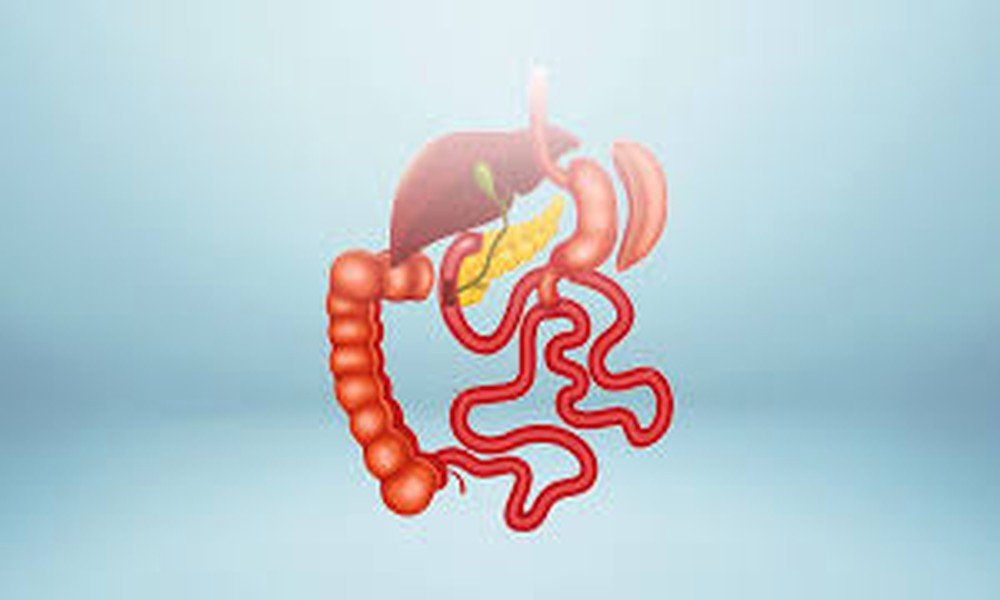
SADI, also referred to as Stomach Intestine Sparing Surgery (SIPS), is an advanced bariatric procedure designed to help individuals with severe obesity achieve lasting weight loss. It involves resizing of the stomach and rerouting of the intestine. By combining restriction of food intake with reduced calorie absorption, this procedure supports substantial weight loss, improves overall health, and lowers obesity-related risks.
SADI is considered a modified approach to a more popular weight loss surgery, duodenal switch surgery, because the process requires only one intestinal connection rather than two, reducing surgical complexity while delivering effective results. For residents in Dallas, Fort Worth, Mansfield, Plano, and nearby areas, SADI offers an effective solution when traditional weight loss methods have not provided the desired outcomes, empowering individuals to take a confident step towards better health and enhanced quality of life.
How Does the SADI Procedure Work?
Here is a step-by-step overview of how the SADI procedure is performed:
- Sleeve Gastrectomy: First, a portion of the stomach is removed to create a narrow, tube-like structure. This reduces the stomach’s capacity, helping patients feel full with smaller amounts of food.
- Division of the Duodenum: The first part of the small intestine, known as the duodenum, is divided just beyond the stomach. This step prepares the digestive system for the bypass connection.
- Intestinal Bypass Connection: The divided duodenum is then connected to a lower part of the small intestine called the ileum. This bypasses a significant portion of the small intestine, reducing calorie and nutrient absorption.
Benefits of the SADI Procedure
The SADI procedure offers several advantages for individuals seeking effective and long-term weight loss. Key benefits include:
- Significant Weight Loss: Patients achieve substantial weight reduction, which helps improve overall health, enhance mobility, and reduce obesity-related complications such as diabetes and hypertension.
- Simplified Surgery: As the procedure involves only one intestinal connection instead of two, it reduces operative time and surgical complexity, making it a safer option for many patients.
- Lower Risk of Nutritional Deficiencies: Compared to the traditional duodenal switch, SADI has a lower risk of causing severe nutritional deficiencies while still offering effective malabsorption benefits.
- Preservation of Natural Digestion: By keeping the pyloric valve intact, the procedure allows food to pass through the digestive system in a controlled manner, reducing the risk of dumping syndrome and maintaining a more natural digestive process.
Potential Risks and Considerations
While the SADI procedure offers effective and lasting weight loss benefits, it is important to be aware of the potential risks and considerations associated with this surgery:
- Nutritional Deficiencies: Because the procedure involves bypassing a portion of the small intestine, patients are at risk of developing deficiencies in vitamins and minerals such as iron, calcium, and fat-soluble vitamins. Lifelong supplementation and regular monitoring are necessary to maintain optimal health.
- Protein Malnutrition: Although the risk is lower compared to some other malabsorptive procedures, there is still a possibility of protein-calorie malnutrition if patients do not follow dietary guidelines carefully after surgery.
- Surgical Risks: As with any major surgery, there are risks such as infection, bleeding, or complications related to anesthesia. Choosing an experienced bariatric surgeon and following pre- and post-operative care instructions can help minimize these risks.
- Changes in Bowel Habits: Some patients may experience changes in bowel movements, such as increased frequency or looser stools, especially in the initial period after surgery.
- Need for Lifestyle Commitment: The success of the SADI procedure depends on the patient’s commitment to following dietary recommendations, taking prescribed supplements, and attending regular follow-up appointments to ensure long-term health and weight management.
Who Can Benefit Most from the SADI Procedure?
The SADI procedure is well-suited for those seeking a more effective solution when other weight loss methods haven’t delivered lasting results. It may be considered by:
- Patients with a High BMI: Those with a BMI of 40 or above, or a BMI of 35 and above with obesity-related conditions, such as high blood pressure or sleep apnea, can benefit from this procedure.
- Individuals with Type 2 Diabetes or Metabolic Syndrome: The procedure’s malabsorptive component supports better blood sugar control, making it beneficial for patients with type 2 diabetes or metabolic conditions associated with obesity.
- Patients Needing Additional Weight Loss After Previous Surgery: People who have undergone weight loss procedures such as sleeve gastrectomy but require further weight reduction may consider SADI as a revision procedure for enhanced results.
- Those Requiring Greater Malabsorption: For individuals whose weight loss goals were not met with restrictive procedures alone, the added malabsorptive effect of SADI provides stronger and more sustained outcomes.
Conclusion
The SADI procedure offers more than substantial weight loss; it helps improve metabolic health, reduces obesity-related conditions, and enhances overall quality of life. Of course, the suitability of this procedure varies for each individual, depending on their health status and long-term goals. Residents in Dallas, Fort Worth, Mansfield, Plano, and other major cities considering this procedure should look for reputable clinics in Texas, known for offering advanced bariatric surgery options such as the SADI procedure. Consulting an experienced bariatric surgeon will help determine the suitability and the outcomes for your weight loss journey and overall well-being.