
I never really cared what my clothes were made of. If it looked fine and fit well, that was enough. Fabric labels felt like something only manufacturers or shop owners worried about.
That changed slowly. Not because I suddenly got interested in textiles, but because of small annoyances. One shirt would look great for a week and then start losing shape. Another would wrinkle like crazy after washing. And then there were a few pieces that just stayed the same. No drama. No extra effort.
Out of curiosity, I started checking tags. That’s when I kept seeing the same word again and again polyester. More specifically, polyester filament.
It’s Not Complicated, Honestly
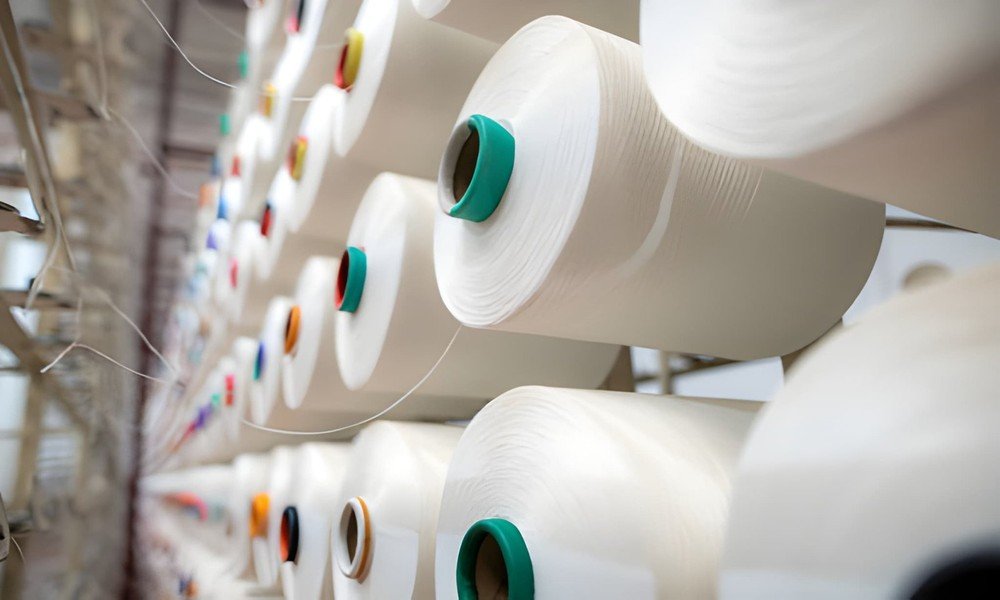
If you strip away all the technical language, polyester filament is just a long, smooth thread made in a factory.
That’s it.
The key difference is that it’s not made of short fibers twisted together like cotton. It’s one continuous strand. Because of that, it behaves differently. It doesn’t break down as quickly, and it keeps a more even look over time.
You don’t always feel the difference on day one. You notice it after a few washes, when one fabric starts to look tired and another still looks fine.
The First Time You Notice It
For me, it was with a basic gym t-shirt. Nothing expensive. I wore it regularly, washed it often, didn’t take special care of it.
Months later, it still held its shape. No stretching around the neck, no weird wrinkles. That’s when I checked the label properly and yes, polyester filament was part of it.
After that, it became easier to spot patterns. Clothes that lasted longer often had it. The ones that didn’t, usually didn’t.
Why It Works So Well
There’s no big mystery here.
Polyester filament is strong. It doesn’t give up easily after a few washes. That alone makes a difference.
It also doesn’t wrinkle much. You don’t have to think about ironing every time you wear something.
And it dries fast. If you’ve ever washed clothes during humid weather, you know how useful that is.
None of these things sound exciting on their own, but together they make everyday life easier.
The Part Most People Don’t Think About
One thing I didn’t realize before polyester filament isn’t all exactly the same.
I used to assume if two products had “polyester” on the label, they’d behave the same. Not true.
How it’s made, how it’s finished, where it comes from these things matter. Some fabrics feel smoother, some last longer, some just perform better overall.
That’s why businesses don’t just buy randomly. They stick with suppliers they trust. Companies like Glyarn, for example, focus on keeping things consistent, which helps avoid problems later on.
Because once a fabric is made into a product, you can’t really fix it.
Where You’ll See It (Without Realizing)
Once you start paying attention, it shows up everywhere.
- That t-shirt you wear at home.
- Your workout clothes.
- Curtains that don’t wrinkle much.
- Bags that don’t lose shape.
It’s not just about fashion. It’s used in things that need to last and still look decent after regular use.
You probably use it every day without thinking twice.
Is It Better Than Cotton?
This is where people usually get stuck. Cotton feels soft and natural. No argument there. On a hot day, it’s comfortable.
But it also wrinkles easily and takes longer to dry. And over time, it can lose shape.
Polyester filament doesn’t feel exactly the same, but it handles wear better. That’s why many products use a mix of both.
It’s less about which one is better and more about what you need.
The Environmental Side No Sugarcoating
Let’s be honest here. Polyester isn’t perfect. It doesn’t break down easily, and that’s a real concern.
But things are slowly changing. More manufacturers are using recycled materials turning plastic waste into new fibers instead of starting from scratch. It’s not a complete fix, but it’s better than ignoring the issue.
Why It’s Not Going Anywhere
Even with all the conversations about sustainability, polyester filament is still widely used.
The reason is simple it works.It’s reliable, consistent, and doesn’t need much maintenance. For both businesses and everyday users, that matters.
Until there’s something that can replace it completely without losing those benefits, it’s going to stick around.
Final Thought
Polyester filament isn’t something most people think about when buying clothes or home items. I didn’t either.But once you notice how some fabrics hold up better than others, you start paying attention.
And more often than not, this quiet, simple material is part of the reason why.