
Key Takeaways
- The most successful recoveries begin months before an actual disaster occurs.
- Strategic damage restoration focuses on saving business-critical assets to minimise revenue loss.
- Subtle dialogue errors cause more delays than the physical damage itself.
Introduction
Disaster doesn’t ring the doorbell or wait for a convenient gap in your production schedule. Whether it is a burst water pipe flooding a retail showroom or a minor fire in a semiconductor cleanroom, the immediate aftermath is a chaotic race against the clock. In the world of corporate infrastructure, the new normal is defined by how quickly a company can pivot from crisis back to commerce. This is where the art and science of commercial restorations come into play. Unlike residential cleanup, business-scale recovery requires an intricate understanding of logistics, regulatory compliance, and mechanical engineering.
The Philosophy of Pre-Incident Planning
Elite organisations move away from reactive emergency calls toward pre-incident service agreements. This involves a comprehensive audit of the facility where restoration specialists identify critical machinery, high-value data servers, and essential structural components. By mapping out these priorities in advance, a recovery team can bypass the assessment phase during a real crisis and move straight to mitigation. This proactive stance ensures that when a disaster strikes, the restoration partner arrives on-site with the specific tools, chemicals, and knowledge required for your unique environment. In a competitive landscape, the business that reopens its doors forty-eight hours faster than its competitors often captures the displaced customer base, turning a potential catastrophe into a demonstration of reliability and strength.
The Human Factor
While technical skill is vital, more commercial restorations are derailed by poor communication than by mechanical failure. One of the most common mistakes is the information silo, where the restoration team, the insurance adjuster, and the business owner are not operating from a single source of truth. When expectations regarding the timeline or the salvageability of an item are not explicitly documented and shared, friction inevitably occurs. Clear, daily briefings and a centralised project management portal are the only ways to ensure that all stakeholders are moving in the same direction.
Another frequent error is the failure to communicate the why behind specific technical requirements. A business owner may be eager to turn the power back on immediately, not realising that moisture trapped in the walls could lead to a massive electrical short or a secondary mould outbreak. Conversely, a restoration team that ignores the business’s operational nuances will cause unnecessary friction. Successful damage restoration is a partnership that requires constant, transparent dialogue to navigate the shifting sands of a live recovery site.
The Technical Edge
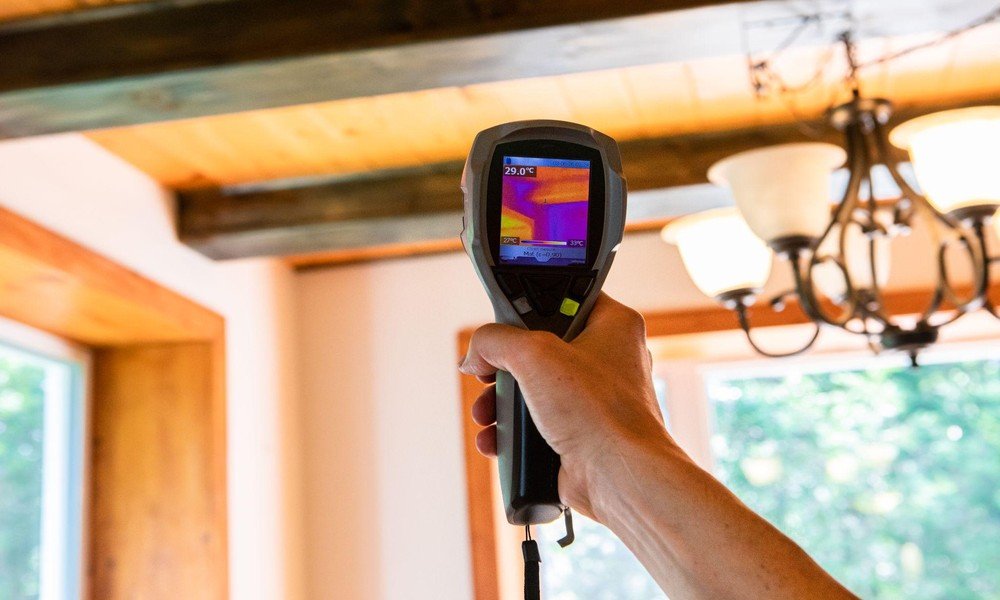
In an industrial or laboratory setting, a standard wipe-down is insufficient for damage restoration. Contaminants such as acidic soot or chloride-heavy water can cause microscopic pitting on metallic surfaces, leading to latent failure weeks after the event. Moreover, the restoration of structural elements in a commercial setting must account for the high traffic and heavy loads the building sustains. Professionals use moisture mapping and infrared thermography to identify hidden pockets of water behind drywall or under subflooring that the naked eye cannot see. By targeting only the affected areas for demolition, the restoration process remains surgical rather than invasive.
The Path to Total Recovery
True commercial restorations conclude only when the site is returned to its pre-loss condition, or in some cases, an improved state. This involves a seamless transition from the mitigation phase to the reconstruction phase. A professional partner handles the complexities of building permits, health and safety regulations, and interior finishing, ensuring that all work meets modern standards. For many businesses, this is an opportunity to upgrade outdated systems, turning a moment of loss into a strategic infrastructure improvement.
The final stage of the process is a thorough post-incident review. This is where the communication loop closes, allowing the business and the restoration team to evaluate what worked and what could be improved for the future. This iterative process of learning and adapting is what separates industry leaders from those who are perpetually one crisis away from insolvency.
Conclusion
Successful damage restoration is built on a foundation of pre-incident planning, technical precision, and, perhaps most importantly, impeccable communication. By avoiding common dialogue pitfalls and embracing a proactive recovery strategy, you can insulate your business from the worst effects of an unforeseen event. High-quality commercial restorations do more than just clean up a mess; they restore confidence to your employees, value to your shareholders, and stability to your brand. When the smoke clears or the water recedes, the partners you have chosen and the plans you have made will be the primary factors in your success.
Is your business truly ready for the unexpected? Get in touch with BELFOR and ensure your facility is the first to recover when it matters most today.