
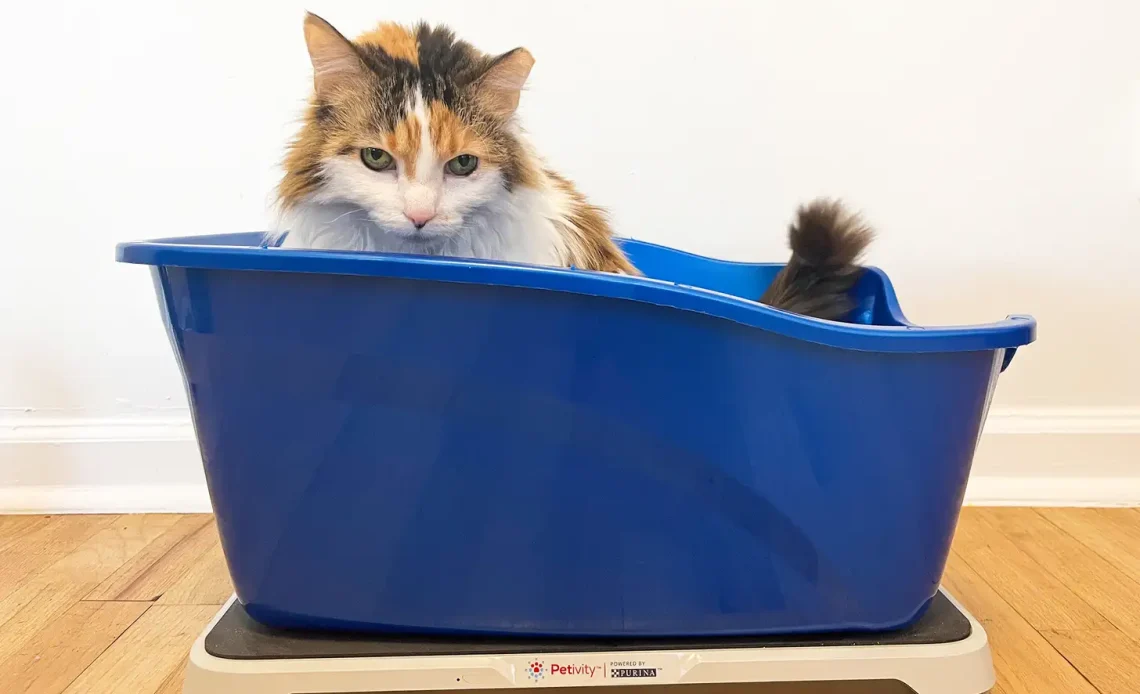
It usually starts with something small. A clump looks different. The box smells stronger than usual. Your cat visits more often, or stops using it and picks the bath mat instead. You know your cat’s normal rhythm, so when that rhythm shifts, it gets under your skin fast. You are not overreacting. Changes in litter box habits can point to stress, pain, urinary trouble, constipation, or a behavior issue, and the details you notice at home can help a mobile veterinarian in Lincoln Parish sort out what is going on much faster.
If your cat is straining, crying in the box, producing little or no urine, or making repeated trips with nothing coming out, treat that as urgent. Cornell’s overview of feline lower urinary tract disease explains why these signs deserve quick attention. For less dramatic changes, the goal is simple. Show your vet the patterns, not just the symptom. A mobile veterinarian can learn a lot from what you track in the home where the behavior is happening.
Litter box changes often tell the story before the exam does
Cats hide discomfort well. By the time you see obvious signs, the problem may have been building for days. That is why the litter box matters so much. It gives a running record of your cat’s bathroom habits, comfort level, and output. If you only tell the vet that your cat is “acting weird,” that leaves too much room for guessing. If you can say your cat went from two normal urine clumps a day to six tiny ones, or started defecating just outside the box after a new cat moved in, the picture sharpens.
Some changes lean medical. Frequent tiny urine spots, blood, straining, or vocalizing can suggest bladder inflammation, crystals, infection, or blockage. Some changes lean behavioral. A cat may avoid a box that feels dirty, too small, too exposed, or tied to stress. Cornell’s guide to house soiling in cats shows how often environment and stress shape these problems. The hard part is that medical and behavior issues can overlap. Pain can trigger avoidance, then the avoidance becomes a habit.
The five litter box details a mobile vet needs to see
1. Frequency of box visits
Count how often your cat enters the box in a day, even if nothing happens. More trips than usual often point to urinary irritation, diarrhea, or constipation. Fewer trips can matter too, especially if your cat is eating and drinking normally but producing less.
2. Size and number of urine clumps
This is one of the clearest clues in a clumping litter home. Tiny clumps made many times a day can signal straining or urinary discomfort. Very large clumps may suggest increased drinking. If you have more than one cat, try a short period of separation if it can be done safely, so you know whose output you are seeing.
3. Stool appearance and effort
Dry, hard stool, very small pieces, mucus, diarrhea, or visible straining all matter. So does the amount. A cat that balances on the edge of the box, leaves stool stuck to the fur, or exits suddenly may be dealing with pain.
4. Exact location of accidents
If your cat stops using the box, the location is not random as often as people think. Urine on a bed, rug, laundry pile, or near the box can mean different things. Take a photo before cleaning if you can. A mobile vet can use those patterns to separate marking, avoidance, mobility trouble, and urgency.
5. Box setup and recent changes
Note the litter type, box style, depth of litter, cleaning schedule, box location, and any change in the home. New pet, guests, moving furniture, construction noise, or a switch in litter brand can all affect use. This is where an at-home vet for cats has an edge, because the setup can be seen in context instead of described from memory.
Home observations give a mobile veterinary service better starting points
You do not need a perfect spreadsheet. You need a clean snapshot of what changed and when. A note on your phone over two or three days can be enough. If the problem is mild, that record may prevent unnecessary trial and error. If the problem is urgent, it helps the vet move faster toward the right exam and treatment plan.
| Detail to Track | What You Might Notice | What It Can Suggest | What to Show the Vet |
|---|---|---|---|
| Box visit frequency | Many short trips or no trips | Urinary pain, constipation, diarrhea, stress | Daily count or short video |
| Urine clump size | Tiny frequent clumps or very large clumps | Straining, bladder irritation, increased thirst | Photo of clumps over 24 hours |
| Stool appearance | Hard, dry, loose, mucus, blood | Constipation, colitis, diet issue, pain | Photo and note about effort |
| Accident location | Bed, rug, near box, doorway | Stress, marking, box aversion, urgency | Photo of exact spot |
| Box setup | Covered box, scented litter, noisy area | Avoidance tied to environment | Photos of box and room |
Three steps you can take before the mobile vet arrives
Start a 48 hour log.
Write down meals, water intake if you can track it, each litter box visit, urine clump count, stool appearance, and any accidents. Include the time. This gives the mobile vet for cat litter box issues a timeline instead of fragments.
Take photos, not guesses.
Photograph the litter box once or twice a day before scooping, and photograph any accident spots. If your cat strains or postures oddly, a short video can help. You are capturing facts your cat may not repeat during the visit.
Do not overhaul the setup overnight.
People often panic and change litter, move the box, deep clean with strong scents, or add liners. That can muddy the picture. Keep things stable unless your cat is in danger. If you need one change, add a second quiet box in an easy-to-reach spot and keep it plain and unscented.
Clear litter box details can shorten the path to answers
When a cat’s habits change, you are left watching a box and trying to figure out whether this is stress, stubbornness, or a medical problem. That uncertainty is the hardest part. Good notes turn that uncertainty into something useful. They help a mobile veterinarian see patterns, rule out bad guesses, and make the visit more productive from the start.
If your cat is showing new litter box behavior, gather these five details and schedule a visit with a mobile veterinarian. If the signs look urgent, seek immediate veterinary care.