
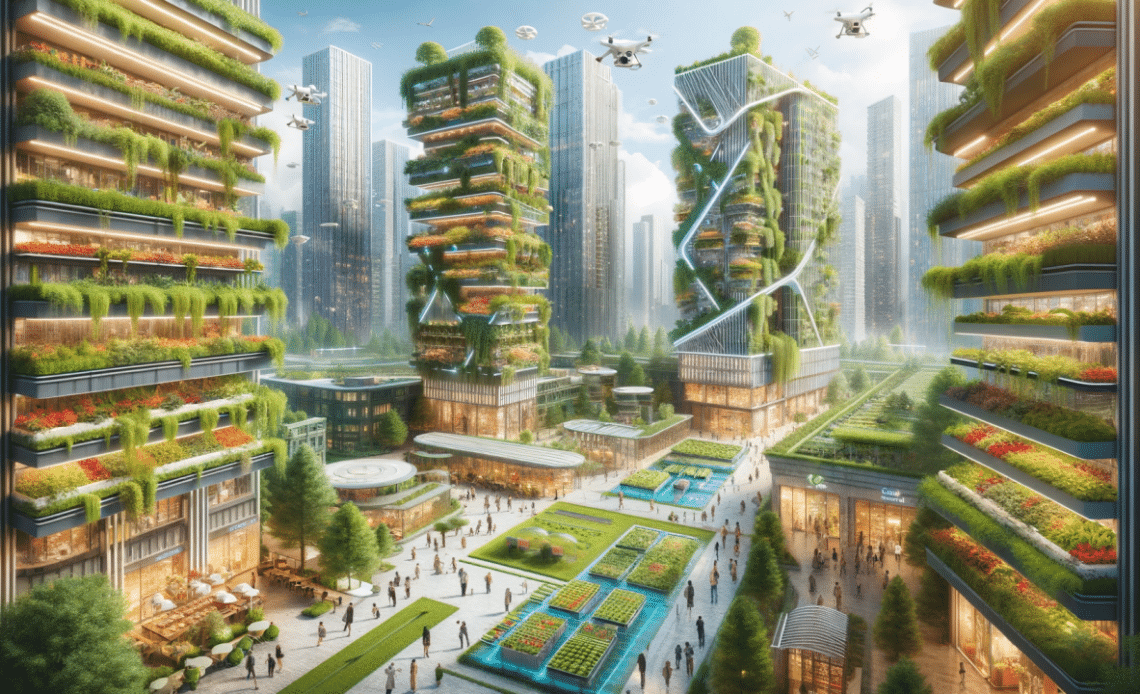
As the global population continues its steady march toward urban centers, the iconic high-rise apartment has evolved from a simple solution for density into a sophisticated hub of technological innovation. In 2026, the sky-high residence is no longer just a collection of glass and steel; it is an intelligent ecosystem that learns from its inhabitants and adapts to the challenges of metropolitan life. This transformation is driven by a fusion of artificial intelligence, the Internet of Things, and a deep commitment to sustainable development. For the modern urbanite, Houston Vantage Med Center smart technology in high-rise living is not just about luxury or convenience—it is about creating a resilient, efficient, and deeply personalized environment that thrives in the heart of the city.
The Seamless Integration of the Occupant Experience
The most visible shift in modern high-rise living is the movement toward a frictionless daily routine. In the high-rises of today, the physical key has become a relic of the past, replaced by sophisticated mobile credentialing and biometric access systems. Residents can move from the street to their front door without ever fumbling for a fob, as facial recognition or encrypted smartphone signals grant access to secure lobbies, elevators, and private units. This level of connectivity extends to guests and service providers, allowing tenants to grant remote access for a delivery or a maintenance technician through a single unified app.
Beyond access, the integration of all home systems into a single ecosystem has become the standard. In years past, a resident might have needed five different apps to manage their lights, thermostat, security cameras, window shades, and appliances. In 2026, cross-platform compatibility through protocols like Matter has simplified the user experience. These systems now work in harmony to create reactive environments. For example, as a resident approaches their building after work, the high-rise’s central brain can signal their specific apartment to begin a pre-programmed welcome routine—adjusting the temperature, opening the blinds to catch the sunset, and preheating the oven.
Predictive Building Management and Efficiency
While individual apartment features often capture the headlines, some of the most impactful innovations are happening behind the scenes in the building’s core infrastructure. Modern high-rises are now equipped with thousands of industrial IoT sensors that monitor everything from water pressure and electrical loads to elevator health and air quality. This data allows for predictive maintenance, a strategy where AI algorithms identify the early signs of equipment wear before a failure occurs. This means that a boiler or a cooling tower is repaired during a scheduled window rather than failing unexpectedly on a busy weekend, significantly reducing downtime and emergency repair costs.
Energy management has also reached a new level of precision. Smart high-rises utilize generative design and real-time occupancy tracking to optimize the heating and cooling of common areas. If sensors detect that a rooftop lounge or a fitness center is empty on a Tuesday morning, the building automatically dims the lights and reduces the HVAC load. Some buildings even incorporate smart glass that tints automatically based on the position of the sun, drastically reducing the “greenhouse effect” that often plagues south-facing apartments. These micro-adjustments, when applied across a fifty-story tower, result in a massive reduction in the building’s overall carbon footprint and lower utility costs for every resident.
Conclusion
The evolution of smart technology in high-rise apartments represents a fundamental shift in our relationship with the built environment. We are moving away from static structures that require constant human intervention and toward intelligent, responsive partners that actively work to improve our lives. By prioritizing connectivity, predictive efficiency, and a holistic approach to wellness, the modern high-rise is solving the traditional pain points of city living.
As these technologies continue to mature and become more accessible, the high-rise apartment will serve as the cornerstone of the smart city, proving that vertical density can be both luxurious and sustainable. The future of urban living is not just about reaching higher into the clouds; it is about using the intelligence on the ground to make every floor a better place to live, work, and thrive.
