
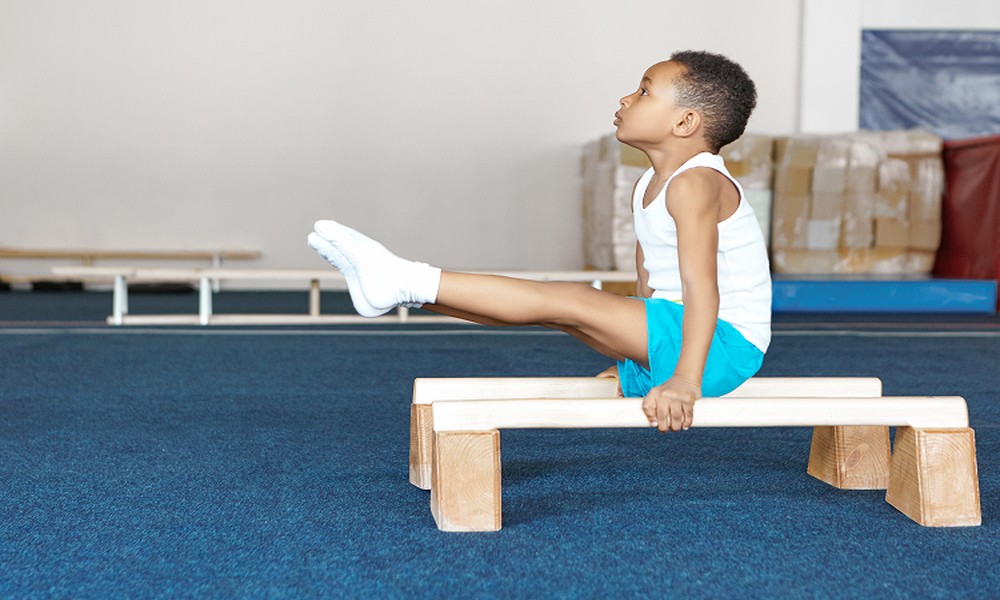
Key Takeaways
- Readiness for gymnastics is based on behaviour, not just age.
- Interest, focus, and basic coordination are early positive signs.
- Resistance, fatigue, or anxiety may indicate that a child is not ready.
- Structured programmes like gymnastics for kids in Singapore require consistency and routine.
- Parents should assess both physical ability and emotional readiness before enrolling.
Introduction
Enrolling a child in gymnastics is often seen as a productive step towards physical development, discipline, and confidence. However, not every child is ready at the same time, even if they fall within the recommended age range. Programmes such as gymnastics for kids in Singapore are structured and progressive, which means readiness affects both safety and long-term progress. Parents need to look beyond enthusiasm and assess behavioural, physical, and emotional indicators before committing to regular training.
Signs Your Child Is Ready for Gymnastics Training
A child who is ready for gymnastics typically shows a combination of curiosity, physical awareness, and the ability to follow simple instructions. Interest is the most immediate indicator. Children who naturally climb, jump, or attempt basic tumbling movements at home often adapt faster to structured training environments. This interest usually translates into engagement during classes, making it easier for coaches to guide them through drills and routines.
Another key sign is basic coordination and balance. A child does not need advanced skills but should be able to run steadily, jump with control, and maintain balance briefly on one foot. These fundamentals reduce the risk of injury and allow smoother progression into beginner-level exercises. Additionally, the ability to focus for short periods-typically 30 to 45 minutes-is important. Gymnastics sessions involve listening, waiting for turns, and repeating movements, all of which require attention and patience.
Emotional readiness also plays a role. Children who respond well to instruction, accept corrections without distress, and show willingness to try again after failure are better suited for structured programmes. Remember, in environments like gymnastics for kids, where progression is step-based, resilience and coachability are necessary for steady improvement.
ALSO READ: 4 Health Benefits of Gymnastics
Signs Your Child May Not Be Ready Yet
Not all children benefit from early enrolment, and forcing participation can lead to negative associations with physical activity. One of the most common signs of unreadiness is resistance. If a child consistently refuses to participate, avoids structured play, or shows discomfort in group settings, they may not be prepared for a class environment that requires participation and interaction.
Limited attention span is another concern. While young children are naturally energetic, an inability to stay engaged even for short, guided activities can disrupt both their own learning and the flow of the class. Gymnastics sessions are structured, and children are expected to follow sequences, wait for instructions, and repeat tasks. Remember, without this capacity, progress becomes difficult and potentially unsafe.
Physical hesitation or fear is also a strong indicator. Children who are overly cautious about movement, afraid of minor physical challenges, or unwilling to attempt new actions may struggle with the demands of gymnastics. Unlike free play, training involves controlled risk, such as balancing, jumping, or supporting body weight. If a child is not comfortable with these actions, it may be better to delay enrolment.
Balancing Timing with Development
Parents often feel pressure to start early, but timing should align with the child’s development rather than external expectations. Programmes like gymnastics for kids in Singapore are designed to accommodate different levels, but readiness still determines how much a child benefits from the experience. Starting too early can lead to frustration, while starting at the right time supports confidence and consistent progress.
A practical approach is to expose the child to informal physical activities first. Playgrounds, basic movement games, and short guided exercises at home can help build coordination and interest without the structure of formal training. Observing how the child responds in these situations provides a clearer indication of readiness than age alone.
Conclusion
Gymnastics training can be beneficial, but only when the child is prepared to engage with its structure and demands. Interest, coordination, and emotional resilience signal readiness, while resistance, fear, and lack of focus suggest the need to wait. Parents should prioritise timing based on individual development rather than trends or expectations. Remember, when readiness aligns with the programme, gymnastics for kids in Singapore becomes a constructive and sustainable activity rather than a forced routine.
Contact BearyFun Gym and give your child a strong start in movement, discipline, and confidence with a structured programme designed for real progression.