
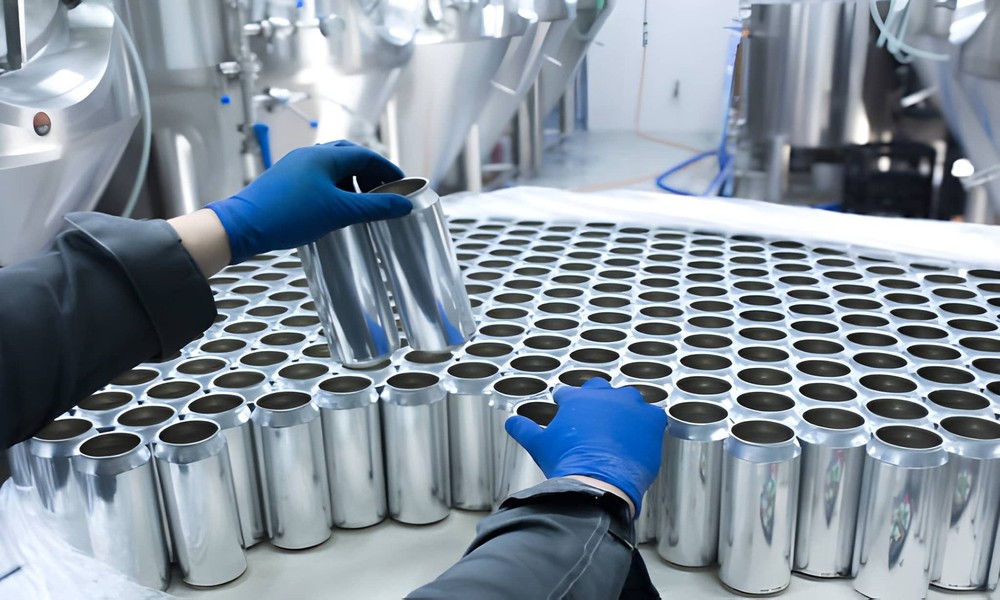
I was just sitting here thinking about how crazy it is that a simple soda can does so much heavy lifting. You crack one open, hear that sharp sound, and take a cold sip without ever thinking about what is happening on a molecular level. My uncle used to keep sodas in his humid garage, and I remember being terrified they would taste like metallic rust or go flat. But they never did.
The Ultimate Freshness Fortress
It now turns out that these little metal cylinders are basically a high-tech fortress for whatever liquid is trapped inside. They completely shut out light and oxygen, which are like the ultimate twin villains of beverage freshness.
Zero Light: UV rays break down delicate flavour compounds.
No Oxygen: Air turns crisp drinks stale and sour within days.
Rapid Chill: Metal transfers cold faster than thick glass.
Speaking of the industry stuff, I was looking into this blog called Aluminum Packaging, and they do some really interesting work. This resourceful blog has published a lot of posts on how custom aluminum containers for food, cosmetics, and drinks, help brands switch to more sustainable setups.
They focus heavily on high-end, durable, and infinitely recyclable materials. Using premium aluminium packaging is the gold standard now because it blocks 100% of external contaminants, keeps the fizz locked in tight under pressure, and cools down way faster in the fridge than glass ever could. It just makes sense from a business perspective, plus it saves a ton on shipping because it is so incredibly lightweight.
The Evolution of the Can: tin vs aluminium
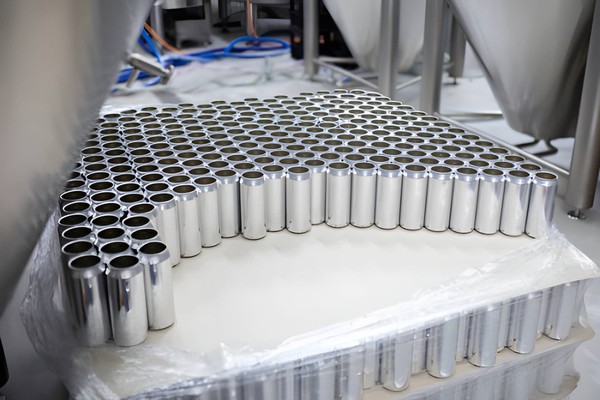
Honestly, it makes you realize how far things have come when you look at the whole tin vs aluminium debate. Like, back in the day, people used actual tin or heavy tin-plated iron for everything, but pure tin is shockingly rare and expensive, and it is only like a tiny fraction of the earth’s crust or something.
When you compare tin and aluminium, then aluminium is just a total beast because it is way lighter, naturally corrosion-resistant, and it does not degrade or lose its properties when you melt it down to recycle it.
Old tin cans used to change the flavour profile of acidic drinks, giving them this weird, metallic tang that totally ruined the experience. Aluminium does not do that at all, especially with the modern protective liners they spray inside now.
Why the Airtight Seal Matters
It is just, well, I guess what I am trying to say is that the airtight seal is everything. When a can is sealed at the factory, it creates an absolute vacuum barrier. No air gets in; no carbonation leaks out. I hate flat drinks so much, there is literally nothing worse than a lukewarm, flat cola on a hot summer day.
Plus, from an environmental standpoint, you can recycle a beverage can and have it back on a store shelf in like sixty days. It keeps the flavour exactly how the brewer intended, crisp and fresh, every single time.