
A clearer way to turn good ideas into steady business growth
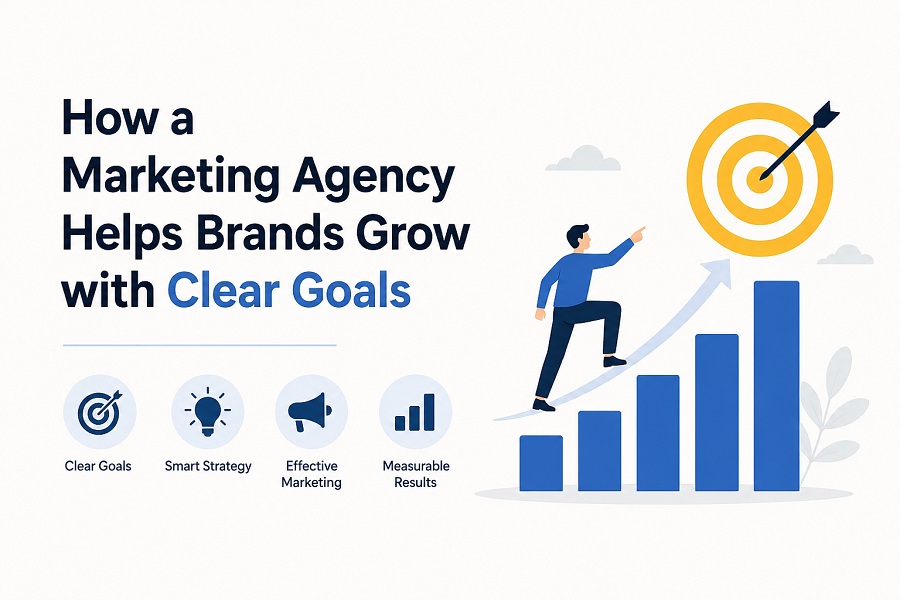
Growth rarely starts with a huge campaign or a clever slogan. It often begins with one clear question: what should we do next? We may have a good product, a useful service, and a team ready to work. Yet our message can still miss the people who need it. This guide explains how smart marketing brings order to that mess. It covers planning, audience needs, content, data, and simple ways to track progress. Growth becomes easier when our work is guided by a marketing agency that links each task to a clear business goal. We stop posting to stay active. Instead, every page, ad, and message has a reason to exist.
Let’s be honest, marketing can feel like a box full of mixed puzzle pieces. Search, social media, email, ads, and web content all compete for time. The hard part is not finding more tools. It is choosing the right steps and using them in the right order. This article will help us judge what matters, avoid wasted effort, and build a plan that fits real needs. We will also learn how to spot weak goals and unclear reports before they drain a budget. The benefit is simple: better choices, less guesswork, and a stronger link between marketing and sales. No magic tricks are needed. Just clear goals, useful content, and steady review. That may sound less exciting than a viral post, but it works far better.
What should you expect from a focused marketing plan?
A good marketing plan gives direction before work begins. It states who you want to reach and why they should care. It also links each task to a result you can measure. You should know whether the main goal is sales, leads, visits, or trust. Without that choice, teams may stay busy but achieve very little. A focused plan keeps time and money aimed at useful work.
Your plan should answer a few basic questions:
- Who is the right customer?
- What need does your offer meet?
- Which channels reach that person?
- What action should they take?
- How will success be checked?
These points should guide every campaign and content task. You do not need twenty goals at once. Start with one main goal and two support goals. Review them each month and remove tasks that add no value. A short plan used daily beats a long plan left unread. Clear work may look simple, but simple is often hard to beat.
How can you choose services that match your real needs?
Not every business needs the same set of services. Some need better search reach, while others need more sales leads. You should first check where people lose interest. It may happen on your website, during follow-up, or before they find you. Once that weak point is clear, choosing the right work gets much easier. Do not buy a large service package just because it sounds complete.
1. Check your current position
Look at traffic, leads, sales, and customer questions. Note where results slow down. This gives you a useful starting point.
2. Set one clear target
Choose a result that can be tracked. A goal like “get more attention” is too loose. A goal like “raise qualified leads” gives better direction.
3. Match the service to the target
Search work can support online reach. Content can build trust. Paid ads can bring quicker tests and faster feedback.
4. Review the fit often
Needs change as a business grows. Check results every month. Keep what works and adjust what does not.
Why do simple reports lead to better marketing choices?
Reports should help you act; not make you feel lost. A useful report explains what changed, why it changed, and what happens next. Large charts may look smart, but they mean little without clear context. You should focus on a small set of numbers tied to your goals. This makes progress easier to see and discuss. It also helps you stop weak campaigns before they waste more money.
Useful reports often include:
- Website visits from key channels
- Leads that match your target group
- Cost paid for each lead
- Sales linked to campaigns
- Changes planned for the next month
Ask plain questions when results are unclear. Which task drove the change? Did lead quality improve, or did only traffic rise? What will be tested next? Good reporting should never hide behind hard words. It should help you choose in a few minutes. When reports stay clear, marketing becomes easier to manage. You gain control, and your team knows what deserves attention next.
How can strong content support trust and steady sales?
Content works best when it answers a real customer question. It should explain choices, reduce doubt, and help people take the next step. You do not need to publish every day. You need useful pages that match what people search for and want to know. Clear content also supports search reach, email campaigns, and sales talks. One strong piece may serve several needs.
Before publishing, check these points:
- Does the title promise a clear benefit?
- Does the opening answer the main concern?
- Are sentences short and easy to scan?
- Is the next step clear?
- Does the page match the search goal?
Avoid filling pages with broad claims that say very little. Readers notice when content wastes their time. Use direct answers, clear headings, and proof that supports your point. Keep the tone warm, but do not force jokes into serious topics. Strong content feels helpful before it feels promotional. That trust can turn casual visits into real interest and, over time, steady sales.
Build a plan that keeps growth clear and manageable
Good marketing is not about doing everything at once. It is about choosing useful work, tracking clear results, and making small improvements. We can help keep goals, content, channels, and reports connected to the same plan. That keeps work focused and makes each next step easier to judge.
Start by reviewing your main goal and the needs of your audience. Then list the tasks that directly support both. Remove work that has no clear purpose. Keep the plan simple enough to use each week. When you are ready to improve your marketing direction, begin with one honest review, set one measurable target, and take the first focused step today.