
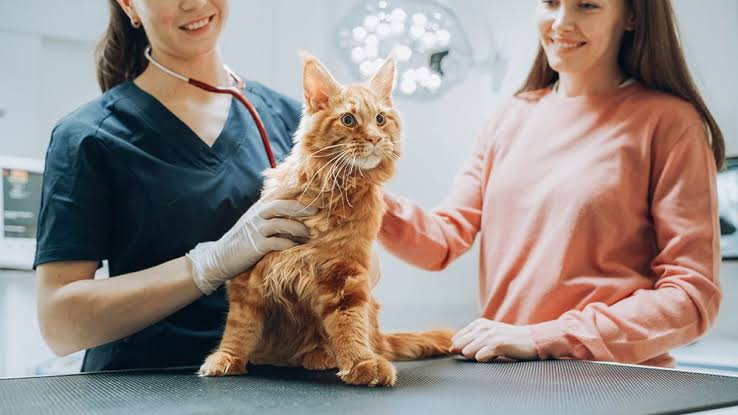
You know your cat’s normal rhythms. The way they nap, eat, ask for attention, or disappear for a few quiet hours. When something feels off, that uneasy feeling can hit fast. Maybe your cat is hiding, breathing strangely, or suddenly won’t stand up. You may be hoping it passes, while also worrying that waiting could make things worse. In moments like these, contacting Bartlett animal hospital can help you decide what to do next.
That tension is real. Cats are skilled at masking pain, which means serious trouble can look subtle at first and then change quickly. Some problems can wait for a regular appointment. Others call for immediate care at an animal hospital. When your cat shows signs of breathing distress, collapse, or repeated vomiting with weakness, the safest move is to treat it like an emergency and get help right away.
Breathing trouble is one of the clearest cat emergency signs
If your cat is breathing with effort, breathing fast at rest, open mouth breathing, or making strained sounds, do not wait it out. Cats do not pant like dogs except in rare moments of stress or heat, and labored breathing can point to asthma, heart disease, fluid around the lungs, trauma, or a blocked airway. A cat that stretches its neck, crouches low, or seems unable to settle may be trying hard to get enough air.
This is where owners often lose time, because the signs can look like anxiety or a hairball episode. You may hear coughing and think your cat just needs a minute. You may see your cat hiding under the bed and assume they want space. When breathing is the issue, every minute matters. According to Texas A&M Veterinary Medicine’s guide to recognizing pet emergency signs, trouble breathing is one of the situations that needs prompt veterinary attention.
Keep your cat calm, limit handling, and go in. Stress can make oxygen needs rise, which can make the problem worse on the drive.
Collapse, extreme weakness, or sudden inability to move can signal a medical crisis
A cat that suddenly falls over, cannot stand, seems disoriented, or becomes limp needs urgent evaluation. Sometimes it happens in a flash. Your cat jumps down from the couch and then cannot use the back legs. Or they walk a few steps, wobble, and drop. That can be caused by trauma, toxin exposure, severe pain, low blood sugar, a seizure, heart trouble, or a blood clot.
Owners often hesitate here because cats can have brief odd episodes and then seem a little better. The problem is that “a little better” does not mean safe. A cat with a saddle thrombus, which is a clot that blocks blood flow to the back legs, may cry out, drag the hind limbs, and feel cold in the paws. A cat with internal bleeding may only look weak and quiet. Cats do not always act dramatic when something is grave.
If your cat collapses or cannot move normally, wrap them gently in a towel or place them in a carrier with support underneath. Do not offer food or medicine unless a veterinarian tells you to. Signs your cat needs emergency care often include sudden weakness because the body is already struggling to compensate.
Repeated vomiting, severe diarrhea, or signs of pain can turn dangerous fast
One isolated vomit may not mean a hospital trip. Repeated vomiting, vomiting with lethargy, blood in vomit or stool, a swollen belly, crying out, or obvious abdominal pain is different. A cat that keeps retching but produces little can have a blockage. A cat that stops eating, hides, and vomits several times can become dehydrated quickly, especially kittens, seniors, and cats with kidney disease or diabetes.
You may be telling yourself your cat just ate too fast, found something odd on the floor, or has another hairball coming. Sometimes that is true. Sometimes it is pancreatitis, poisoning, a urinary blockage causing nausea, or a foreign object that will not pass. When vomiting comes with weakness, pale gums, straining, or a tense painful posture, the risk rises quickly.
Cornell’s emergency and critical care service explains the kinds of cases that belong in urgent veterinary care, including sudden illness and severe distress. You can review their overview of emergency and critical care to understand how these situations are typically handled.
Waiting versus going to an animal hospital carries very different risks
It is normal to weigh cost, timing, and whether you are overreacting. Nobody wants an unnecessary emergency bill. Most cat owners are trying to make the best call with limited information and a scared pet in front of them. The hard part is that emergencies often worsen in the waiting. Breathing trouble can become oxygen failure. Vomiting can become dehydration and shock. Weakness can become collapse.
| Situation | Common reason owners wait | Risk of waiting | Safer response |
|---|---|---|---|
| Labored or open mouth breathing | Looks like stress or a hairball | Rapid oxygen loss, severe distress | Go to an emergency animal hospital now |
| Sudden collapse or hind leg weakness | Cat seems slightly better after a minute | Clot, trauma, toxin, internal crisis may progress | Transport carefully for urgent evaluation |
| Repeated vomiting with lethargy or pain | Assumed upset stomach or hairball | Dehydration, blockage, poisoning, organ stress | Seek same day emergency care |
Urgent vet visit for cats is not about panic. It is about recognizing when home monitoring stops being the safe choice.
Three steps to take right away when your cat may need urgent care
1. Watch the pattern, not one isolated moment. Count breathing rate if your cat is resting, note how many times they vomited, and look for changes in gum color, posture, movement, and alertness. A short video on your phone can help the veterinary team see what you saw.
2. Keep your cat quiet and contained. Use a carrier lined with a towel. Reduce noise and movement. If breathing is hard, do not force your cat into a position that seems uncomfortable. If your cat is weak, support the body fully during transport.
3. Call ahead and leave promptly. Tell the hospital what you are seeing, when it started, and whether your cat may have eaten a toxin, string, medication, or human food. If you know your cat has heart disease, diabetes, asthma, or kidney disease, mention that immediately. This helps the team prepare before you arrive.
Fast action can give your cat the best chance
When your cat is in distress, second guessing yourself is almost part of the experience. You do not need perfect certainty to act. If your cat has breathing trouble, sudden collapse or severe weakness, or repeated vomiting with pain or lethargy, trust what you are seeing and get help. Those are cat emergency signs that deserve prompt attention from an animal hospital.
Your calm response matters. Get your cat secured, call the nearest hospital, and head in as soon as you can.