
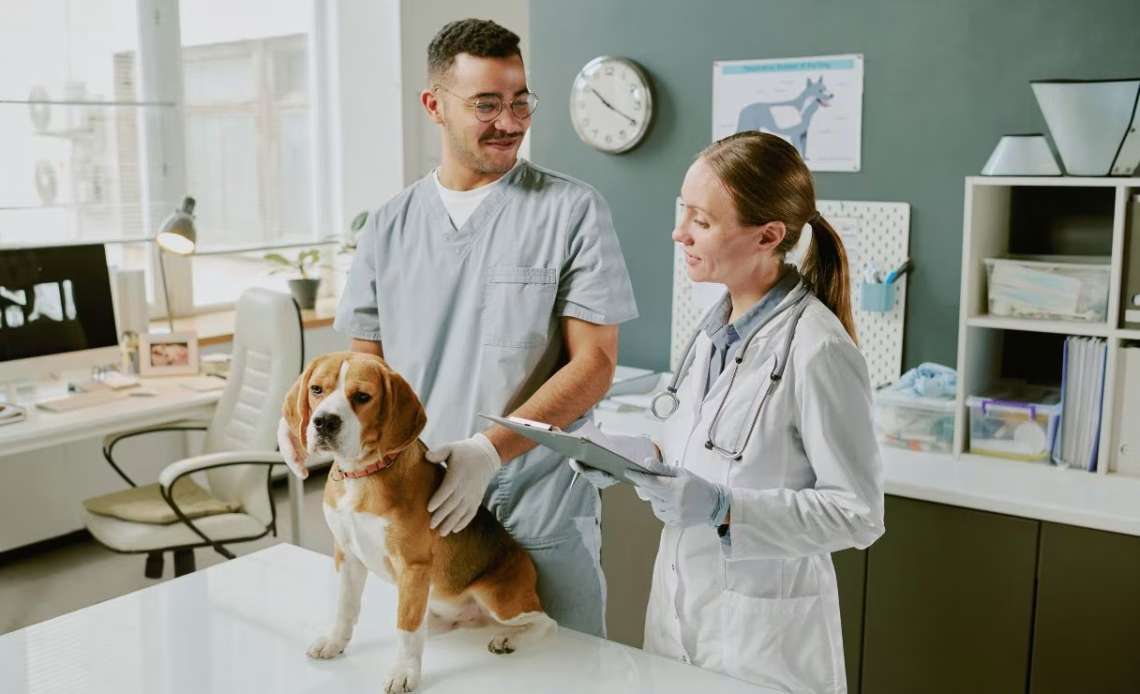
You do not bring a pet to an animal clinic because you have extra time or extra money. You go because something feels wrong, or because you are trying to prevent something from going wrong, and that pressure sits in your chest the whole visit. You want clear answers, fast decisions, and care that actually helps, especially when you need urgent care for sick or injured pets in Cape Coral. That is where technology has changed the day-to-day reality of veterinary medicine. The best systems do not replace the human side of care. They support it, speed it up, and help teams catch problems sooner.
How animal hospitals use technology to improve outcomes comes down to a few practical shifts. Digital records reduce missed details. Imaging tools make diagnosis faster. Lab equipment shortens the wait for results. Monitoring systems help staff react sooner when a patient declines. Telemedicine and client communication tools make follow-up easier, which often means better recovery at home. In plain terms, veterinary technology improves care by helping teams make better decisions with less delay.
Veterinary technology improves care when time and accuracy matter most
A lot can go wrong when an animal cannot explain what hurts. A dog may stop eating, a cat may hide pain until the problem is advanced, and a farm animal may show only subtle signs before illness spreads through a herd. Guesswork costs time, and time changes outcomes.
Digital imaging gives veterinarians a faster look at fractures, swallowed objects, lung changes, and dental disease. In-house blood analyzers can flag infection, organ stress, or dehydration during the same visit. Ultrasound helps clinicians see fluid, masses, pregnancy status, and internal changes without waiting days for outside scheduling. These are not fancy extras. They are tools that shrink the gap between suspicion and treatment.
That speed matters emotionally and financially. When a diagnosis takes too long, you may pay for repeat visits, broad treatments that may not work, or emergency care that could have been avoided. A faster answer often means a more targeted plan. If a clinic can confirm pancreatitis, urinary blockage, or internal bleeding early, the care path changes right away.
Technology also improves the less visible parts of care. Electronic medical records reduce handwriting errors and make it easier to track trends across visits. A technician can compare weight loss over months, review past drug reactions, or confirm vaccine history in seconds. For larger public health concerns, animal hospitals and veterinary networks also rely on surveillance and reporting systems that support disease monitoring. The USDA outlines how animal disease tracking works through its surveillance programs, which help identify patterns before they become larger outbreaks.
Animal hospitals use digital tools to support safer treatment plans
Treatment does not end with a diagnosis. Dosing, anesthesia, follow-up, and infection control all carry risk if a team is working from incomplete information. A strong hospital system uses technology to reduce those blind spots.
Anesthesia monitors track heart rate, oxygen levels, blood pressure, and temperature in real time. That changes surgical safety in a very direct way. A pet under anesthesia can decline quickly, and early alerts give staff a chance to intervene before a problem turns serious. The same idea applies to hospitalized patients on fluids, oxygen, or postoperative pain medication. Continuous monitoring helps staff act on trends instead of waiting for a crisis.
Medication software adds another layer of protection. It can flag dose ranges, weight-based calculations, and possible drug interactions. For pets with chronic conditions such as diabetes, kidney disease, or seizures, that consistency matters. One small error can set recovery back or create a new emergency.
Public health technology plays a role too, especially for clinics involved in livestock, travel documentation, or regulated disease control. The USDA provides veterinary service applications that support official processes tied to animal health records, movement, and compliance. These systems help clinics document care and meet reporting standards more efficiently.
Technology in veterinary hospitals works best when it improves communication
You have probably felt this part yourself. The hardest moment is often not the test or the treatment. It is the waiting, the missed callback, the medication instructions that blur together once you get home. Technology helps when it closes that gap.
Text reminders improve vaccine and recheck compliance. Client portals give you lab results, discharge notes, and prescription details in one place. Telemedicine follow-ups can help a veterinarian check incision healing, mobility, appetite, or skin response without forcing another stressful trip for a stable patient. That convenience is not just about comfort. It supports better adherence, and better adherence usually means better outcomes.
Technology in veterinary hospitals also helps teams coordinate internally. Reception, technicians, and doctors can all see the same notes, the same treatment plan, and the same alerts. That lowers the chance that one important detail gets lost during a shift change or a busy afternoon rush.
Common tools in an animal clinic and their practical impact
| Technology | What It Helps With | Practical Benefit |
|---|---|---|
| Digital X-rays | Fractures, foreign bodies, chest and abdominal changes | Faster diagnosis and quicker treatment decisions |
| In-house lab analyzers | Bloodwork, chemistry, infection markers, organ function | Same day results and fewer delays |
| Ultrasound | Soft tissue imaging, fluid checks, pregnancy, masses | Noninvasive insight without exploratory surgery |
| Anesthesia and patient monitors | Heart rate, oxygen, blood pressure, temperature | Safer procedures and earlier intervention |
| Electronic medical records | History, medications, trends, alerts | Better continuity of care and fewer errors |
| Client communication platforms | Reminders, discharge notes, follow ups | Better compliance at home and fewer missed steps |
Small steps help you get more from modern animal hospital care
Ask how the clinic handles diagnostics and monitoring. You do not need a technical lecture. Ask whether they offer in-house bloodwork, digital imaging, surgical monitoring, and aftercare communication. A clinic that can explain its process clearly is usually more organized in the exam room too.
Keep your pet’s history updated and accessible. Bring medication lists, vaccine records, past diagnoses, and any recent symptoms with dates. Even the best animal hospital technology depends on good input. Clean information helps the team spot patterns faster.
Use the follow-up tools you are given. Read discharge notes, respond to text reminders, send photos when requested, and book rechecks on time. Recovery often depends less on one dramatic treatment and more on consistent care after the visit.
Better outcomes come from faster insight and steadier care
When an animal is sick, you are not looking for buzzwords. You are looking for relief, direction, and a real chance at improvement. Technology helps an animal clinic deliver that by making diagnosis faster, treatment safer, and communication clearer. The human side still matters most, but good tools give skilled veterinary teams more chances to get it right. If your pet needs care, choose a clinic that uses modern systems with purpose and explains what those tools mean for your pet’s next step.