
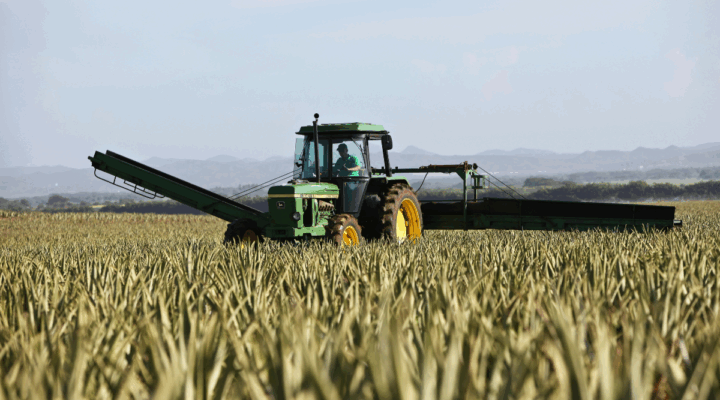
Nothing is worse than your tractor dying during harvest or a critical planting window. The weather is on your side, the job needs to be done, and there’s your machine idled and broken. Yet some farms never seem to have the situation. Their equipment continues operating in times that it needs most and when it does have an issue, it is fixed in no time.
It’s not that they’re fortunate. It’s that they’ve made different decisions regarding equipment and replacement over the years, their relationships with suppliers, and their attitudes toward maintenance. Farms that always seem to be operating during critical times do it differently from the beginning.
Purchasing Equipment With Support in Mind
If equipment is going to operate, it starts with what you purchase and from whom. For example, a tractor from a brand with a good dealer in the region means that parts are accessible, and technicians are familiar with the types. Therefore, when something goes wrong, it doesn’t require waiting for parts over three business days to arrive or having a dealer unfamiliar with the workings.
This is why kubota dealers perth comes into play. Reliable equipment and reliable repair options mean when problems do arise, they do not compound themselves into extended periods of downtime. Buying machinery from brands that have proven reputability and accessibility means becoming stranded is unlikely.
On the contrary, while it might be cheaper to buy the cheapest version or with the least popular brand, this comes with major risk. When harvest is underway and the only dealer who services your equipment is hours away, the risk isn’t worth the upfront savings. Instead, spending a little extra for equipment purchased from mainstream brands known for good dealer coverage makes more sense to avoid catastrophic downtime.
Parts That Matter
It’s one thing to have parts in stock but it’s another thing for those stock parts to be local. A dealership that has inventory means that if there is a problem—a hydraulic line broken or starter failure—and it’s in stock, by the end of the day or next day it can be replaced.
When parts need to come from across the ocean or from the interior of a continent, something that should only take a day becomes compounded by waiting a week for shipping.
Farms that never have equipment sitting and broken stock parts either via their dealerships or for themselves. Parts that owners keep readily accessible include belts, filters, common hydraulic fittings. While this is money sitting on a shelf (or in a workshop), it’s better to have spare parts on hand than wait until tomorrow when time is of the essence. When something breaks during the midnight hours of harvest, having the part in the workshop then waiting for parts counter hours to open represents time lost.
Maintenance That Prevents Breakdown
These are straightforward tasks to take advantage of but when completed will avoid machinations from breaking down. This includes changing oil on time, changing filters before they are thoroughly clogged up, and greasing routinely.
Farms that never have their equipment sitting broken maintain these basic expectations religiously. They do not skip services because they’re too busy at harvest. They do not run their vehicles “just a little longer” on old oil or other worn parts because they are excited to begin the next job. Instead, they anticipate they will need equipment to work during critical times, which means they maintain everything during down times.
Inspections before seasons begin mean problems can be resolved before they cause failures. Checking belts, hoses, fluids, and tires prior to either planting or harvest means these can be resolved during down times instead of creating consistent breakdowns when things get busy.
Backup Plans
Farms that operate with consistent uptime do not rely on one piece of machinery for critical operation. Instead, they have backup equipment or arrangements with neighboring farms to borrow options if something goes awry.
This backup plan costs money in extra machinery or obligation to help in kind, but it avoids an entire cessation of work. Some farms rent equipment over critical periods to avoid relying on machination alone.
In hiring an additional tractor for heavy load capacity that might be unusable beforehand means if the main tractor goes down at least work continues and it won’t matter. The cost is minor compared to losing out on crops due to weather patterns setting in while equipment stands idle.
It’s important also to maintain relationships with other farms for compatible equipment since one never wants to ask for help in an emergency—they should have planned for it beforehand. Most farming families have these relationships but they take diligence to maintain year-round and not just when one needs assistance.
Solid Dealer Relationships Beyond Sales
The farms that receive priority service when things go wrong are those who have established relationships with their dealers long before a need arises.
They buy their parts from them. They service their appliances at them. They do not walk into a place expecting an immediate solution only when failure occurs because those dealers do not remember service consumers at all times like this. They’re memorable when they’re on your side.
When parts are scarce because demand is overwhelming during peak season or repairs are booked solid because they’re short-staffed, those who have established relationships get priority. This is not a universal policy; it’s just how things work.
Paying bills without question in a timely fashion, not overusing warranty claims, and being reasonable about service expectations build up goodwill for all involved. On the contrary, farms that act entitled will find themselves lowest on the priority list when everyone needs assistance at once.
Knowing When to Call for Help
Some farms believe they can fix everything because there are capable hands and it’s easier than having to pay someone else. This is true for small jobs but complex repairs or diagnostics often take longer and cost more than having someone treat it right from the start.
Farms that avoid problems know their limitations. They maintain basic repairs on small bits but call professionals in for anything complicated. This avoids making a problem that’s fixable become bigger than life through diagnosis gone wrong or mistakes made through improper repairs.
Complicated problems are best left to experts anyway. Having established relationships over time mean they’ll take your call during critical times; it’s far more difficult to find someone willing to come out as an unknown customer during critical times than seeking out a technician who’s serviced your machinery day in and day out.
Age and Replacement Timing
Old machines fail more often at intervals that make sense; new machines fail predictably. Parts become more difficult for older machines. Repairs skyrocket as everything has even wear and tear just at different times versus all at once.
Farms that maintain uptime excess reliability replace or rebuild all major appliances before they reach problems like this. They keep track of service hours and condition and make replacements before value is lost instead of running them into the ground; although this option saves money initially, it’s not worth the risk of operational downtime.
Keeping one older backup machine for non-critical application while relying upon newer machines for critical operation saves money down both roads and incorporates reliability—as long as minor things go wrong during minimally risky times instead of primary pieces failing during critical seasons.
The Cost of Having Equipment Sitting Broken
When machines sit broken during critical times it costs much more than having it fixed in the first place. Diminished productivity options let alone diminishing crop success because operations lag due to anticipated weather patterns mean projects fall short of expectations.
A breakdown over two days during harvest results in quality quantity that’s worth thousands lost; delayed planting due to machinery failure compacts minimized yield efforts for the full season mandated by what could have been avoided.
When these opportunities are compared to downstream value potential, investing reliability makes a financial play—better machines; greater dealer relations; offering up maintenance schedules; developing backup plans–they all account for excess expectations that most don’t reach.
Farms that avoid sitting with equipment broken during critical momentum are not magically lucky—they’re steadfast on making choices and financial decisions that prioritize uptime when necessary most. Reliable operation comes through well-purchased equipment options maintained within expectations through well-reasoned dealer relationships and backup plans that facilitate well-oiled efforts consistently.