
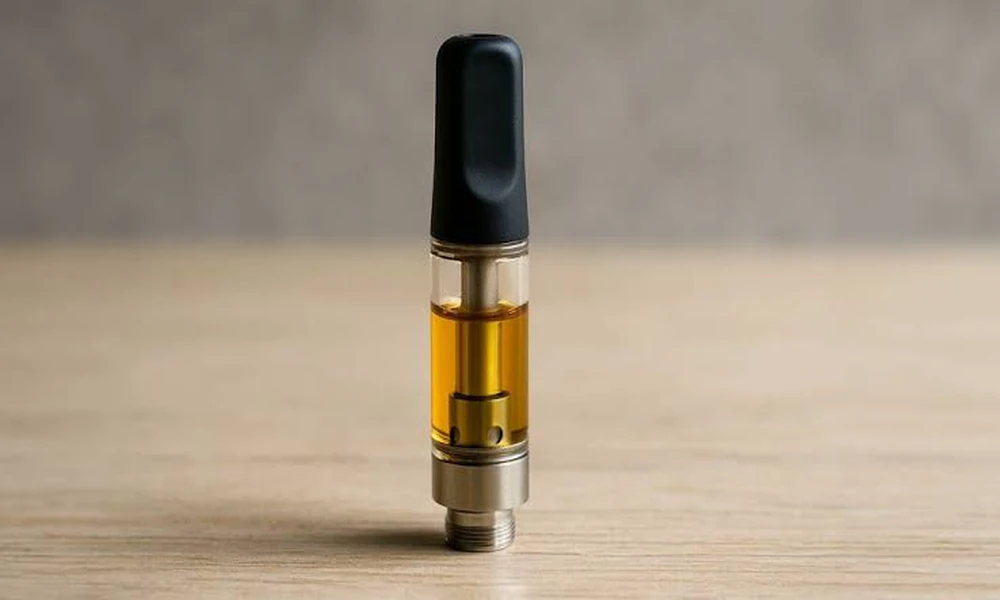
What must first-time buyers check?
First-time buyers need to walk through
- Oil content accuracy,
- Hardware material compatibility,
- Current batch documentation
Before settling on any THCA cartridge. best thca carts are confirmed through those three checkpoints, not through label claims or concentration figures that carry no independent backing behind them.
A cartridge that skips any one of those three areas leaves a gap that shows up in use. Oil content accuracy tells you whether the distillate matches what was printed. Hardware material compatibility tells you whether the build can actually handle that oil. Current batch documentation tells you whether any of it was verified recently enough to mean something. Buyers who work through all three before purchasing avoid most of the problems that make a first cartridge experience unreliable.
Oil content accuracy
Oil content accuracy starts with the potency figure, but does not end there. Raw cannabinoid concentration sets vapour density and draw weight per session, with the 85% to 95% range covering most refined distillates that balance purity with workable oil consistency. Figures above that range move toward near-isolate territory where terpene presence drops and oil behaviour becomes harder to predict.
Terpene data sits alongside oil content accuracy as an equally important variable. Terpene percentage controls oil thickness, coil feed rate, and draw resistance across the full cartridge fill. A listing that shows both THCA concentration and terpene percentage together signals that oil content accuracy was treated as a complete picture rather than a single number. Products missing terpene data often substitute synthetic fillers that respond inconsistently to heat, which breaks oil content accuracy at the point where it matters most.
Hardware material compatibility
Hardware material compatibility determines whether the cartridge shell, coil, and vapour path can handle high-concentration THCA distillate across repeated sessions without introducing anything unwanted into the draw.
- Ceramic coils distribute heat evenly across the oil chamber and resist residue accumulation better than metal alternatives, making them the most compatible coil type for refined THCA oil.
- Glass shells with stainless steel internals remain chemically inert against high-concentration distillate, which is the baseline requirement for true hardware material compatibility across extended use.
- Polycarbonate shells fail hardware material compatibility gradually, softening at sustained operating temperatures and introducing flavour contamination that builds across sessions without a single obvious point of failure.
- Mouthpiece bore width is the final hardware material compatibility variable, with wider bores reducing draw effort and narrower ones adding resistance that compounds across longer sessions.
Current batch documentation
Current batch documentation includes a Certificate of Analysis produced by an independent laboratory and tied to the cartridge packaging batch number. When the report is not connected to the particular batch in hand, the buyer has little idea what he is really holding.
Oil content accuracy and hardware material compatibility mean nothing if the current batch documentation does not confirm them independently. Solvent carry-over from extraction introduces harshness that neither hardware quality nor oil refinement can offset. Pesticides present in the source hemp follow the distillate through refinement and concentrate as purity increases. Metal contamination from substandard coil materials builds quietly across sessions, with early draws feeling normal while the degradation compounds in the background. A report dated within 90 days of purchase and matched to the batch number on the packaging closes the gap that the label claims alone will never fill.
Oil content accuracy, hardware material compatibility, and current batch documentation each cover a distinct layer of what makes a THCA cartridge worth purchasing, and gaps in any one of them surface in performance sooner or later.