
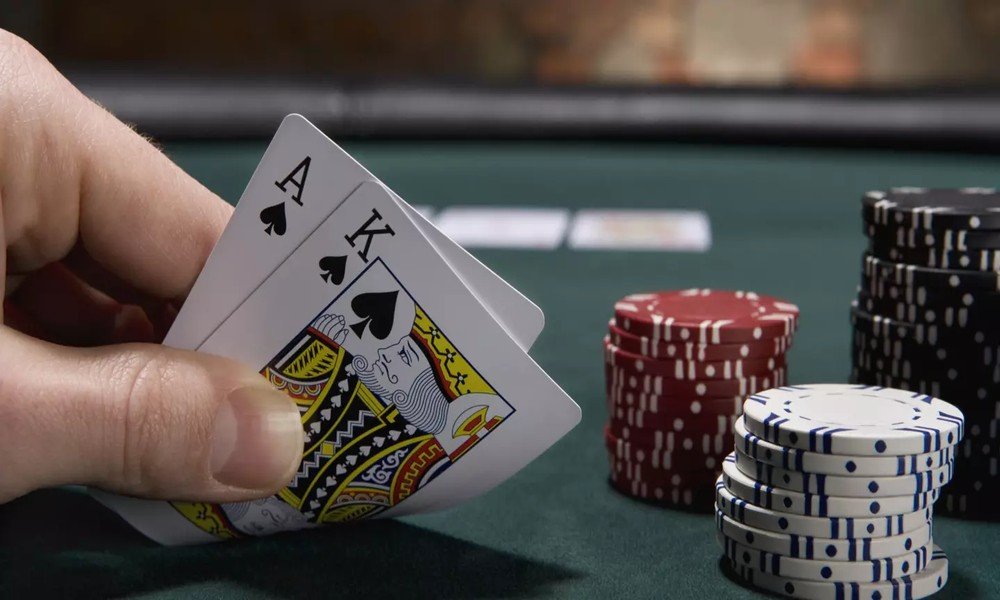
Deposit mechanisms determine how smoothly players fund their gaming accounts. online casinos mit tether einzahlung operate through specific technical processes that differ from traditional banking. These systems help players navigate deposits confidently without mistakes that cost time or money. The flow from personal wallet to casino balance involves multiple steps, each serving a particular purpose. Network selection, address generation, confirmation monitoring, and balance crediting all work together to create the complete deposit experience.
Wallet connection initiation
Players begin by accessing the casino’s deposit section through their account dashboard. The platform presents available payment options, including various tether network versions. Selecting USDT triggers the deposit interface, showing either a destination address or wallet connection prompt.
- Web3-enabled platforms request wallet connection directly through browser extensions like MetaMask. Players approve the connection request, granting the platform permission to view wallet addresses without accessing funds. This handshake establishes communication between the wallet and the casino. Non-custodial platforms use this method exclusively, never touching player funds directly.
- Traditional casino interfaces display static deposit addresses instead. Players manually copy these addresses into their wallet applications. QR codes provide scanning alternatives for mobile users, avoiding typing errors. Each player typically receives a unique deposit address, letting the platform track incoming transactions automatically. Address reuse across multiple deposits remains standard practice on most platforms.
Network specification requirements
- Tether exists across multiple blockchain networks simultaneously. ERC20 operates on Ethereum with higher security but expensive fees. TRC20 runs on TRON, offering near-zero costs and extreme speed. BEP20 functions on Binance Smart Chain, balancing both considerations. Players must select the correct network matching what the casino accepts.
- Mismatched networks cause permanent fund loss. Sending TRC20 tether to an ERC20 address makes funds irretrievable in most cases. Casinos display prominent warnings about network selection. Some platforms accept multiple networks, letting players choose based on their preferences. Others limit deposits to single networks, requiring players to hold tether on that specific chain.
- Network indicators appear clearly during deposit processes. Colour coding, icons, and explicit text labels help prevent mistakes. Better platforms implement network detection automatically, recognising which version players hold and displaying appropriate addresses. This automation reduces user error substantially.
Transaction broadcasting mechanics
- Players enter deposit amounts in their wallet applications after confirming the destination address and network match. Wallet interfaces display estimated network fees before confirmation. These fees vary dramatically by network and current congestion levels. TRON fees stay negligible. Ethereum fees fluctuate wildly from a few dollars to fifty-plus during peak usage.
- Confirmation initiates the blockchain broadcast. The transaction enters the mempool, awaiting validator inclusion. Priority depends on the fee amount paid. Higher fees get processed first during congestion. Most casino deposits don’t require premium fees since players tolerate slight delays for savings.
- Transaction hashes are generated immediately upon broadcast. Players receive unique identifiers tracking their specific transfers. Copying these hashes lets players monitor progress through blockchain explorers. Good casino interfaces detect incoming transactions automatically, displaying pending status without requiring hash submission.
Balance crediting automation
- Smart contract platforms credit balances automatically once confirmation thresholds are met. The contract monitors deposit addresses continuously through blockchain node connections. Incoming transactions meeting requirements trigger instant balance updates without human intervention.
- Traditional platforms use backend monitoring scripts that check addresses periodically. Detection delays range from seconds to minutes, depending on polling frequency. Once detected, automated systems update player balances through database transactions. Manual intervention only occurs when problems arise requiring a support investigation.
- Currency conversion happens for platforms displaying multiple denominations. Deposited USDT might show as dollars, euros, or platform tokens. Exchange rates apply at crediting time using real-time pricing feeds. Players see familiar currency units even though the underlying value remains tethered.
Recognizing each stage helps players to complete deposits successfully while avoiding common mistakes that cause delays or lost funds.