
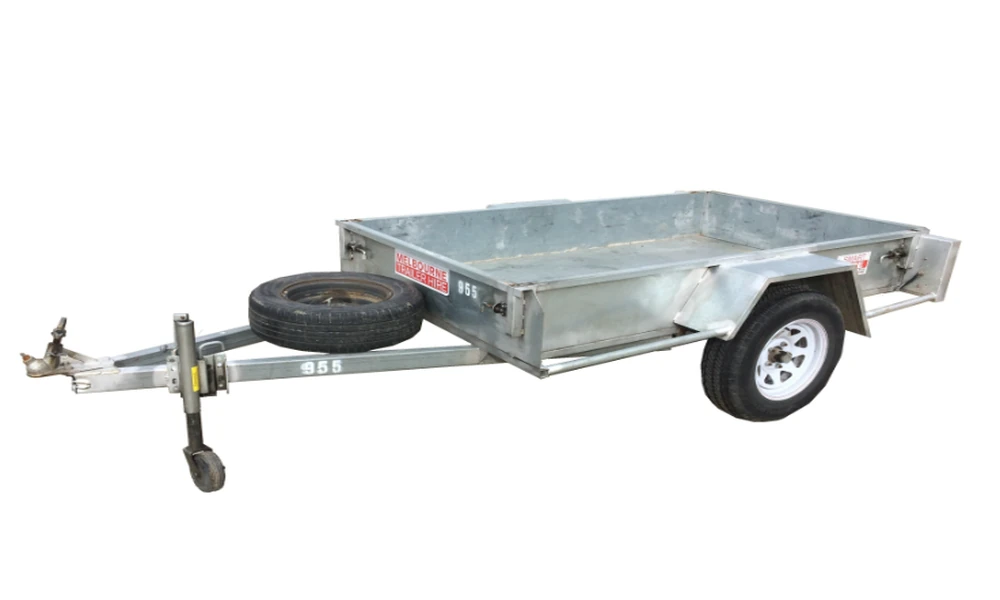
Whether you’re moving furniture, clearing out the garage for a tip run, or picking up a bulk hardware order, a box trailer solves a problem that a standard car boot simply can’t. For anyone who hasn’t hired one before, the process is far more straightforward than it might seem. Understanding Box Trailer Hire basics before you book saves time on the day and helps you avoid a few common first-timer mistakes.
Here’s a practical rundown of what you need to know, from choosing the right size through to towing safely once it’s hitched up.
Confirm Your Car Can Legally Tow It
Before booking anything, it’s worth checking your vehicle’s towing capacity and confirming it has a properly rated tow bar and electrical connection for trailer lights. Most sedans and small SUVs can comfortably tow a small to medium box trailer, but it’s still worth a quick check, particularly for a fully loaded trailer, since exceeding your vehicle’s rated towing capacity is both a genuine safety risk and something that can affect insurance coverage if something goes wrong.
It’s also worth confirming your licence covers the trailer and combined vehicle weight you’re planning to tow, since Victoria’s licensing rules do impose weight limits depending on your specific licence class. For the vast majority of standard box trailer hires, a regular car licence is entirely sufficient, but it’s a detail worth a quick double check if you’re hiring something larger than a standard single-axle trailer.
Choosing the Right Size
Box trailers come in a range of sizes, generally described by their internal dimensions, and choosing correctly makes a real difference to how easily your job gets done. A trailer that’s too small means multiple trips, while one that’s unnecessarily large is simply more cumbersome to tow and manoeuvre, particularly when reversing into a tight driveway or car park.
Matching Trailer Size to Common Jobs
For a single tip run of household rubbish or garden waste, a smaller trailer around six by four feet is usually sufficient. Moving furniture or larger bulky items typically calls for something in the seven by five range, while a full house move or significant bulk material delivery may need the largest single-axle option available, or in some cases, a tandem-axle trailer for genuinely heavy loads.
- Tip runs and garden waste: a compact 6×4 trailer is usually sufficient.
- Furniture and appliance moves: a 7×5 trailer offers useful extra depth and width.
- Bulk material or hardware pickups: check the trailer’s rated payload capacity, not just its size.
- Always use a rated tie-down to secure loose items, regardless of trailer size.
Basic Towing Tips for First-Timers
Towing a trailer for the first time takes a bit of adjustment, particularly when it comes to reversing, which works in the opposite direction to normal intuition. Practising in an empty car park before your actual job, taking corners more widely than usual to account for the trailer’s tracking, and allowing extra distance for braking are all worth keeping in mind. Most hire companies will also do a basic walkthrough of hitching, lights and safety chains before you drive off, so don’t hesitate to ask questions if anything is unclear.
It’s also worth checking tyre pressure and giving the trailer a visual once-over before setting off, even though this is technically the hire company’s responsibility to have sorted before handover. A quick check of your own takes thirty seconds and gives extra peace of mind, particularly if you’re planning a longer drive or a fully loaded return trip.
What’s Typically Included in the Hire
Most Melbourne trailer hire companies include the trailer itself, a functioning tow ball connection, working lights, and basic safety chains as standard. It is worth confirming spare tyre availability and asking whether ratchet straps or tie-down points are included, since not every hire includes these accessories automatically, and turning up without them on the day can mean an unsecured load or an awkward last-minute trip to buy your own.
Insurance coverage is another detail worth clarifying before you drive off. Some hire companies include basic damage cover as part of the rate, while others offer it as an optional extra. Understanding exactly what is and is not covered before an incident occurs, rather than after, saves considerable stress if something unexpected happens during your hire period.
Booking Ahead During Busy Periods
Melbourne trailer hire demand spikes noticeably around long weekends, the end of the financial year, and the warmer months when moving and renovation projects peak. Booking ahead during these busier periods significantly improves your chances of securing the exact size and availability window you need, rather than settling for whatever is left at short notice.
For anyone planning a specific job well in advance, calling ahead to reserve a trailer, even a few days early, removes this uncertainty entirely and ensures the equipment is ready and waiting when you actually need it.
Final Thoughts
Box trailer hire is one of those services that removes a genuine logistical headache for a relatively small cost, and once you’ve done it once, the whole process becomes second nature for next time. Booking ahead where possible, particularly on weekends when demand is highest across Melbourne, ensures you get the size you actually need rather than settling for whatever’s left available.
If you’re at all unsure which size or configuration suits your specific job, a quick phone call to the hire company describing what you’re moving is usually enough for them to point you toward the right option, saving you the guesswork of trying to figure it out entirely on your own.