
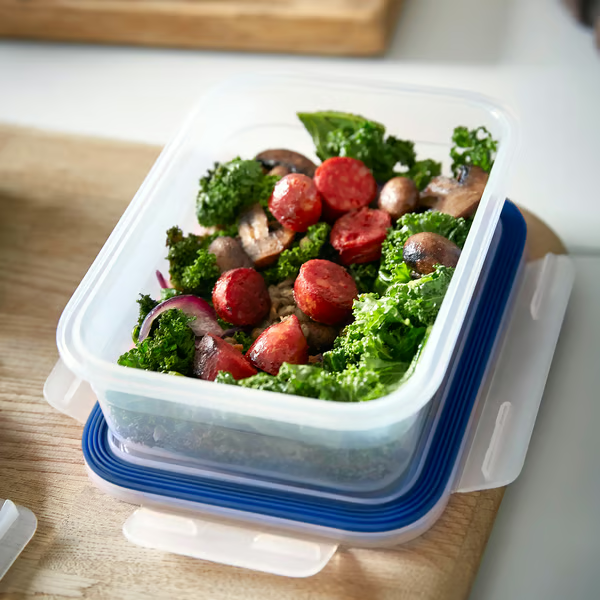
Bekas makanan plastik have become part of our daily lives, but do we truly understand their risks and benefits? In every Malaysian kitchen, from apartments in Kuala Lumpur to kampung houses in Terengganu, these plastic containers store everything from last night’s leftover rice to grandmother’s homemade sambal. However, not all plastic containers are created equal, and understanding these differences can have a significant impact on our family’s health.
Why Safety of Plastic Containers Matters
Our modern lives are difficult to separate from plastic. Plastic storage containers are convenient, lightweight, and affordable. But behind this convenience lies a reality we need to face with open eyes. According to data from the Ministry of Health Malaysia, chemicals from plastic containers can leak and mix with our food, especially when exposed to heat or stored for extended periods.
The Ministry of Health Malaysia emphasises that consumers need to be careful in choosing containers to store food because toxic chemicals can leach, especially from unsuitable plastic types. This is not merely an empty warning. Studies show that substances like BPA and phthalates found in certain types of plastic can disrupt the endocrine system and affect children’s growth.
Recognising Types of Plastic
Every Bekas makanan plastik has a recycling symbol at the bottom, a number from 1 to 7 that tells us the type of plastic used. Understanding this code is like reading a secret language that can protect our families.
PET (1)
Commonly used for water and beverage bottles. Safe for single use only but not heat-resistant. Do not leave bottles of this type in cars under the scorching sun.
HDPE (2)
Safer and more stable, often used for milk bottles and yogurt containers. This type is safer for long-term food storage.
PVC (3)
This one needs to be avoided. Contains hazardous chemicals including BPA, phthalates, and cadmium. Stay away from containers with this code.
LDPE (4)
Quite safe for food, but can leak toxic substances if exposed to UV light for prolonged periods.
PP (5)
The best choice for hot food, safely withstands high temperatures.
Smart Ways to Use Plastic Storage Containers
Wise usage is more important than merely choosing the right container. In our kitchens, small habits can make a big difference. First, avoid heating food in plastic containers in the microwave unless the container is labelled as microwave-safe. Heat accelerates the process of chemicals leaking into food.
Second, discard old plastic containers that have become scratched or discoloured. Scratches become breeding grounds for bacteria and facilitate chemical leakage. Third, do not use plastic containers to store very hot food. Allow food to cool first before transferring to plastic containers for storage.
Safer Alternatives
Many Malaysian families are now switching to more sustainable and safe options. Glass and stainless steel containers are increasingly popular, although they cost slightly more. This investment is worthwhile for long-term health. Glass containers do not leak any chemicals, are heat-resistant, and can be used repeatedly without risk.
For those who still need bekas makanan plastik due to their practicality, choose high-quality ones with ‘BPA Free’ labels and code numbers 2 or 5. In the Malaysian market, there are many choices at various prices. Remember, cheap does not necessarily mean economical if it endangers health.
Impact on the Environment
The use of Bekas makanan plastik is not merely a personal health issue. According to a World Wildlife Fund Malaysia report in 2022, every Malaysian uses 16.8 kilograms of plastic packaging per year. This is a heavy burden on our environment. Plastic takes hundreds of years to decompose, and during that process, it releases toxic substances into soil and water.
The United Nations Environment Programme warns that the way plastic is produced, how we use it, and how we dispose of it results in serious ecosystem pollution. Our oceans are expected to contain more plastic than fish by 2050 if no immediate action is taken.
Practical Steps for Malaysian Families
Change does not need to be drastic to be meaningful. Start with small steps:
- Bring your own containers when buying food from outside
- Choose reusable containers over disposable ones
- Teach children about the importance of reducing single-use plastic
The Malaysian government has launched the Roadmap Towards Zero Single-Use Plastics 2018-2030. As citizens, we can support this initiative with our daily choices. Every small decision in our kitchens contributes to a cleaner and healthier future.
Awareness Begins at Home
Proper food storage in the refrigerator also requires attention. Store raw and cooked food in separate sections to avoid cross-contamination. Use tightly sealed containers to maintain freshness and prevent odours from mixing. Do not store food in the refrigerator for more than three days for meat and five days for other foods. Label containers with dates for easier management. These simple habits ensure food remains safe and fresh whilst reducing waste. Container cleanliness is also important, wash with soap and warm water after each use.
In facing fast-paced modern life, we often forget that health begins at home, from the choices we make every day. Choosing and using Bekas makanan plastik wisely is not merely about today’s safety, but also about leaving a good legacy for future generations.