
When the temperature drops, skin starts acting differently. Cold outdoor air holds very little moisture, and indoor heating pulls out even more. The outer layer of the skin, which keeps it calm and comfortable, gets worn down day by day. Most people react by switching to a heavier cream. The rest of their routine, including how they book spa treatments, often stays exactly as it was in July.
That’s a missed opportunity, because spa treatments help most when they change with the season. A full service salon and spa like Jolie Spa offers facials, massages, body wraps, manicures and pedicures in one place. That makes it easier to treat your face, body, hands and feet as one winter plan instead of a string of unrelated appointments.
Before booking anything, it helps to know what cold weather is really doing to your skin. Some everyday habits make things worse without you noticing. The American Academy of Dermatology suggests keeping baths and showers to 5 to 10 minutes and putting moisturizer on right after drying off. Those two small changes make every spa treatment work harder.
What Cold Air Actually Does to Skin
Healthy skin holds water using a mix of natural oils, fats and proteins in its top layer. Dry winter air and hot showers strip those away faster than the body can replace them. The result is tightness, flaking, dull color and sometimes small cracks around the knuckles or heels.
Sensitivity rises at the same time. Products that felt gentle in summer can start to sting. Exfoliating acids, retinol and strong scrubs suddenly seem harsher, because the skin’s protective layer is thinner. This is the main reason spa care needs to change in winter. The goal moves from renewing skin to protecting and rebuilding it.
Facials Shift From Peeling to Replenishing
Summer facials often focus on deep cleansing, oil control and brightening peels. In winter, a good esthetician usually reverses that order.
Exfoliation gets lighter. Gentle enzyme exfoliation or a soft manual polish removes flakes without exposing raw skin. Strong peels are better saved for spring, when there’s less wind and indoor heat.
Hydration takes center stage. Masks built around hyaluronic acid, glycerin and ceramides pull water into the skin and help hold it there. Layering a hydrating serum under a richer mask is a common winter approach.
Massage carries more weight. Facial massage boosts circulation, which can bring back some of the color that winter dullness takes away. It also helps a treatment feel restorative rather than purely clinical.
If your skin turns red or itchy after a facial in winter, tell your esthetician. That reaction usually means the treatment needs to be gentler, not that facials are wrong for your skin.
Why Body Treatments Matter More Now
Arms, legs and the back often dry out before the face does, partly because people rarely moisturize them as carefully. A long, hot shower followed by a rushed towel dry is one of the most common causes of winter itch.
Body wraps make sense in the colder months. A detoxifying or hydrating wrap holds a nourishing layer against the skin for a set time. The warmth helps the ingredients soak in, and skin usually feels softer for days afterward. Combined with a gentle body scrub first, a wrap clears dead skin and then refills moisture in one visit.
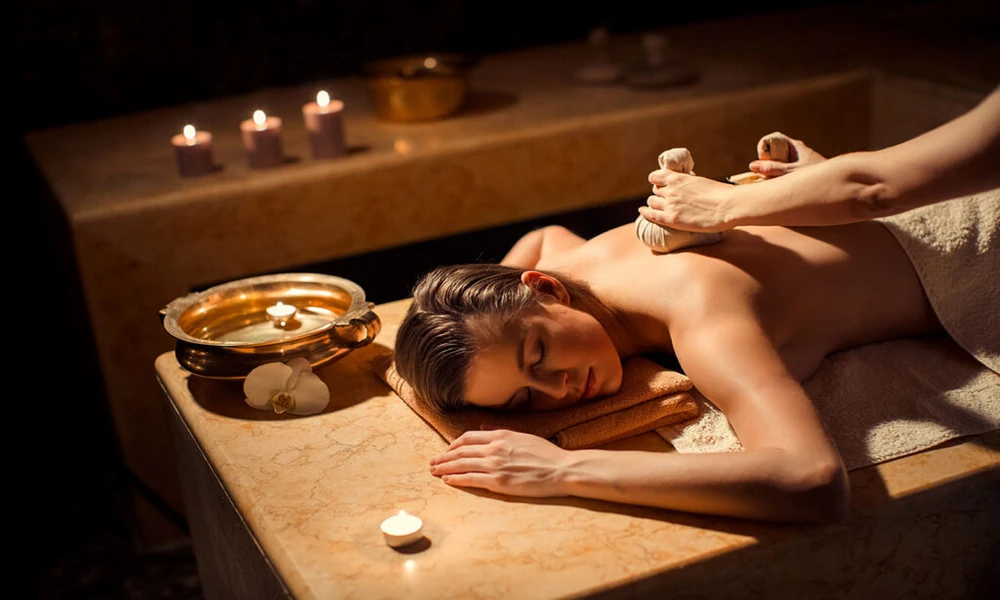
Massage plays a different but equally useful role. Short days, holiday stress and less outdoor movement tend to leave people tense and stiff. A massage with nourishing oils softens skin while it relaxes the muscles. Aromatherapy blends add another calming layer, which many people find helpful during darker evenings.
Hands and Feet Take the Hardest Hit
Hands get washed and sanitized all day, and feet spend months inside closed shoes and thick socks. Both show winter damage faster than any other part of the body. Common signs include:
- Cuticles that split, peel or form painful hangnails
- Rough, cracked heels that catch on bedsheets
- Nails that turn brittle and break more easily
- Dry patches on the knuckles that sting when you wash your hands
A winter manicure works best when it focuses on cuticle care and hand massage with a rich cream, not just polish. A paraffin dip, where offered, is especially soothing for cracked knuckles. For feet, a pedicure that pairs careful callus smoothing with a long soak and a heavy balm can bring rough heels back within a few sessions. Removing too much callus can backfire in cold weather, though, so a light touch is better than aggressive filing.
Pacing Appointments Through the Season
Timing matters as much as choosing the right treatment. One intensive spa day before a holiday party helps for a week or two. After that, the effects fade if nothing supports them.
A steadier rhythm works better for most people. A hydrating facial every four to six weeks keeps the skin barrier in good shape without overloading it. A body treatment or massage once a month eases dryness and tension. A manicure and pedicure every few weeks keeps hands and feet from cracking.
It also makes sense to plan around the calendar. Booking a facial a week before an important event leaves time for any redness to settle. Pairing a massage with a body wrap on the same visit saves time and lets each treatment boost the other.
Making the Results Last at Home
Spa treatments go further when your daily habits support them. The National Library of Medicine’s MedlinePlus guide to dry skin self care names cold winter air, furnace heat, and long, hot showers as common causes of dryness. Each of those is something you can manage at home.
Running a humidifier in the bedroom adds moisture back into the air overnight. Switching to a fragrance free cleanser takes stress off sensitive skin. Applying cream within a few minutes of bathing, while your skin is still slightly damp, locks in more water than applying it later. Wearing gloves outdoors protects your hands, and soft cotton layers under wool sweaters stop friction on already irritated skin.
Lips and the thin skin around the eyes also need attention. A simple balm used through the day prevents the painful cracking that winter wind often causes. A richer eye cream at night keeps fine lines from looking more pronounced.
Approached this way, winter skin care becomes a steady partnership between occasional professional treatments and small daily habits. The spa provides deeper hydration, expert technique and a real chance to unwind. Home care keeps those benefits from fading between visits. When both adjust to the season, skin comes out of winter feeling comfortable rather than worn down, and the transition into spring is much smoother.