
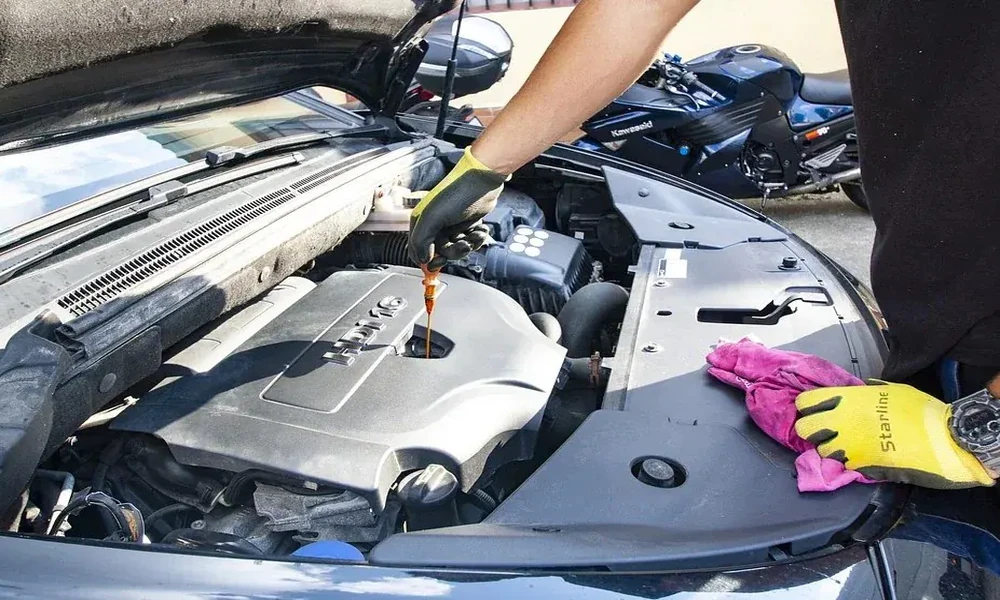
Your first car service is a chance to establish a clear maintenance baseline. Knowing what to book and what to check at pickup can make the visit feel more manageable.
Figure out when service is due and which type is needed
Most cars call for service by time or distance. The dash may show a wrench icon or a message tied to the date or odometer reading. The logbook lists the service intervals. The earlier of the two counts, so a visit may be due at the 12-month mark even if the kilometers are low.
Workshops may describe packages as minor or major, but those labels do not have universal contents. For a combustion-engine car, a shorter visit often includes engine oil and filter replacement alongside specified inspections. A longer visit may include additional scheduled replacements. Electric vehicles have different requirements. Give the workshop the vehicle details and ask which manufacturer’s tasks are due, rather than choosing by package name alone.
If the car has capped-price servicing, covered standard visits have a set ceiling under the plan. That ceiling generally covers scheduled items, with wear parts and damage outside it. It can make early budgeting easier. Ask what is included and what could be billed separately so the quote is clear. Keep the book in the car.
If you bought used, check the last service stamp. A gap does not always mean missed maintenance, but it is a reason to request past invoices. Look for the odometer reading and date on each record. Together, they help show whether servicing followed time or distance intervals. Have those papers ready when booking if anything looks unusual.
Decide between a dealership and an independent workshop
First-timers often consider both dealerships and independent workshops. Ask either about experience with the exact model and access to equipment and information needed for the scheduled work. Availability and pricing vary, so compare actual booking options rather than assuming one type will always be faster or cheaper. Distance and opening hours also matter when planning the day.
Many drivers worry that an outside workshop will affect the manufacturer warranty. The implications depend on the warranty terms and applicable consumer protections. Maintenance schedules, suitable parts, and service records may matter when a claim is assessed. If considering an independent, ask how it records oil specifications and part numbers. Ask whether it stamps the book or updates the digital record. Keep invoices, without assuming paperwork alone will settle every warranty question.
Parts choice affects the quote. Genuine and aftermarket options can differ in price and specifications. Suitability depends on the particular part and vehicle requirements, rather than the label alone. Ask which brand is quoted and why the workshop recommends it. If you have a capped-price plan, compare its price with an independent quote covering the same scheduled work.
When you call, have the plate and odometer reading ready so the advisor can identify the schedule and prepare a relevant quote without repeated calls. Ask for a logbook service and an explanation of its contents. Check the expected time on site and whether a booking fee applies. Clear details now help prevent mix-ups later.
Ask about drop-off hours and the pickup window when booking. Some workshops accept early drop-offs for collection later that day. Others offer appointments with an estimated turnaround. If you need transport, ask whether a loan car or shuttle is available for your booking. Arranging this ahead avoids a scramble that morning.
Cost and convenience often decide it. Many drivers choose a car service that is easy to reach and clear about what the quoted price covers.
Get ready before drop-off
Vague requests can lead to less focused checks. A short fault list gives the technician something specific to investigate. Note when a noise occurs and whether it changes with speed or braking. Record warning lights and how long they remain lit. Include unusual smells and where they seem to come from. Clear notes are more useful than trying to remember everything at the counter.
Write the list on paper or in your phone. A technician may need context to reproduce last week’s rattle. Explain whether it happens on cold starts or only when warm. Mention steering that pulls or brakes that feel soft. Include recent repairs and any fluids topped up. Bring the logbook and a spare key only if requested. Include the wheel lock key if the car has one.
Photos can help explain a concern. Photograph dashboard warnings with the odometer visible only while safely parked. Capture uneven tire wear if you notice it. There is no need to diagnose the cause. These details give the advisor a starting point and may reduce follow-up questions.
Understand drop-off and the approval process
Allow time for the drop-off conversation. The advisor checks your contact details and reviews the service due. Your fault list may be read back to avoid misunderstandings. Fuel and odometer readings are recorded on the work order. You authorize the agreed service and quoted amount. Read it carefully. This document sets out the work approved at that stage.
Agree on how additional recommendations will be handled. Ask for the findings and proposed work, along with a revised total, before anything beyond the authorized scope proceeds. Photos or measurements can help explain a recommendation. If you need time to decide, ask whether continued use is appropriate rather than assuming a postponed repair is safe. If it is unsafe, discuss transport or recovery instead. Keep a written record of additional work approved.
Check transport arrangements before leaving the counter. Loan cars or local shuttles may be available if arranged ahead. If waiting, ask about the waiting area and expected completion time. Request a text update if that suits you better than calls.
Save the advisor’s direct number in your phone.
Learn what happens in the workshop bay
The technician follows the agreed schedule and inspection list. On a combustion-engine car, this may include replacing engine oil and the filter to the required specification. Other tasks depend on the vehicle and service interval. Electric vehicles have different requirements, so a description of a typical service will not necessarily match your car.
What an inspection can tell you
The agreed inspection may cover brakes and tires, lights, wipers, visible leaks, and specified fluid levels. Ask for the findings in the report, including relevant measurements. An inspected component has not necessarily been replaced. Similarly, checking a fluid level is different from carrying out a scheduled fluid change.
If uneven tire wear or another concern is found, the technician may recommend further assessment. A simple adjustment or rotation will not necessarily address the cause. The report should distinguish observations from diagnosed faults and proposed repairs.
Why some visits include more work
Additional scheduled replacements can make a visit longer or more expensive. Filters, particular fluids, or other components may be due at different time or distance intervals. Ask which tasks account for the difference rather than assuming a major package includes every possible replacement.
The workshop may propose testing or a road test suited to a reported symptom. These steps are not automatically included in every service. Ask what was assessed and whether anything remains unresolved. A routine service does not guarantee that the vehicle has no faults.
Make sense of costs and extra recommendations
Costs are easier to follow when scheduled work and possible extras are separated. The service quote should identify the labor and parts included for that interval. A shorter scheduled service may cost less than a more extensive one, depending on the tasks required. Ask for a total including applicable tax and workshop fees before authorizing work. This gives both parties a clear price for the agreed scope.
Work recommended after inspection may fall outside that quote. Brake pads and brake fluid can appear because pads wear with use while fluid requirements relate to the maintenance schedule and condition. Wiper blades or tires may also need attention. A cabin air filter may be due under the schedule or need attention because of its condition. Each proposed item should have a separate price rather than disappear into an unexplained total.
Ask what prompted each recommendation. Useful explanations refer to observable conditions, such as pad thickness in millimeters or tread approaching a wear indicator. A photo may clearly show a torn wiper edge. Request a parts and labor breakdown for each item. Whether work can wait depends on its urgency and the workshop’s assessment, not simply the next service date. Ask for an explanation before approving anything unclear.
Handle pickup and plan the next visit
Pickup is the time to review the record. You should receive an updated logbook or digital record and an itemized service report. The report should describe completed work and relevant fluid findings. Tire observations may be included too. Check whether the service reminder was reset and where the next due point is recorded. Compare the report with the quote and any approved extras, including whether reported symptoms remain unresolved.
Take a moment to check the car before leaving. Walk around it and look for fresh marks. Check inside for tools or cloths left behind. Seats and mirrors may have been adjusted, so check their positions and any memory settings before driving. Ask whether a road test took place and what it showed. Read the invoice line by line. Query anything that does not match the authorized work.
Service timing follows the earlier of time or distance, rather than how the car feels. If the book specifies 12 months or a kilometer limit, whichever comes first sets the next visit. Booking ahead before leaving can make planning easier. A reminder a month beforehand leaves time to find an appointment around work and family commitments.
First-service nerves often ease once the process is familiar. Keep the report with the service records and make sure any outstanding concerns have a clear next step.