
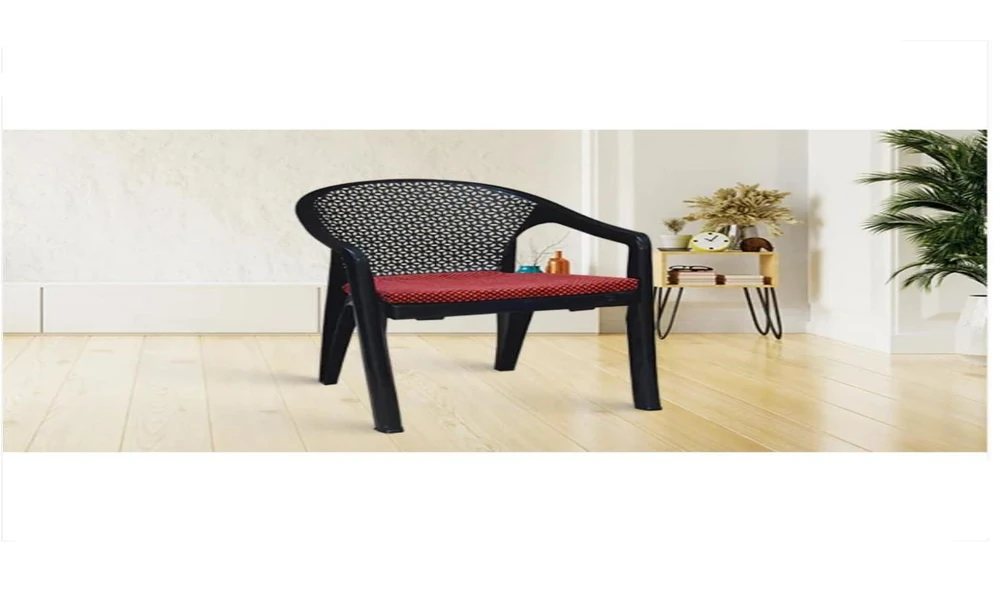
A monoblock chair is a practical seating option for homes, offices, restaurants, schools, events, and other multipurpose spaces. Its one-piece plastic construction makes it relatively easy to move, clean, and store, while the variety of available styles allows buyers to choose according to both function and appearance.
However, not every plastic chair is designed for the same conditions. Before buying one chair or ordering several for a larger space, it helps to look beyond color and price. These seven factors can help you choose a monoblock chair that fits how, where, and how often it will be used.
1. Check the Material and Construction
The material and construction of a monoblock chair can affect how well it performs under regular use. Although the chair is generally molded as a single main structure, plastic formulation, reinforcement, finish, and overall build quality can still vary between models.
Check the manufacturer’s product information and inspect the chair where possible. Useful points to look for include:
– Even surfaces and edges
– Stable legs
– A firm backrest
– Consistent molding
– No visible cracks or weak areas
For frequently used spaces, construction quality becomes more important because the chairs may be moved, stacked, cleaned, and used repeatedly throughout the day.
2. Consider the Chair’s Intended Use
Before choosing a monoblock chair, consider where it will be placed and how frequently it will be used. Seating requirements for a dining area can be quite different from those for an outdoor event, waiting area, classroom, garden, or multipurpose room.
For example, a lightweight model may be useful when staff regularly rearrange seating for events. A chair intended for longer sitting periods may benefit from a more supportive backrest, armrests, or a wider seating area.
Rather than assuming every model suits every environment, compare the intended location, frequency of use, and type of user against the manufacturer’s specifications.
3. Look at Comfort and Seat Dimensions
The dimensions of a monoblock chair can influence comfort, especially when it will be used for longer periods.
Important measurements and features may include:
– Seat width
– Seat depth
– Backrest shape
– Overall chair height
– Presence of armrests
A compact design may work well for short-term seating, while larger seating areas or curved backrests may be more suitable where people will remain seated longer.
For businesses, venues, or institutions ordering in quantity, review chair dimensions before purchasing. Compare them with available floor space, table height, layout, and expected user requirements.
4. Review Load Capacity and Durability Information
A chair’s appearance alone does not indicate how much weight it is designed to support.
Where available, check the manufacturer’s stated load capacity, testing information, and relevant product certifications. These details provide a more useful basis for comparison than simply pressing or flexing the chair by hand.
Durability should also be considered in relation to frequency of use. A monoblock chair used daily in a restaurant, school, office, event venue, or rental business may experience more wear than one used occasionally at home.
Always follow the manufacturer’s stated weight and use conditions.
5. Check Whether It Is Suitable for Outdoor Use
If the chair will be used on a patio, terrace, garden, poolside area, or another outdoor location, confirm whether the specific model is intended for that environment.
Some plastic chairs include features such as UV protection or materials intended to support outdoor use. However, outdoor suitability can vary between models, so it should not be assumed based on appearance alone.
– Recommended indoor or outdoor use
– Exposure to direct sunlight
– Rain and moisture conditions
– Storage arrangements when not in use
Even a monoblock chair intended for outdoor use can benefit from appropriate care and storage when it is not needed.
6. Think About Stacking, Storage, and Movement
A stackable monoblock chair can be particularly practical for restaurants, schools, venues, offices, and event spaces where seating arrangements change frequently.
If chairs need to be stored or moved between areas, consider:
– Whether the model is stackable
– How many chairs can be stored efficiently
– Available storage space
– Chair weight
– Ease of carrying and rearranging
– Stability when in use
Lighter chairs may be easier to move, but they should still provide the stability required for the intended environment.
For businesses purchasing multiple units, storage efficiency can be just as important as appearance because it affects day-to-day operations.
7. Compare Long-Term Value, Not Just Price
When comparing one monoblock chair with another, look beyond the initial purchase price. A lower upfront cost does not automatically mean better value if the chair is unsuitable for the space or needs to be replaced more frequently.
Consider the complete ownership experience, including:
– Expected frequency of use
– Durability
– Cleaning requirements
– Storage efficiency
– Replacement frequency
– Warranty coverage
– Availability of the model
– Suitability for the intended environment
A chair that matches its actual use case may provide better long-term value than one selected mainly because it has the lowest initial price.
For larger orders, inspecting or testing a sample before committing to a full purchase can also help confirm that the chair fits the intended space and use.
In summary, choosing the right chair starts with understanding how and where it will actually be used. Material and construction, comfort, dimensions, load capacity, outdoor suitability, stackability, maintenance, and long-term value should all be considered before price becomes the deciding factor. For households, lightweight and easy-to-maintain seating may be the priority, while businesses and institutions may place greater importance on frequent use, storage efficiency, and clear product specifications.
For buyers looking for practical seating for home or commercial use, Uratex has a range of monoblock chair designs made from polypropylene, with different sizes, styles, and features available across the collection. Many models are designed to be lightweight and stackable, while selected chairs include features such as UV protection, anti-slip foot pads, or fiberglass reinforcement. Buyers can compare the specifications, intended use, load capacity, and certifications listed for each model to find an option that suits their space and everyday seating requirements.