
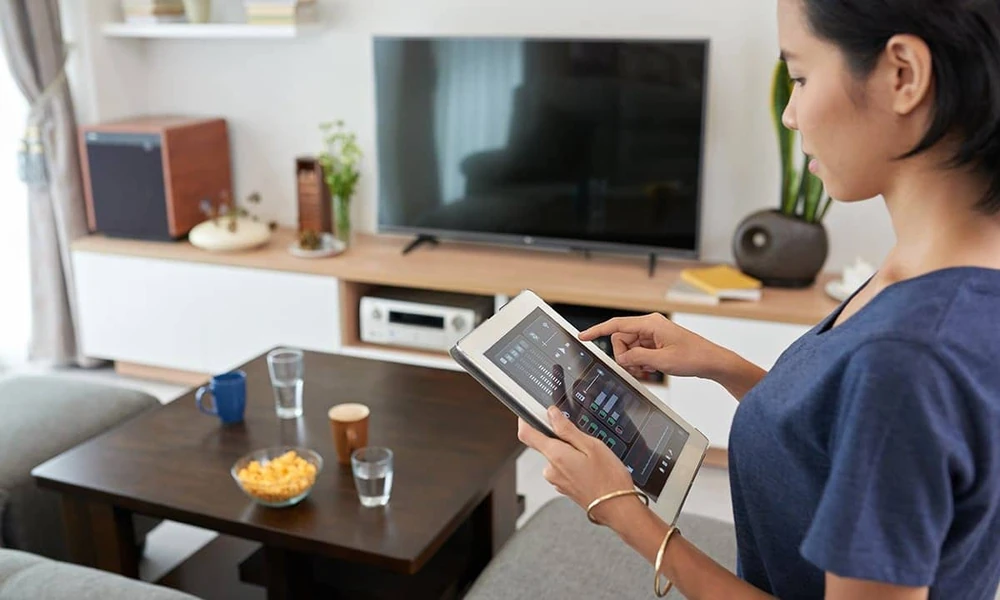
Is a smart home just a collection of futuristic toys, or does it change your daily life in practical ways? While critics often dismiss smart devices as unnecessary, anyone who has lived with them knows they’re more than just impressive gadgets. The real revolution is about making ordinary routines faster, easier, and even more secure.
Debunking the Myth: Smart Home Devices Are Just Fancy Gadgets
Skeptics love to argue that smart bulbs and voice assistants are luxuries with little substance. In reality, smart home technology has outgrown its novelty status. What sets these devices apart is their ability to learn, adapt, and communicate. A smart thermostat, for instance, doesn’t just regulate temperature; it studies your habits, cuts your energy bill, and even responds to the weather outside.
Side-by-side, traditional electronics operate in isolation. Your old lamp switches on and off, but a smart light can be scheduled, dimmed remotely, or synced to your wake-up time. It’s a fundamental shift: from devices that obey, to devices that anticipate.
Comparing Smart Devices with Traditional Electronics
Consider these functional benefits:
– Automation: Smart plugs, thermostats, and lights execute routines without manual intervention.
– Remote Control: Every feature is at your fingertips, even when you’re away from home.
– Customization: Settings adapt to your lifestyle, not vice versa.
Suddenly, the line between simple convenience and transformative technology begins to blur.
Myth 1: Smart Home Devices Are Too Expensive
A common misconception is that upgrading to smart technology inevitably means draining your wallet. While it’s true that smart devices may carry higher upfront price tags, the story doesn’t end there.
Hidden Cost Savings Through Energy Efficiency
Smart thermostats and lights can reduce energy consumption by as much as 15-23%. That translates to serious annual savings, especially in homes with fluctuating schedules. Over time, the efficiency pays for itself. For example, scheduling your heating or air conditioning to match occupancy avoids wasted energy, something traditional systems can’t achieve.
Long-Term Value vs. Upfront Price
It’s not just about the monthly bill. Many smart devices offer firmware updates and compatibility expansions, often extending their usable lifespan. That means a one-time purchase remains relevant for years, compared to conventional electronics that can become obsolete much faster.
Myth 2: Smart Devices Are Difficult to Install and Use
The fear of complex installations and steep learning curves once kept many out of the smart home market. Today’s reality is different.
User-Friendly Setups and Intuitive Controls
Most smart home devices are designed for plug-and-play installation. Mobile apps guide users through every step, making the process seamless, even for non-tech-savvy buyers.
The Role of Voice Assistants and Automation
Voice assistants like Alexa or Google Assistant take accessibility further. Whether you have your hands full or need to make quick adjustments, simple voice commands let you control lighting, security, and entertainment without searching for a remote or clicking through menus.
Myth 3: Smart Homes Compromise Privacy and Security
With every advancement comes a new set of fears. Privacy and security dominate the conversation around smart homes, but much has changed in this realm as well.
Advanced Security Measures in Smart Devices
Manufacturers now build in multi-layer security protocols, including encryption and two-factor authentication. Security cameras, smart locks, and alarm systems provide real-time updates and remote monitoring, enhancing peace of mind.
How Smart Homes Can Enhance Personal Safety
Beyond keeping intruders out, smart sensors can detect carbon monoxide, smoke, and even water leaks, sending instant alerts to your phone. Traditional detectors sound alarms, but smart devices notify you wherever you are.
Myth 4: Traditional Electronics Are More Reliable
Reliability is always a top concern. While early smart tech earned a mixed reputation, rapid advances have closed the gap.
Reliability Improvements in Smart Technology
Modern devices come with robust hardware and regular software updates. Many leading brands now advertise lifespans on par with or exceeding their traditional counterparts, not to mention support for integration and troubleshooting directly from your phone.
Real-World Examples of Smart Device Durability
Smart bulbs and thermostats often rate for 15,000-25,000 hours of use, rivaling or beating traditional models. With fewer moving parts and remote diagnostics, maintenance becomes simpler, too.
Myth 5: Smart Home Devices Are Limited in Compatibility
Interoperability once posed a genuine problem. Today, open standards and growing ecosystems are removing these barriers.
Interoperability and Ecosystem Integration
Most smart home products support universal platforms (like Matter or Zigbee), making it easy to mix and match brands without headaches. That means your new purchase is unlikely to become obsolete after a few years.
Future-Proofing Your Home with Upgradable Tech
With over-the-air updates and modular addons, your home’s tech evolves alongside your needs, rather than locking you into outdated hardware.
Additional Advantages of Smart Devices Over Traditional Electronics
Energy Management and Environmental Impact
Smart homes aren’t just about convenience. They enable real-time energy monitoring and optimization, reducing your carbon footprint. Automated power strips and adaptive lighting are just the beginning.
Convenience and Lifestyle Enhancements
Imagine arriving home to a well-lit entryway, freshly brewed coffee, and your favorite playlist, all triggered by your phone or a spoken word. This level of seamless living simply isn’t possible with traditional electronics.
For those searching for reliable options, curated collections like GSM Depot electronics make it easy to explore both smart and traditional devices, ensuring you find the right fit for your needs.
How to Choose the Right Smart Home Devices
Before upgrading, assess what matters most: Is it energy savings, convenience, or security? Start small, a thermostat or a few plugs, then expand as your confidence grows.
Watch out for compatibility pitfalls. Check whether your Wi-Fi, phone, and any existing devices will play nicely together. Avoid rushing into purchases that lock you into closed ecosystems.
The Future of Smart Homes: Beyond Traditional Electronics
Emerging trends include AI-driven automation, smarter energy grids, and voice-controlled everything. As the gap between smart and traditional shrinks, the promise of connected living moves from luxury to standard.
One thing is clear: smart home devices aren’t just trendy, they’re redefining what it means to live comfortably, efficiently, and securely. The future home will not just be connected; it will be smarter, safer, and more attuned to its occupants than ever before.