
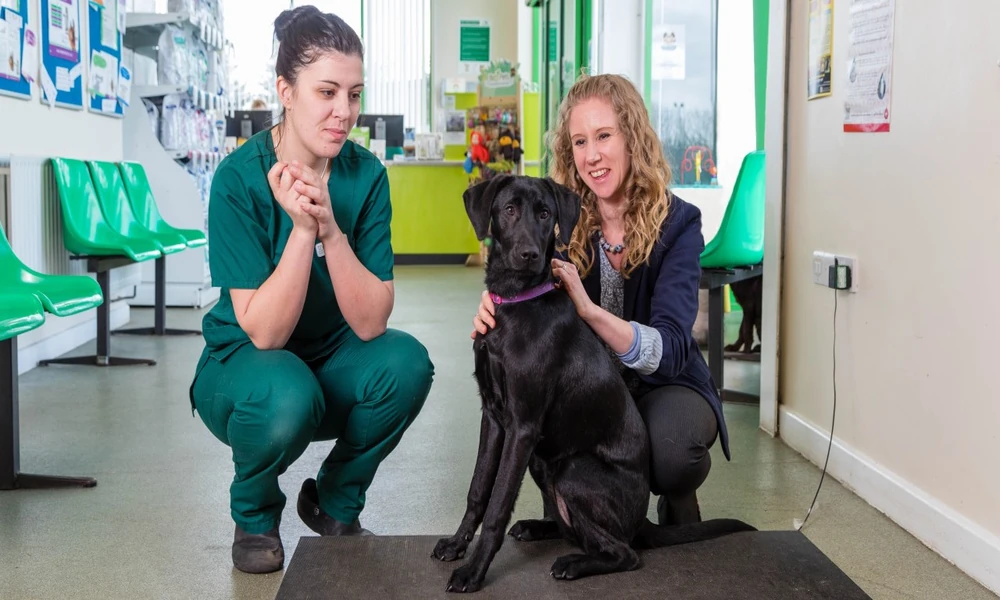
You probably think of a veterinary clinic when your pet is sick, limping, itching, or due for vaccines. That makes sense. Most people see the vet as the place for exams, shots, and urgent concerns, especially if they need a veterinarian in Houston, TX. What gets missed is how many clinics offer support that can save you time, money, and a lot of stress before a problem turns into a crisis.
If you have ever felt caught off guard by a travel rule, a behavior issue, or a hard decision about your pet’s comfort, you are not alone. Pet care has become more complex, and many owners are doing their best with partial information. The short version is simple. Many clinics do far more than basic checkups. They often help with travel paperwork, behavior support, nutritional counseling, and end of life planning.
Veterinary clinics often handle travel certificates and health documents
Travel with pets sounds simple until you start reading airline rules, state requirements, or international entry laws. Then it gets stressful fast. One missing vaccine date or one form signed too early can derail the whole trip. That is where a veterinary clinic can step in with practical help.
Many clinics provide health certificates, vaccine verification, microchip checks, and guidance on timing. If you are traveling abroad, the process may involve strict deadlines and country specific rules. The USDA pet travel process overview shows how detailed those steps can be. A clinic that offers travel services can help you line up exams, lab work, and paperwork in the right order so you are not scrambling the night before departure.
This is one of those vet clinic services people usually find out about only when they are already under pressure. If your trip includes a move, a family emergency, or a military relocation, that pressure gets even heavier. Getting guidance early can prevent expensive rebooking fees and avoid the risk of your pet being denied boarding or entry.
Vet clinics may offer behavior support before problems get worse
A dog that growls when touched, a cat that stops using the litter box, or a puppy that cannot settle is not just “acting out.” Behavior issues often have a medical piece, an emotional piece, or both. Owners tend to blame themselves first. They worry they missed something, trained the wrong way, or waited too long. That shame keeps a lot of people from asking for help.
Many veterinary clinics offer behavior consultations or can connect you with behavior focused care. Some start by ruling out pain, digestive issues, hormone changes, or neurological problems that can look like training failures. Others help with anxiety, compulsive behaviors, fear around strangers, and household conflict between pets. Cornell’s overview of veterinary behavior services gives a good sense of how broad this support can be.
This matters because behavior problems rarely stay in one lane. A stressed pet can become harder to groom, harder to medicate, and harder to leave alone. Families start adjusting their whole day around one issue. Good support can improve safety, protect the bond you have with your pet, and reduce the chance of surrender when the situation feels unmanageable.
Pet nutrition counseling at a veterinary clinic can address more than weight
Many owners assume pet food advice starts and ends with “feed less” or “switch brands.” In reality, nutrition counseling can be much more specific. A veterinary clinic may help manage food allergies, kidney disease, diabetes, digestive trouble, joint strain, and unhealthy weight gain or loss.
This becomes especially useful when your pet seems fine at home but subtle changes are building. Maybe your senior dog is slowing down and you are not sure if it is age, pain, or extra weight. Maybe your cat is begging constantly but still losing muscle. Maybe you have tried three foods and the vomiting keeps coming back. These are not small frustrations. They affect comfort, energy, and long term health.
Among the lesser known services animal hospitals provide, nutrition support often saves owners from months of trial and error. It can also cut costs over time by reducing flare ups, unnecessary supplements, and repeated visits for the same unresolved issue.
Veterinary clinics can help with quality of life and end of life planning
This is one of the hardest parts of loving a pet. You may be noticing your pet still has good moments, but the bad ones are lasting longer. They slip on the floor, stop finishing meals, pace at night, or seem tired in a way that feels different. You do not want to overreact, and you do not want to wait too long either.
Many clinics offer quality of life assessments, pain management plans, hospice style support, and guidance around euthanasia. That support matters because these choices rarely feel clear when you are in the middle of them. You need a calm medical view, not guesswork and guilt.
A good clinic can help you track changes, adjust medications, and understand what comfort looks like for your pet now. This side of veterinary clinic care is deeply practical and deeply human. It gives you a way to make decisions with more clarity and less fear.
Comparing common at home approaches with veterinary clinic support
| Need | Common at home approach | Risk of doing it alone | How a clinic helps |
|---|---|---|---|
| Pet travel paperwork | Reading airline or country rules yourself | Missed deadlines, invalid forms, denied travel | Coordinates exams, vaccines, timing, and documents |
| Behavior problems | Trying online training tips | Missing pain or illness, worsening fear or aggression | Checks for medical causes and builds a treatment plan |
| Nutrition concerns | Switching foods based on reviews | Unbalanced diet, ongoing stomach or weight issues | Recommends diets based on age, condition, and lab findings |
| Quality of life decisions | Watching and waiting without a plan | Unclear pain levels, delayed comfort care | Uses exams and symptom tracking to guide next steps |
Three steps you can take right away
Ask for a full list of services. When you call or visit, ask what the clinic provides beyond routine exams. Many owners never hear about behavior support, travel documents, or nutrition counseling because they do not know to ask.
Write down one problem that keeps coming back. Pick the issue you have been managing on your own, whether it is anxiety, stomach upset, travel stress, or mobility changes. Bring notes, photos, or short videos. Patterns are easier to spot when your vet can see what daily life looks like.
Plan before you are in a rush. Travel forms, diet changes, and quality of life decisions all go better when you start early. A little lead time gives the clinic room to schedule exams, review records, and help you avoid last minute mistakes.
More support may be closer than you think
Most pet owners are carrying more than they admit. You are tracking symptoms, trying to make smart choices, and hoping you do not miss something that matters. Knowing about these pet clinic services can take some of that weight off. Your clinic may be able to help in ways you have not used yet, and that support can make daily life easier for both you and your pet.
Reach out to a local veterinary clinic and ask what options are available for your pet’s needs.