
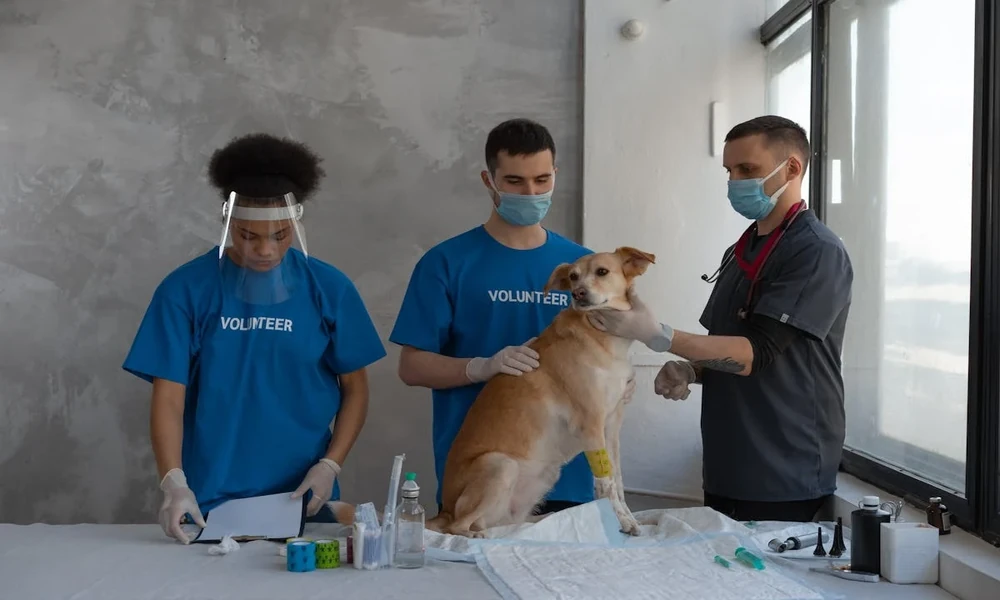
You can feel when an animal hospital is stretched too thin. Phones ring longer. Technicians move faster than they should. Doctors carry the weight of medicine, client emotion, and hard decisions, often in the same ten minutes. If you run or manage a hospital, you already know the problem is not just hiring. It is building a team structure that protects patient care, supports staff, and keeps the business stable enough to keep going, whether you lead an AAHA-accredited veterinary hospital in Ann Arbor or a growing practice elsewhere.
That tension sits at the center of The Business Of Compassion: Staffing Models In Veterinary Animal Hospitals. Compassion is the mission, but labor is the system that makes the mission possible. When staffing is off, every part of the day gets harder. Appointments back up, mistakes become more likely, burnout rises, and clients feel the strain even when your team is doing its best. The short version is simple. A sound staffing model gives your animal hospital room to care well, grow carefully, and keep good people.
Veterinary staffing models shape patient care and team stability
Most hospitals do not struggle because people do not care. They struggle because caring people are asked to work inside a model that no longer fits the caseload. A small practice may have started with one veterinarian, a few support staff members, and a schedule built around routine wellness visits. Then urgent cases increased, surgery volume grew, and client expectations changed. The staffing plan stayed the same, even though the work did not.
That mismatch creates quiet damage. A doctor spends time on tasks a trained technician could handle. Reception carries emotional calls without enough backup. Kennel staff members are expected to notice subtle medical changes while turning over rooms and managing discharge flow. You may tell yourself the team is pushing through, but pushing through is not a staffing strategy.
Animal hospitals also face risks that make role clarity more than an efficiency issue. Veterinary teams deal with sharps, anesthetic gases, radiation, lifting injuries, zoonotic disease exposure, and stress related to euthanasia and trauma. The CDC overview of veterinary workplace hazards makes it plain that staffing affects safety as much as productivity. Too few people on shift can turn routine hazards into preventable injuries.
There is also the financial side, and this is where many owners feel cornered. Labor is often one of the largest costs in an animal hospital. Adding staff can feel risky when revenue is uneven. Not adding staff can cost more in the long run through turnover, missed charges, lower appointment capacity, and doctor fatigue. If one veterinarian leaves because the load became unsustainable, the replacement cost is far greater than the cost of earlier support.
Animal hospital staffing works best when roles match the real workload
The strongest veterinary hospital staffing models are not built around guesswork or habit. They are built around what actually happens in a day. How many technician appointments can be shifted away from doctors? How much time is spent on callbacks, estimates, and discharge education? Which hours create bottlenecks at the front desk? Where does surgery prep stall because one team member is covering three jobs at once?
A common mistake is treating every support role as interchangeable. They are not. Credentialed technicians, assistants, client service representatives, kennel attendants, inventory staff, and practice managers each protect a different part of the hospital. When hospitals blur those lines too much, wages go to the wrong tasks and licensed skill is underused. That hurts margins and morale at the same time.
The American Veterinary Medical Association has long emphasized the need for thoughtful practice structure and delegation in veterinary operations. The AVMA guide to veterinary practice management topics is useful because it frames staffing as an operating system, not a last minute scramble. That shift matters. A hospital that staffs by design usually communicates better, schedules better, and retains people longer.
What does this look like in practice? A general practice with one doctor may need cross trained front desk support and one strong technician who can keep rooms moving, handle client education, and support procedures. A multi doctor hospital with surgery, urgent care, and boarding needs a more layered model, often with lead roles, shift coverage planning, and clear handoff systems. The answer is not always more people. It is often better deployment of the people you already have, followed by targeted hiring where the pressure is real.
Comparing common staffing approaches in veterinary practice management
| Staffing Approach | Short Term Benefit | Long Term Risk | Best Use Case |
|---|---|---|---|
| Lean team with broad cross training | Lower payroll, flexible coverage | Burnout, role confusion, reduced quality during peak demand | Low volume hospitals with predictable caseloads |
| Doctor heavy model | Strong medical oversight | Doctors doing non doctor tasks, lower revenue efficiency | Startups or hospitals rebuilding after turnover |
| Technician centered model | Better delegation, higher doctor capacity, smoother workflow | Requires training investment and clear protocols | Growing practices with steady appointment demand |
| Layered team with leads and support tiers | Clear accountability, stronger retention, better shift flow | Higher payroll complexity, management demands increase | Multi doctor hospitals and mixed service practices |
| Relief and part time support model | Fast coverage for gaps and seasonal volume | Inconsistent culture, training gaps, scheduling friction | Hospitals with fluctuating caseloads or leave coverage needs |
Veterinary practice staffing usually improves when hospitals stop measuring labor only as a percentage and start measuring it against throughput, safety, and retention. A team that supports one more appointment slot per doctor, prevents one resignation, or cuts discharge delays each evening may be paying for itself in ways the payroll line alone does not show.
Three steps to build a stronger animal hospital staffing plan
Track where time is really going. For two weeks, log how doctors, technicians, and front desk staff spend their hours. Do not rely on memory. Measure callbacks, room turnover, surgery prep, pharmacy time, and client communication. Patterns show up fast, and those patterns tell you whether the problem is headcount, scheduling, or delegation.
Redesign roles before posting jobs. If you hire without clarifying duties, you bring a new person into an old problem. Write down what each role owns, what can be delegated, and what requires escalation. This is where many animal hospital teams find hidden capacity.
Build around retention, not just recruitment. Exit interviews, stay interviews, training paths, and safer scheduling matter. People stay where expectations are clear and support feels real. If your hospital runs on heroic effort every day, staffing gaps will keep reopening.
Compassion needs structure to last
No one opens an animal hospital because they love spreadsheets more than animals. Still, the business side is what protects the care side. The right staffing model gives your team a fair chance to do good work without running on fumes. It gives clients more trust, patients more consistency, and your hospital more stability. If you are reviewing your current team structure, start there and make the next staffing decision with intention.