
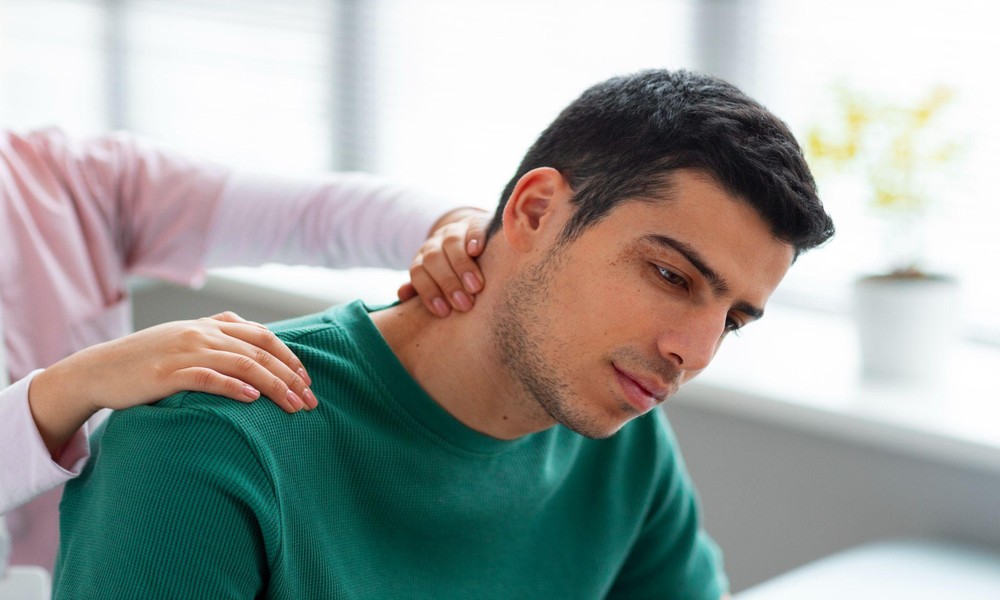
Key Highlights
- Screen habits can affect neck flexibility and movement comfort.
- Sitting posture may contribute to ongoing neck stiffness during daily tasks.
- Repetitive routines sometimes increase strain around the neck and shoulders.
- Physiotherapy sessions can improve mobility through guided movement training.
Introduction
Neck discomfort sometimes develops gradually through repetitive daily routines, poor movement habits, and long periods of physical inactivity. Stiffness and tension may affect work tasks, sleep quality, driving, and movement during regular activities. Chronic discomfort can also spread into the shoulders and upper back, creating additional movement limitations over time.
Those seeking ways to improve flexibility, reduce stiffness, and move more comfortably during their daily routines frequently turn to physiotherapy for neck pain in Singapore. Furthermore, rehabilitation programmes centered around physiotherapy for chronic neck pain commonly emphasise posture awareness, movement retraining, and flexibility exercises linked to everyday activities. Small lifestyle habits can influence movement quality significantly during recovery.
Long Hours of Screen Use
Phones, laptops, and desktop monitors frequently encourage a forward head position during work and leisure activities. Spending extended periods looking downward or leaning towards screens places additional strain on the cervical spine and upper shoulders. Discomfort linked to desk routines, gaming, and mobile phone use is a primary focus within physiotherapy for chronic neck pain.
Professionals usually evaluate posture habits and mobility before introducing targeted exercises to improve flexibility and reduce stiffness gradually. Workstation adjustments and scheduled breaks are also highly recommended when undergoing physiotherapy for neck pain in Singapore. Small changes to monitor height, sitting posture, and activity pacing can significantly influence daily comfort, contributing to smoother mobility over time.
Poor Sitting and Sleeping Positions
Extended sitting periods sometimes contribute to cervical stiffness, especially when posture remains unchanged for hours. Slouching, leaning forward, or resting without proper upper body support increases tension across the shoulders and upper back. Effective physiotherapy for neck pain in Singapore frequently provides specific advice linked to both sitting habits and overnight recovery.
Pillow height, mattress firmness, and sleeping posture directly influence cervical comfort, as poor positioning often leads to stiffness that continues into the following morning. To combat this, regular movement and gentle stretching exercises are core components of physiotherapy for chronic neck pain. Consistent mobility drills help improve flexibility, creating opportunities for better comfort during everyday tasks.
Repetitive Movement Patterns
Certain work tasks and recreational activities require repeated head positioning. Driving, carrying heavy bags unevenly, reading for long periods, or repetitive lifting can heavily fatigue sensitive areas, often necessitating intervention through chronic neck pain physiotherapy.
Therapists assess these habits carefully before recommending biomechanical adjustments tailored to specific work routines and physical demands. Movement retraining exercises designed to correct these patterns are a staple of neck pain physiotherapy in Singapore. Because upper body mechanics closely influence cervical function, rehabilitation plans also emphasise shoulder strengthening and flexibility. Improved coordination reduces unnecessary strain during repeated activities, with programs adjusted gradually according to individual goals and physical tolerance.
Limited Physical Movement Throughout the Day
Long periods of inactivity sometimes contribute to tight muscles and reduced flexibility around the upper spine. Sedentary routines can increase stiffness during simple actions like turning the head, reversing vehicles, or looking upward. To address this lack of mobility, physiotherapy for chronic neck pain commonly encourages movement consistency rather than prolonged rest.
Controlled activity helps maintain flexibility while steadily building physical confidence. Walking, stretching, and mindful posture changes help alleviate the muscular tightness linked to inactivity. These regular, gentle mobility routines reinforce the improvements developed during clinical sessions, which is why they are highly encouraged by specialists providing physiotherapy for neck pain in Singapore.
Conclusion
Daily routines can influence neck flexibility, posture, and movement comfort significantly over time. Rehabilitation programmes help patients improve mobility through posture adjustments, stretching exercises, and movement retraining linked to everyday activities and recovery goals.
Contact The Movement Laboratory to explore physiotherapy programmes designed for chronic neck pain recovery and mobility improvement.