
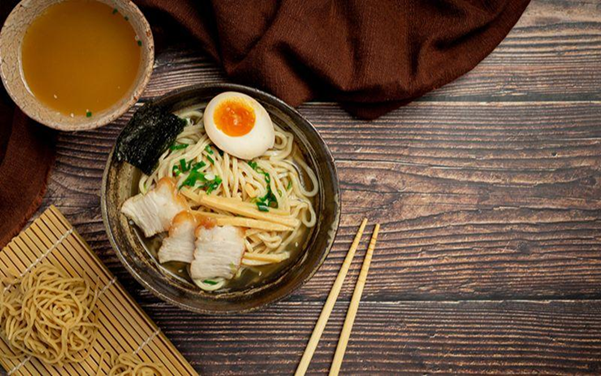
Many Singapore diners choose Japanese comfort food when they want meals that feel warm, soothing, and uncomplicated. The cuisine features gentle flavours, balanced textures, and homestyle cooking that focuses on harmony. While Japanese dishes can be refined, comfort meals highlight nourishment and calmness. These qualities make the cuisine a dependable choice for casual lunches, late dinners, or quiet moments after long hours. Understanding why Japanese comfort food resonates with diners helps explain its lasting appeal.
1. Gentle Flavours That Offer Steady Warmth
One of the key reasons people enjoy Japanese comfort food is its subtle seasoning. Many dishes use mild broths, light sauces, and natural sweetness from ingredients such as onions, tofu, and vegetables. Miso soup, oyakodon, and simple ramen bowls provide warmth without overwhelming the palate. These flavours help diners unwind while still feeling nourished.
This balanced approach supports people who want meals that feel calming rather than stimulating. Families appreciate it because the flavours work well across different age groups. The gentle notes of umami come through clearly, creating comfort in every spoonful or bite.
2. Textures That Encourage Relaxation
Texture plays an important role in Japanese comfort food. Soft noodles, warm rice, silky steamed egg, and tender vegetables create dishes that feel grounding. These textures make meals easier to enjoy, especially on days when diners want something that soothes rather than challenges the senses.
Homestyle dishes such as chawanmushi, tamagoyaki, and zōsui show how texture shapes comfort. The focus on warmth and softness encourages slow, mindful eating. This sense of ease helps people choose Japanese comfort food during quiet evenings or when they need something reassuring.
3. Homestyle Cooking Rooted In Balance
Japanese comfort food comes from a long tradition of simple home cooking. Many dishes combine protein, vegetables, and rice in ways that feel balanced and nourishing. Simmering, steaming, and slow cooking remain central to the cuisine, creating clear flavours that leave diners feeling steady and restored.
Meals such as curry rice, nikujaga, and oden highlight this homely approach. Each dish builds flavour gradually, offering warmth without heaviness. Singapore diners embrace these meals because they provide a break from richer or spicier food while still feeling complete.
4. Meals That Encourage Emotional Ease
Japanese comfort food supports emotional comfort as much as physical nourishment. Familiar dishes such as salmon rice bowls, tofu stews, and simple noodle soups create routines that many people rely on during stressful moments. The warmth and consistency of these dishes offer stability through flavour and texture.
This emotional connection explains why Japanese comfort food fits late nights, quiet dinners, or steady weekend meals. Diners appreciate how these dishes create a sense of calm without relying on intense spice or rich sauces. The cuisine acts as a gentle anchor during busy weeks.
5. Versatile Options For Different Moods And Needs
Another element that enhances the appeal of Japanese comfort food is its versatility. Some days call for light dishes such as miso soup or tofu bowls, while others require heavier meals such as katsudon or curry. The cuisine offers a wide range of comforting options without losing its sense of balance.
This adaptability helps diners choose meals based on their mood or energy level. The presence of broths, rice dishes, simmered stews, or warm noodles ensures that comfort remains accessible regardless of preference. This variety strengthens the cuisine’s place in Singapore’s dining scene.
6. Familiar Routines That Fit Modern Lifestyles
Japanese comfort food aligns well with the pace of modern life. Many dishes are easy to enjoy during quick lunches or relaxed dinners. Bowls of ramen, donburi, or udon offer convenience without feeling rushed or overly processed. These meals provide warmth and predictability, which many people seek at the end of demanding days.
This connection between ease and nourishment makes Japanese comfort food suitable for both solo meals and shared dining. Its steady presence in Singapore reflects how well it fits daily routines and changing schedules.
Conclusion
Japanese comfort food remains popular because it blends gentle flavours, soothing textures, homestyle cooking, and emotional reassurance. Its versatility and familiarity help diners choose meals that match their mood, offering calmness and warmth across different situations. This combination ensures that Japanese comfort food continues to hold a meaningful place in Singapore’s diverse culinary landscape.
Visit Taste of SG to learn more about Japanese comfort cuisine and where to eat it in Singapore.
