


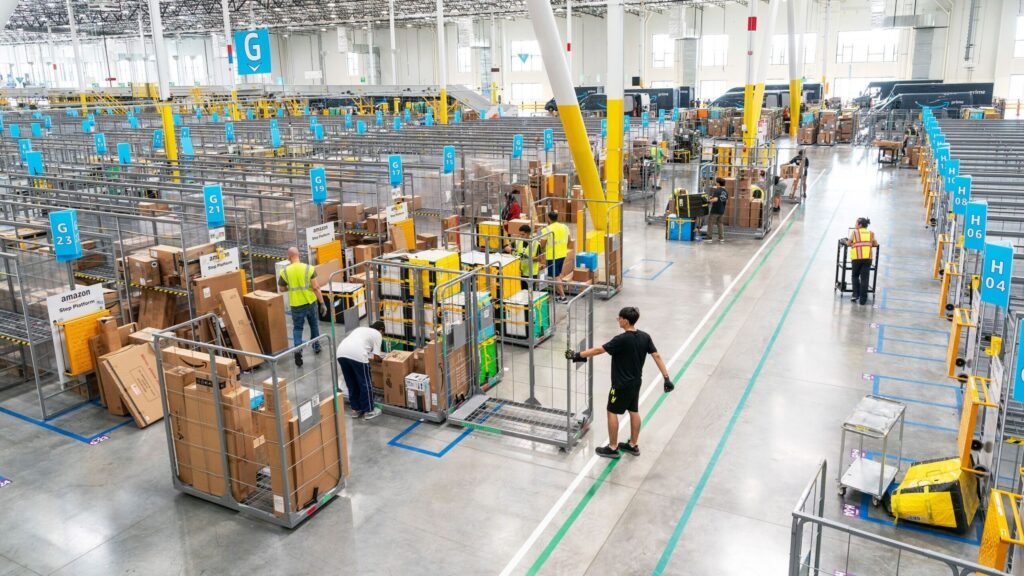
Most people experience the end result. A parcel arrives. It’s the right product. It’s in good condition. It arrives within the expected window. All simple enough. But in reality, a surprisingly complicated sequence of decisions, systems, and moving parts operates behind that 30-second window to ensure it works. And for the most part, that’s how it should be. When retail fulfillment is running right, it’s invisible.
Until it’s not.
Increasingly, consumers are feeling the backlash of errors that make retail fulfillment very visible in a negative sense. Incorrect items. Delayed delivery windows. Damaged packaging, no updates on tracking, these are minor inconveniences at best. But at worst, they’re sidelining consumers to competitors who can get it right and keeping those consumers there.
The Infrastructure No One Sees
This is where the real work gets done, ideally long before a pick ever gets pulled off a shelf. Your average layperson isn’t privy to inventory management systems that track stocks in real time or warehouse arrangements that supplement the most logical travel distances.
Companies that take retail fulfillment seriously invest significantly in this layer of the process that no one ever sees. Think barcode scanning at all times of distribution and sophisticated organized slotting that keeps fast-moving inventory in the most accessible locations plus inclusionary quality checks during the packing process instead of an add-on after the fact.
It’s easy to say it in one sentence: everything is organized for maximum efficiency; time and effort are reduced for the customer. But maintaining this type of visible but unexperienceable infrastructure over thousands of orders every day is much easier said than done. This is where most companies fall apart during growth.
Picking and Packing: It’s Not Just Someone With a Box
Following closely behind are the minimal thoughts surrounding the picking and packing components of an effective retail fulfillment operation. It’s not just a person walking through a warehouse and grabbing things.
Good fulfillment operations are disciplined enough to apply systematic processes to ensure whatever is picked is intended, packed appropriately for transport, and labelled accurately before it ever sees a courier.
Packing materials are more than most people realize. It’s not just enough to protect the product; it’s also important to mitigate dimensional weight to increase or decrease shipping prices; deter waste to promote environmental sustainability, and create something visually appealing when it arrives because whether brands like it or not, unpacking an item is part of the experience.
Finally, speed matters here. The time it takes from fulfillment request to actual leave from the warehouse is highly applied to the delivery promise. A company can say its items get delivered in two days, but if it takes internal operations 24 hours just to get into a truck, the promise means nothing.
Accurate Inventory Tracking
One of the most significant headaches for retail operations is overselling-selling too much of something that isn’t available. This is almost always an issue of systems interfacing improperly.
Whether through inadequate integration or limited real-time inventory tracking updates across retail platforms, units get sold at different access points too close to each other. Someone buys the last piece on the website at 12:01 pm while simultaneously reserving the last of a wholesale order via the customer service hotline at 12:00 pm. Fulfillment errors occur that no one planned for.
Good systems boast live inventory reporting that communicates across all access points seamlessly and simultaneously. When a unit is picked for a pick-up order, it’s gone forever from the stock number available for anyone else. No discrepancies, no missed spreadsheet updates at 4 pm; just accurate real-time numbers.
In addition, this visibility increases forecasting benefits as companies can monitor what’s selling too quickly, what’s sitting too often, and where impending stocks might be going before they become a situation of their own down the line. That’s genuinely valuable information for operational and strategic value.
Returns as Part of Fulfillment
Returns rarely get discussed during conversations about fulfillment, yet they’re one piece in this puzzle worth focusing on. How companies handle returns inevitably impact customer satisfaction, order accuracy for future inventory, and ultimately profitability.
A good returns process means products are returned posthaste, evaluated quickly, refilled if applicable to stock, and reintegrated into fulfilled numbers without lapses in time or service. If systems are disheveled or don’t get communicated across platforms effectively, this is when it costs money, returned products stockpiled in limbo processing consume funds while inaccurate inventory numbers mount.
Many people fail to realize this when establishing a larger operating system for returns.
On the customer service side, easy and convenient returns build trust while complicated returns dismantle trust, especially in today’s driven culture around returns expectations, companies who handle returns with operational efficiency have the greater competitive advantage.
Why It’s Important
The brands that grow progressively and maintain customers aren’t always those with top-tier appeal-driven products or greatest attention to marketing funds; often it’s because they boast reliability over appeal.
They get orders out on time; they arrive in pristine condition; returns don’t require red tape; as long as this operated consistently over time through a functioning fulfillment system behind closed doors better than any other part of their company.
Getting fulfillment right doesn’t guarantee ultimate success but getting it wrong makes everything else needlessly complicated. Brands that invest sooner rather than later in the behind-the-scenes functional logistics tend to scale better without falling apart when volume increases.

