


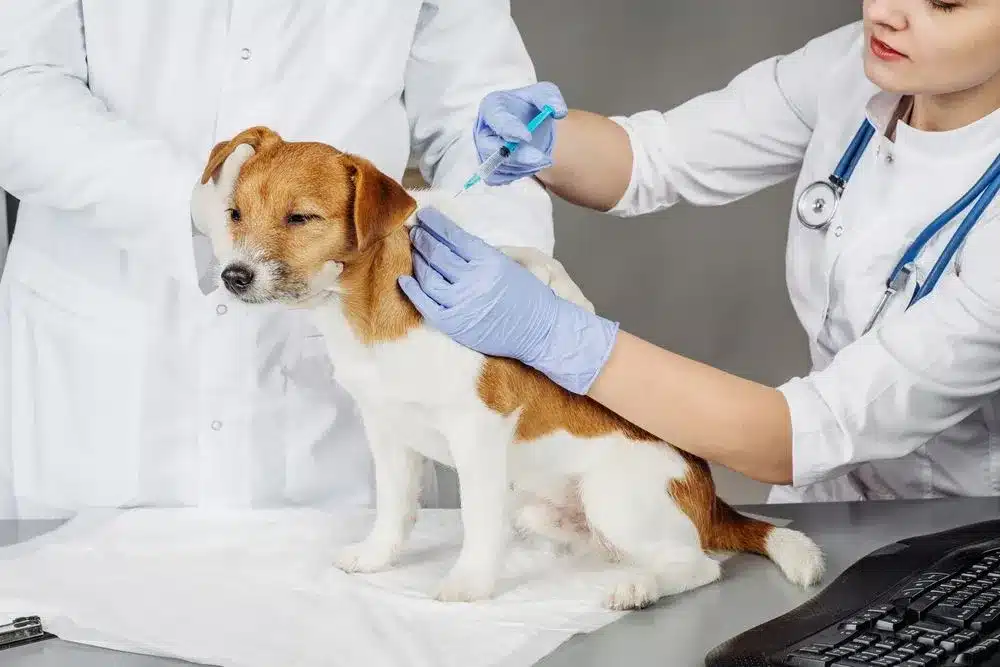
Animal hospitals play a crucial role in keeping your pets healthy and happy. Dental care is a key part of this. You might not realize it, but regular dental check-ups can prevent serious health problems for your pets. A veterinarian in Nederland, TX, can guide you through this. Dental problems often start small. If not treated, they can lead to pain, infection, or even affect your pet’s organs. By focusing on preventive dental care, you help your pet avoid these issues. Animal hospitals offer routine check-ups, cleanings, and advice on daily dental care. They help you spot problems early, ensuring your pet stays comfortable and healthy. They are committed to educating you about what your pet needs. This proactive approach is not just about teeth. It’s about giving your pet a longer, healthier life. You are not alone in this; your local animal hospital is ready to support you in every step.
Understanding Preventive Dental Care
Preventive dental care for pets begins with understanding the basics. Just like humans, pets need regular dental hygiene to prevent plaque buildup and gum disease. You might wonder how often you should take your pet for dental check-ups. Most experts suggest at least once a year. This frequency can vary depending on your pet’s age, breed, and health condition. Regular dental visits allow early detection of potential problems, which can save your pet from pain and reduce costly treatments.
Services Offered by Animal Hospitals
Animal hospitals provide comprehensive dental services to meet your pet’s needs. These services typically include:
- Dental check-ups and examinations
- Professional teeth cleaning
- X-rays for thorough assessment
- Extractions if necessary
- Guidance on home dental care
These services ensure that any dental issues are caught early. Professional cleaning removes tartar and plaque that brushing cannot. X-rays allow veterinarians to see potential problems below the gum line. Dental examinations reveal any signs of disease or damage that need attention.
The Importance of Routine Check-Ups
Routine dental check-ups play a key role in preventive care. During these visits, the veterinarian will assess your pet’s oral health and recommend treatments or adjustments to their care routine. According to the American Veterinary Medical Association, early detection and treatment of dental disease can help extend your pet’s life. Regular check-ups help ensure your pet’s teeth and gums remain healthy in the long term.
Comparing Dental Health in Cats and Dogs
Cats and dogs have different dental care needs. Understanding these differences can help you tailor your pet’s care routine. The table below outlines the differences in dental health between cats and dogs:
| Aspect | Cats | Dogs |
|---|---|---|
| Common Issues | Tooth resorption, gum disease | Gum disease, broken teeth |
| Signs of Problems | Bad breath, drooling, difficulty eating | Bad breath, pawing at mouth, reduced appetite |
| Recommended Check-Ups | Annually or as advised | Annually or as advised |
Home Care Tips for Pet Owners
Implementing home dental care is essential. Brush your pet’s teeth regularly using pet-safe toothpaste and toothbrushes. Dental chews and toys can also help maintain oral health. Providing a balanced diet can further support dental health and prevent plaque buildup. Consistent home care, combined with professional cleanings, creates a comprehensive dental care routine for your pet.
Conclusion: A Partnership for Health
Preventive dental programs are a partnership between you and your veterinarian. With guidance from an animal hospital, you can provide the best possible care for your pet. This cooperation ensures that your pet enjoys a pain-free life with a healthy smile. Contact your local veterinary clinic today and schedule a dental check-up. Your pet will thank you for it!

