
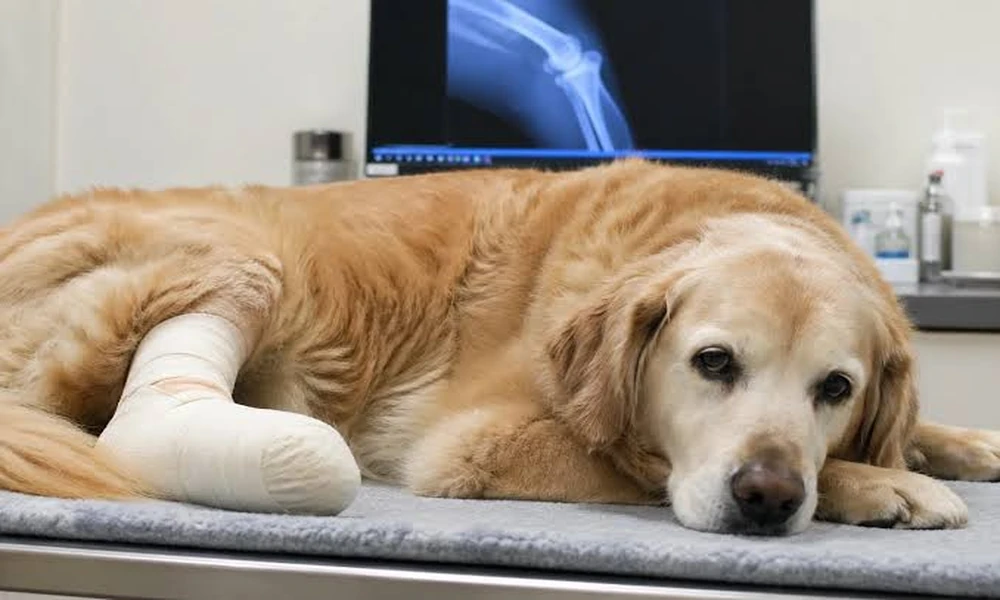
When your pet is hurt, sore after surgery, or suddenly struggling to walk, the days can start to blur together. You are watching for small signs, a steadier step, less pain getting up, a little more interest in food, and every setback feels bigger than it should. That stress is real. Recovery in a veterinary hospital, including care at an animal hospital in Marshall County, AL, is not only about getting through the procedure or stabilizing an illness. It is also about what happens after, when healing needs structure, patience, and skilled support.
The Role Of Rehabilitation Specialists In Veterinary Hospital Based Recovery comes down to one thing. They help pets regain function, reduce pain, and rebuild strength in a safe, measured way. In a hospital setting, that work is closely tied to surgeons, neurologists, internal medicine teams, and primary veterinarians, which means your pet’s recovery plan is not guessed at or copied from another case. It is built around what your animal can do today and what needs to improve next.
Veterinary rehabilitation specialists turn discharge plans into real recovery
A lot of owners assume the hard part ends once the surgery is over or the diagnosis is made. Then they get home and realize recovery is its own full time job. A dog that had orthopedic surgery may need help bearing weight correctly. A cat recovering from trauma may need pain control, range of motion work, and careful activity limits. A senior pet with neurologic disease may need support just to stand, turn, or use the bathroom safely.
This is where veterinary rehabilitation in hospital recovery matters. Rehabilitation specialists are trained to assess movement, pain, balance, strength, and endurance. They use that information to create a plan that can include therapeutic exercise, gait training, manual therapy, underwater treadmill work, laser therapy, and other targeted treatments based on the pet’s condition and tolerance.
In a hospital, that role becomes even more useful because the rehab team is not working in isolation. If swelling increases, if a surgical site becomes a concern, or if a neurologic patient stops progressing, the specialist can coordinate quickly with the rest of the medical team. That saves time, and in recovery, time matters.
Programs at teaching hospitals show how this works in practice. Virginia Tech’s veterinary rehabilitation service outlines treatments used for pets recovering from surgery, neurologic conditions, and chronic mobility problems. Auburn’s physical rehabilitation program highlights how therapy supports pain relief, conditioning, and function. The University of Illinois offers a rehabilitation specialty service that works with pets facing orthopedic and neurologic challenges. Different hospitals may use different tools, but the goal is the same. Help the animal recover better, not just recover eventually.
Hospital based pet rehabilitation supports both medical outcomes and daily life
The medical side is only part of the picture. Recovery affects your home, your schedule, and your confidence. You may be trying to keep an active dog calm, lift a large pet without hurting them or yourself, or figure out whether slow progress is normal. Without guidance, even caring owners can push too much or too little.
A rehabilitation specialist helps narrow that uncertainty. They can show you how to assist with transfers, how much walking is appropriate, what kind of flooring support helps, and which signs suggest pain rather than stubbornness or fear. That changes daily life fast. A pet that learns to move safely is less likely to slip, refuse activity, or reinjure a healing limb.
This is also where cost concerns become more nuanced than they seem at first. Rehab sessions add expense, and that matters. At the same time, poor recovery can lead to longer confinement, repeat visits, pressure sores, muscle loss, and delayed return to function. For some pets, especially after cruciate surgery, spinal injury, or severe trauma, structured rehab may reduce those secondary problems enough to justify the investment.
Home rest and professional rehabilitation do not offer the same support
| Recovery approach | What it usually includes | Main benefit | Main risk |
|---|---|---|---|
| Strict home rest only | Crate rest, medication, brief leash walks, owner observation | Lower upfront cost | Muscle loss, stiffness, poor gait habits, slow return to function |
| Home care with rehab guidance | Veterinary rehab evaluation, home exercises, scheduled rechecks | More structured progress with fewer unnecessary visits | Exercises may be done incorrectly without follow through |
| Hospital based rehabilitation program | Hands on therapy, monitored exercise, pain management support, coordination with specialists | Close supervision for complex orthopedic or neurologic cases | Higher cost and more scheduling demands |
Veterinary physical rehabilitation specialists are especially useful when progress is hard to judge by eye. A pet may look slightly better to you one day and worse the next, but objective measures such as weight bearing, joint motion, muscle condition, and gait quality tell a clearer story. That is one reason animal rehabilitation specialists are often involved in teaching hospitals and referral centers. They track function, not just symptoms.
Small decisions during recovery shape long term mobility
One skipped step rarely causes the problem. It is the pattern that does it. A dog continues limping because the painful side is never fully used. A pet gains weight during inactivity, which adds stress to healing joints. A neurologic patient loses confidence because movement feels unstable and scary. Those issues can stack up quietly, then become much harder to reverse.
Rehabilitation in a veterinary hospital interrupts that pattern early. The specialist can adjust exercises as healing changes, identify when a pet is compensating poorly, and keep the plan realistic for the family. That last part matters more than many people expect. The best recovery plan is not the most ambitious one. It is the one you can actually carry out without burning out.
Three steps you can take right now
Ask for a rehabilitation assessment. If your pet is facing surgery, neurologic disease, arthritis, trauma, or prolonged weakness, ask whether a rehab consult is appropriate. Early planning often works better than waiting until stiffness and muscle loss are already established.
Track function, not just mood. Write down how your pet stands, walks, uses stairs, gets up after rest, and handles bathroom breaks. Short notes or videos help your veterinary team see patterns that are easy to miss day to day.
Set up your home for safe movement. Use non slip rugs, block access to stairs if needed, keep food and water easy to reach, and ask for a clear exercise plan in writing. Good footing and consistent routines protect healing tissues.
Recovery can feel slow because it is slow. That does not mean nothing is working. With the right support, many pets regain comfort, strength, and confidence more steadily than owners expect in those first hard days. If your pet is recovering in a Veterinary Hospital, ask whether rehabilitation services should be part of the plan. The right specialist can make the path forward clearer, safer, and easier to manage for both of you.