
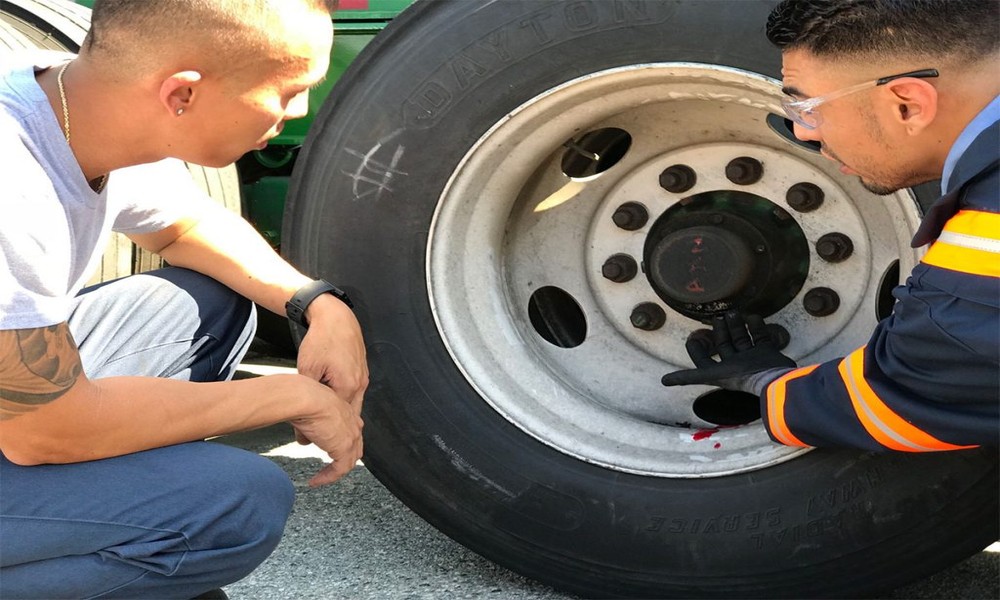
Container chassis support daily cargo movement across ports, warehouses, and road networks. Constant loading, unloading, and transport place significant stress on both structure and components. Over time, wear becomes unavoidable, which makes repair and maintenance a regular part of operations. Proper repair and maintenance practices help maintain safety, stability, and consistent performance.
Frame Repair and Welding Considerations
Structural repair, including precise container chassis repair, requires careful planning before any welding begins. Heat from welding can affect metal strength, so controlled procedures matter. Experienced technicians first assess the extent of damage, then determine whether reinforcement or section replacement is necessary. Grinding away damaged areas prepares the surface for a stronger bond. After welding, alignment checks confirm that the chassis remains straight and stable.
Attention also goes to load distribution. An uneven frame may lead to further stress in other sections. Repair work must restore balance, not just fix visible damage. In operations that rely on flatbed chassis, maintaining structural integrity supports safe cargo handling and prevents long-term issues.
Component Maintenance and Replacement
Beyond the frame, several components require regular care. Suspension systems absorb shock from uneven roads. Worn bushings or damaged springs can affect stability. Brake systems also demand consistent monitoring. Reduced braking efficiency increases risk during transport, especially under full load.
Lighting and electrical connections often face exposure to moisture and debris. Corrosion may interrupt signals, which affects road safety and compliance. Routine cleaning and timely replacement keep these systems reliable. Operators who manage shipping container trailers often schedule inspections based on mileage and load cycles rather than waiting for visible faults.
Preventive Maintenance Approach
A structured maintenance plan reduces unexpected downtime. Regular lubrication protects moving parts from excessive wear. Torque checks on bolts and fasteners help maintain structural security. Documentation of past repairs also supports better decision-making over time.
Preventive care supports consistent performance and extends chassis lifespan. Instead of reacting to failures, operators stay ahead through planned inspections and timely repairs. That approach keeps chassis systems dependable under demanding conditions.